

IEEE Central European AI Summit 2026 – Budapest, Hungary
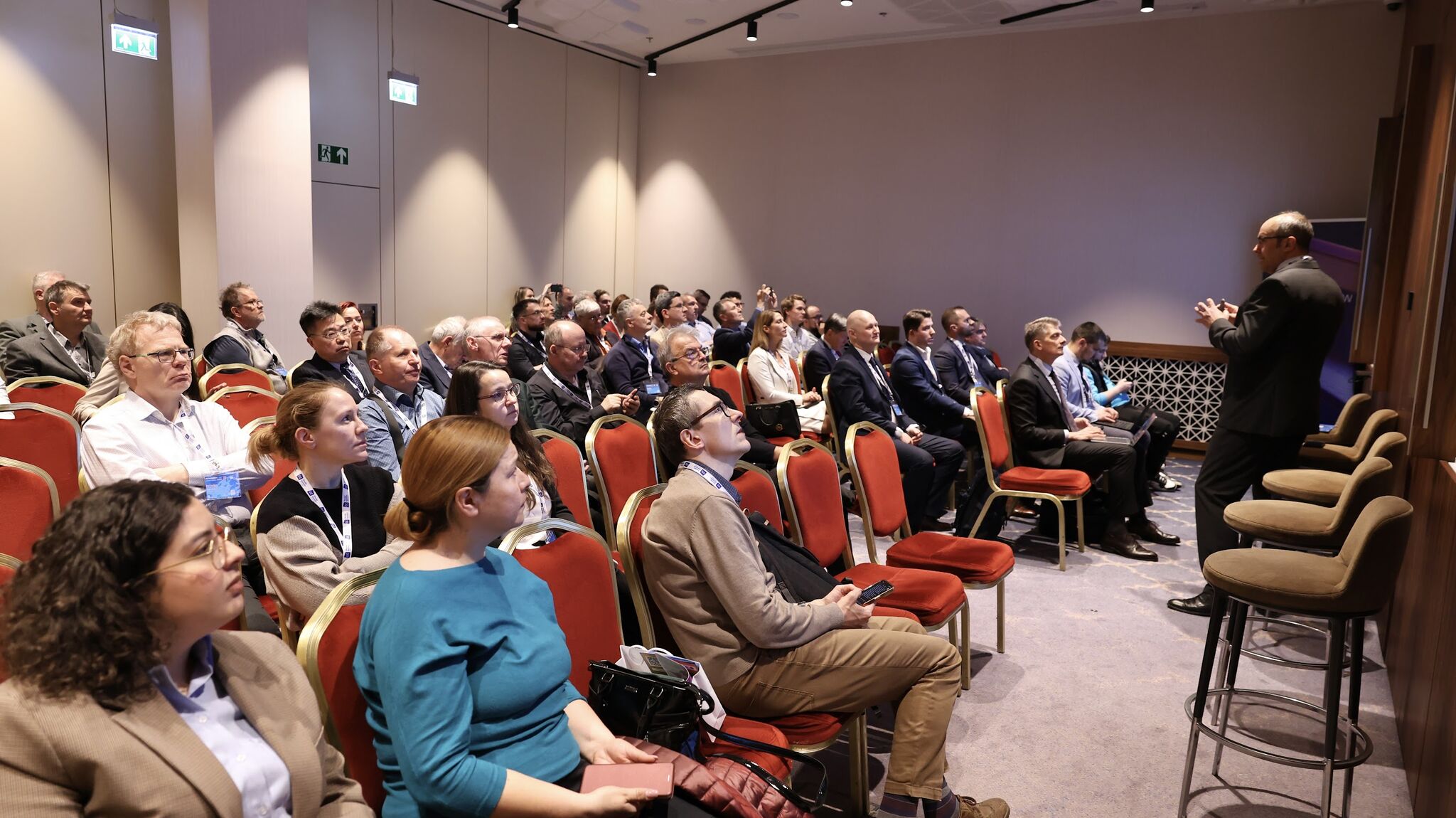
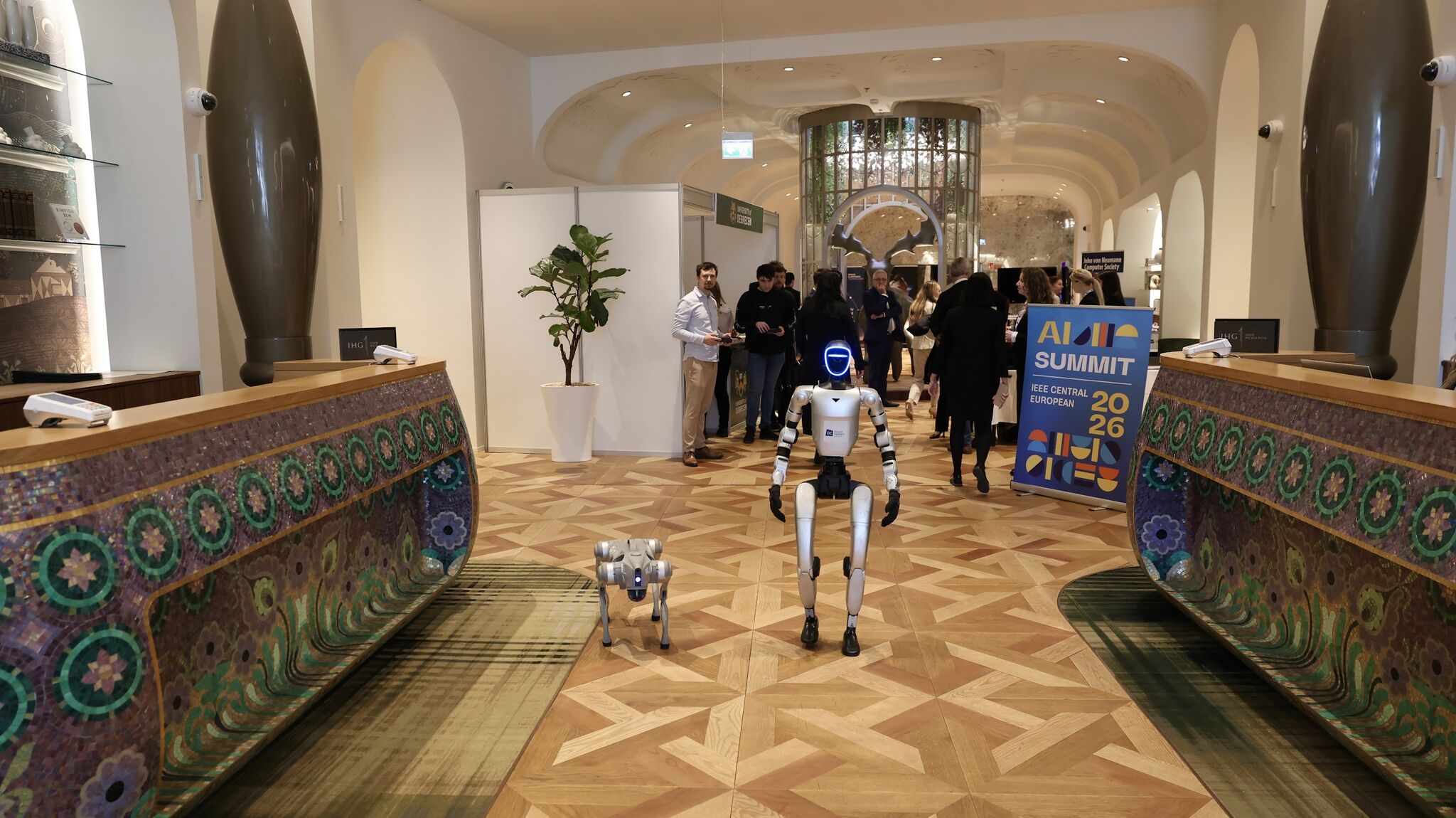
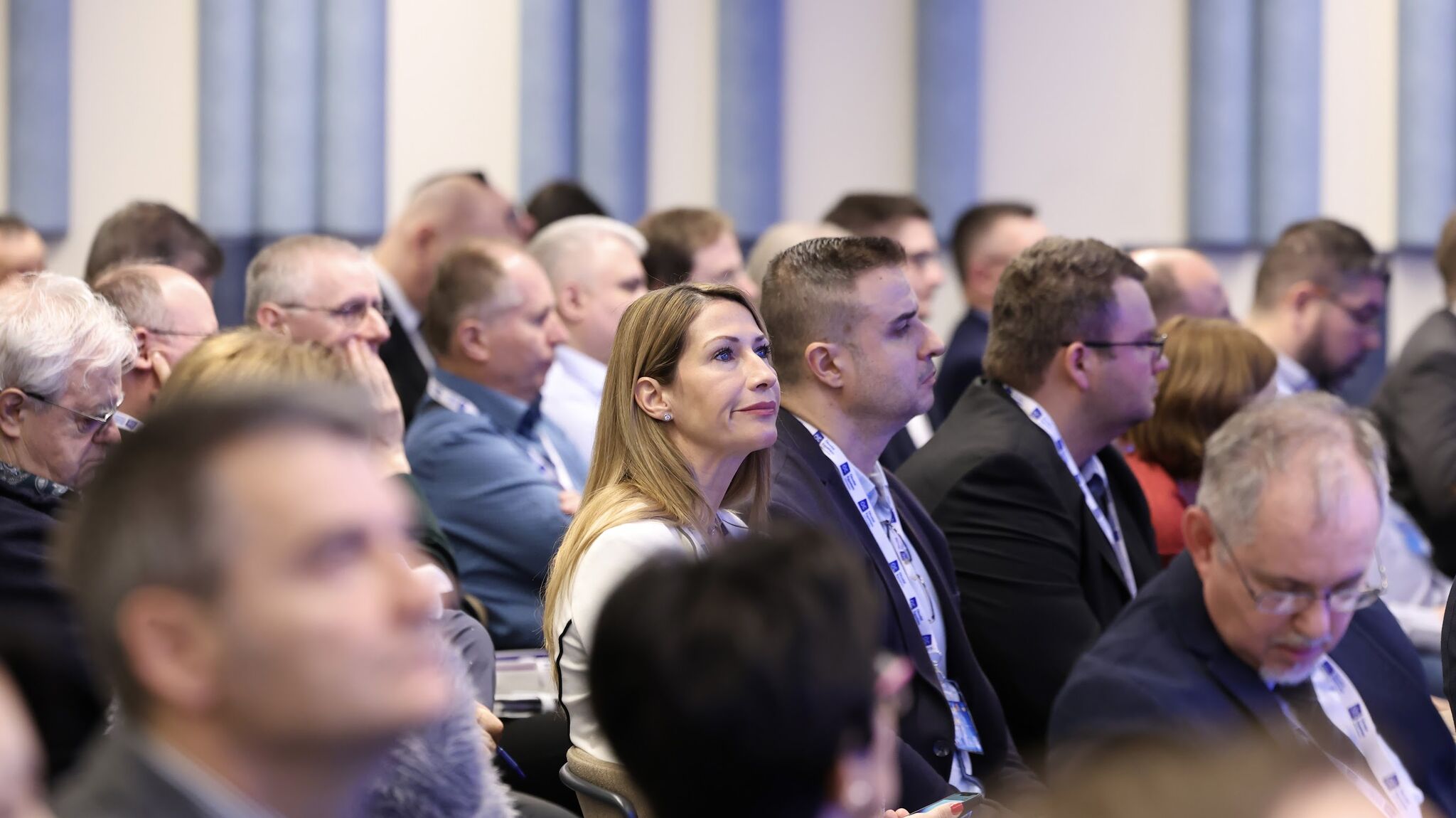
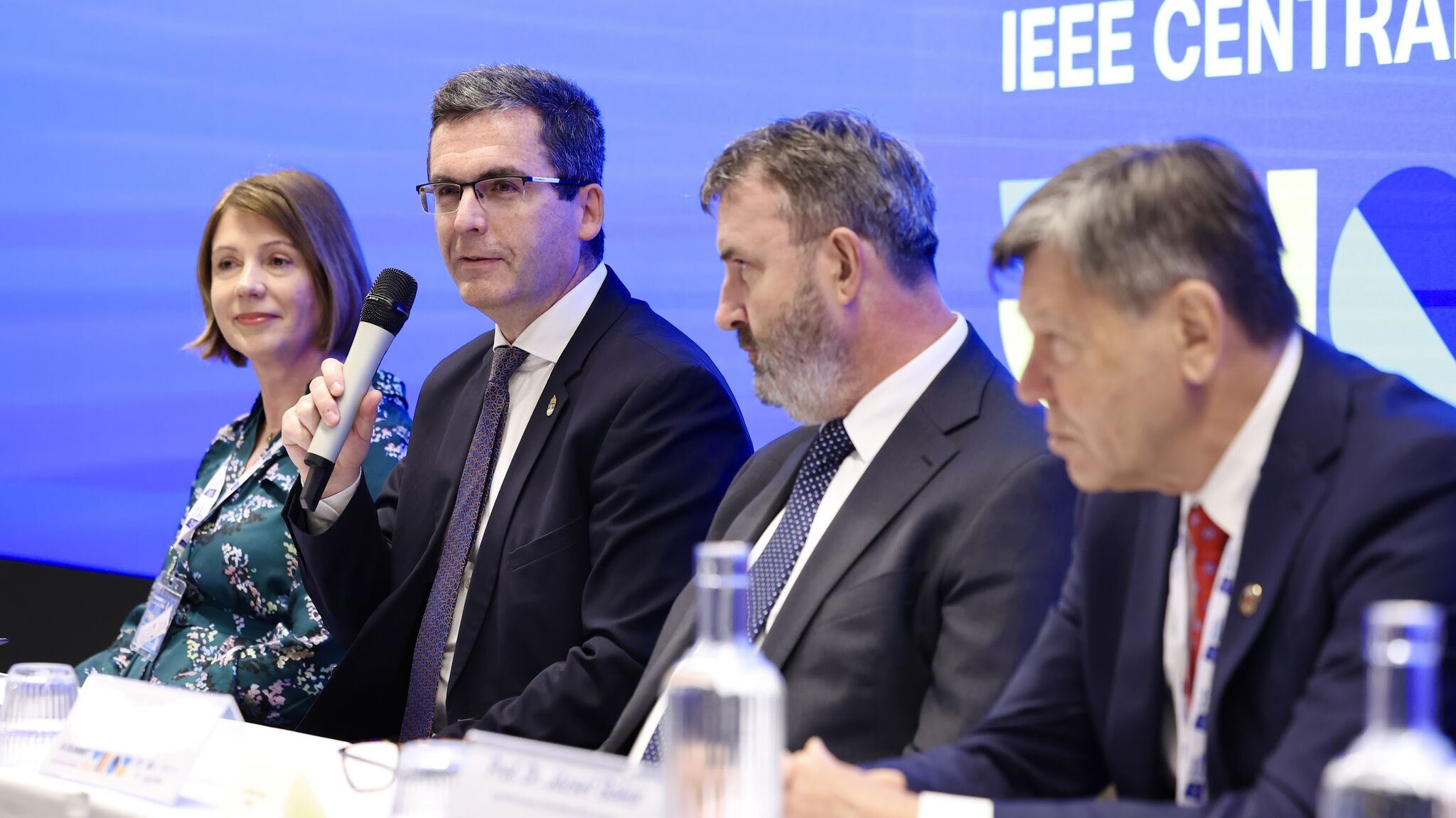
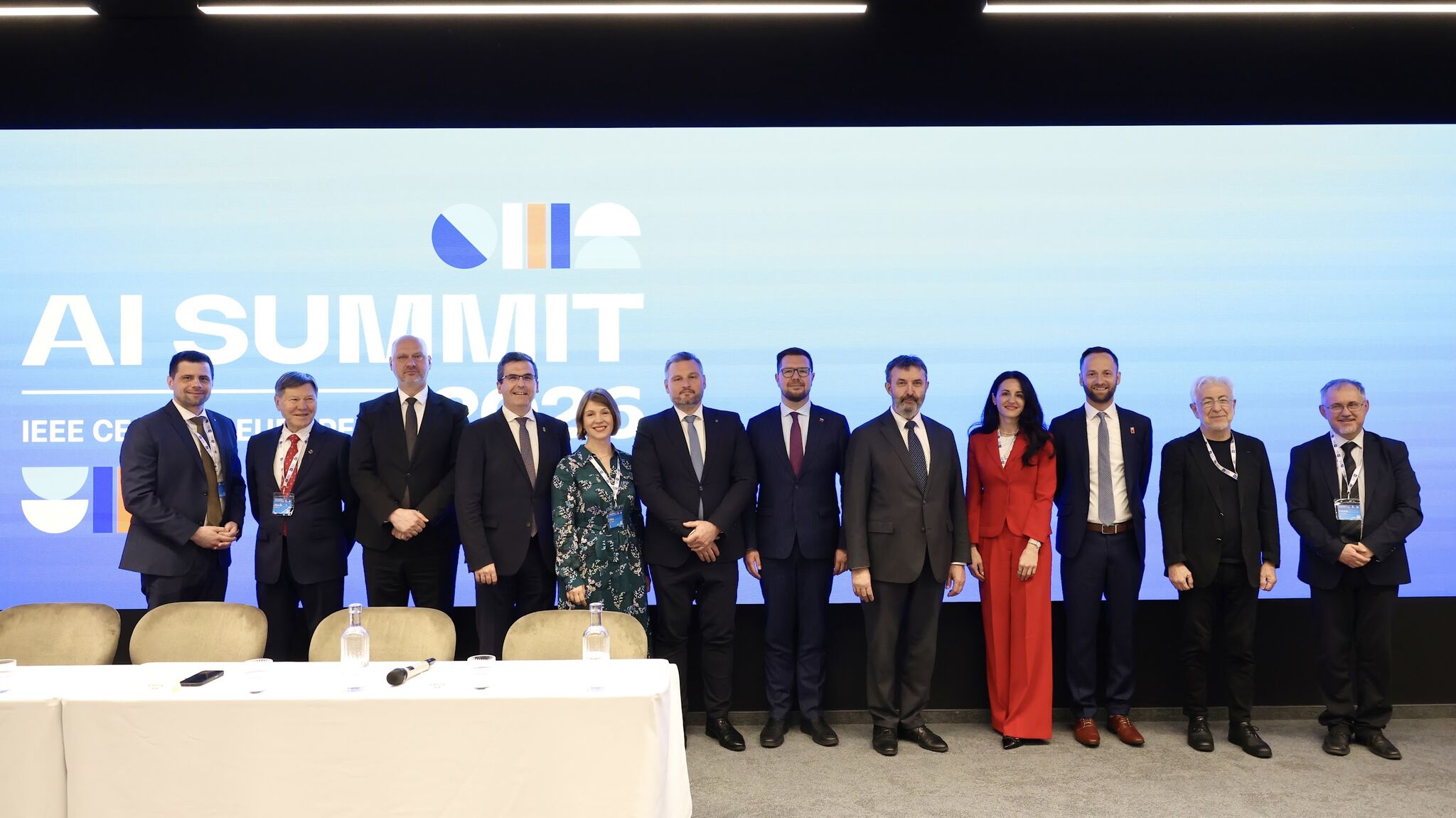
The IEEE Central European AI Summit 2026 was held between March 19–21, 2026, serving as a significant platform for the exchange of ideas and expertise between AI researchers, professionals, and policy makers from across the region and beyond.
Day 1: March 19, 2026 – Foundations and Future Visions
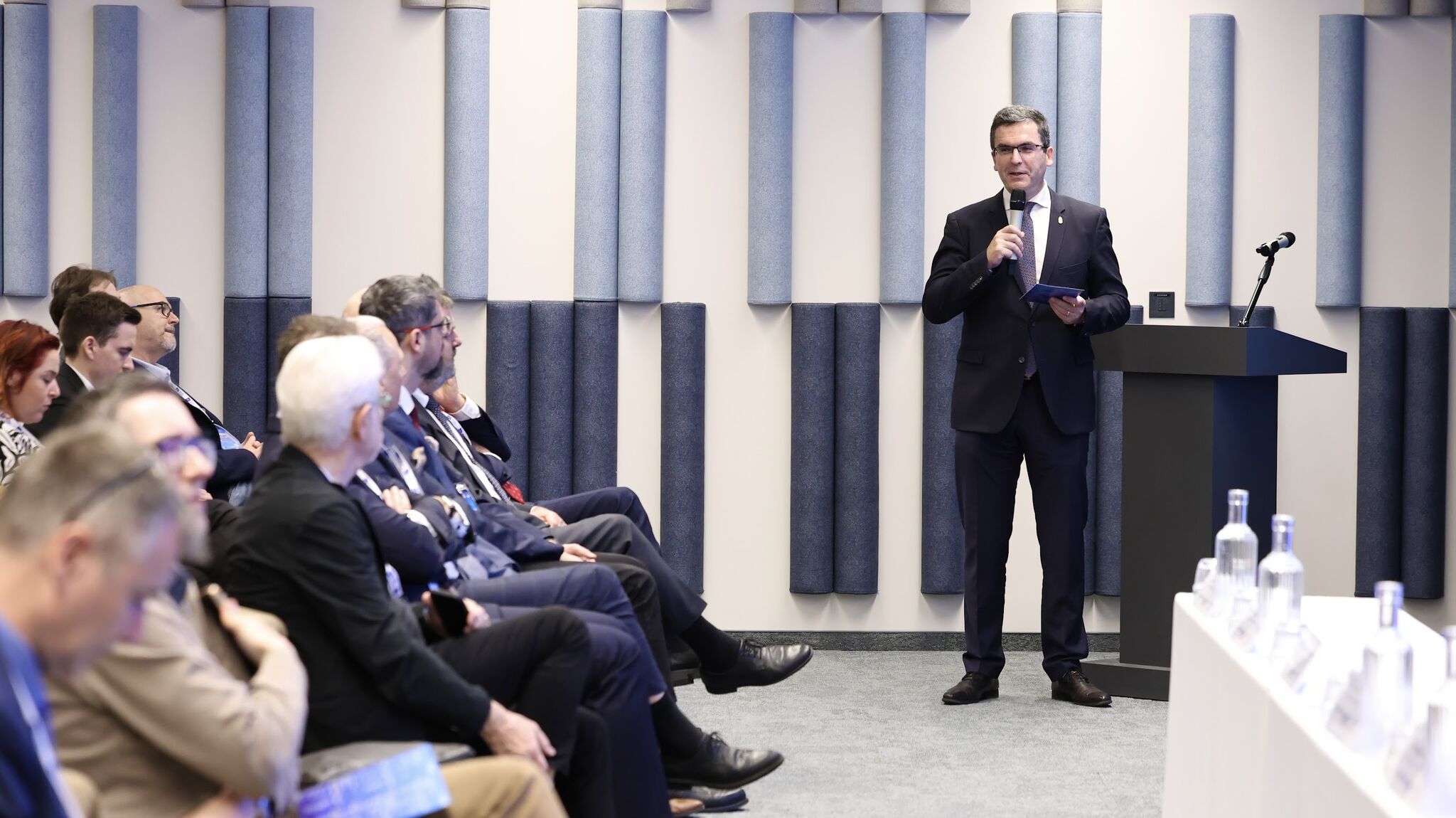
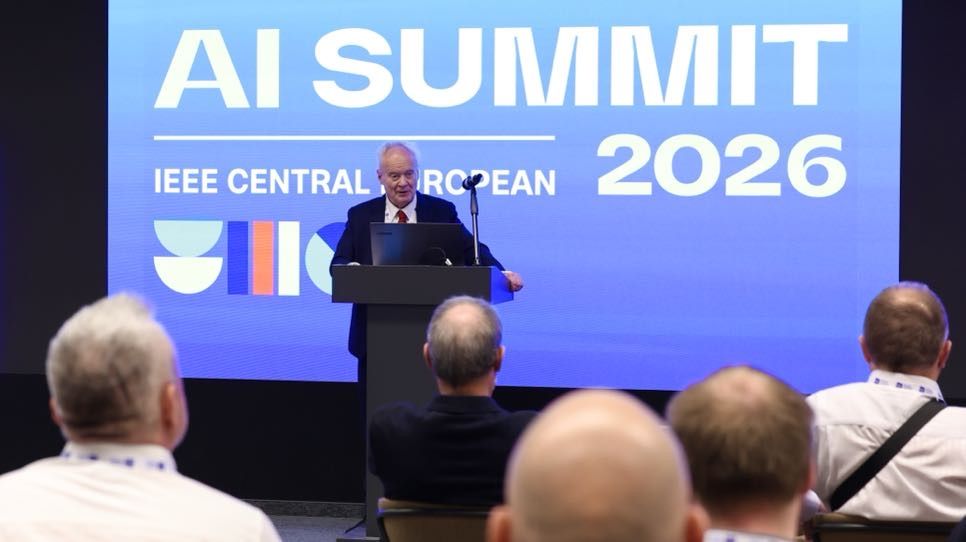
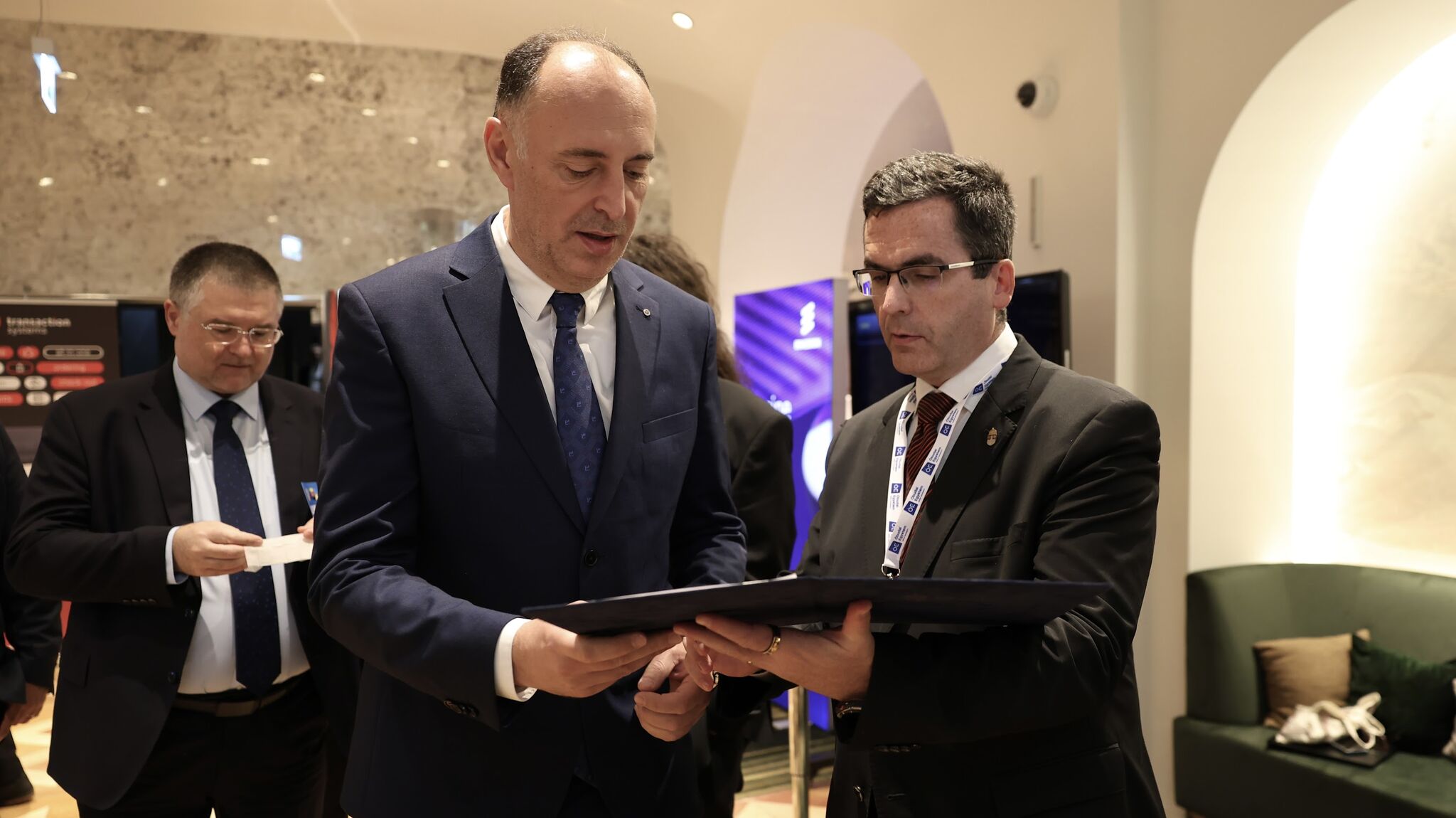
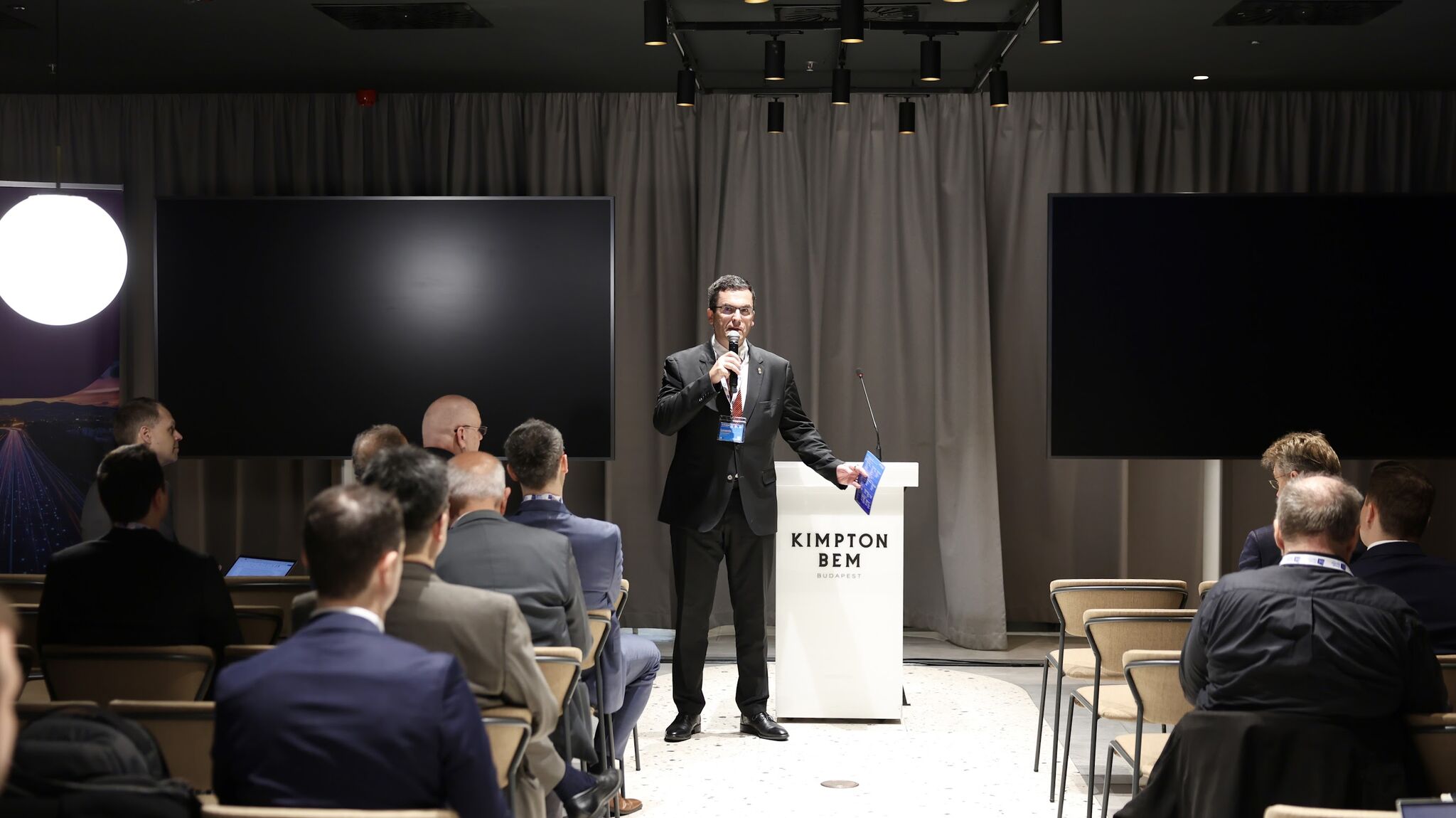
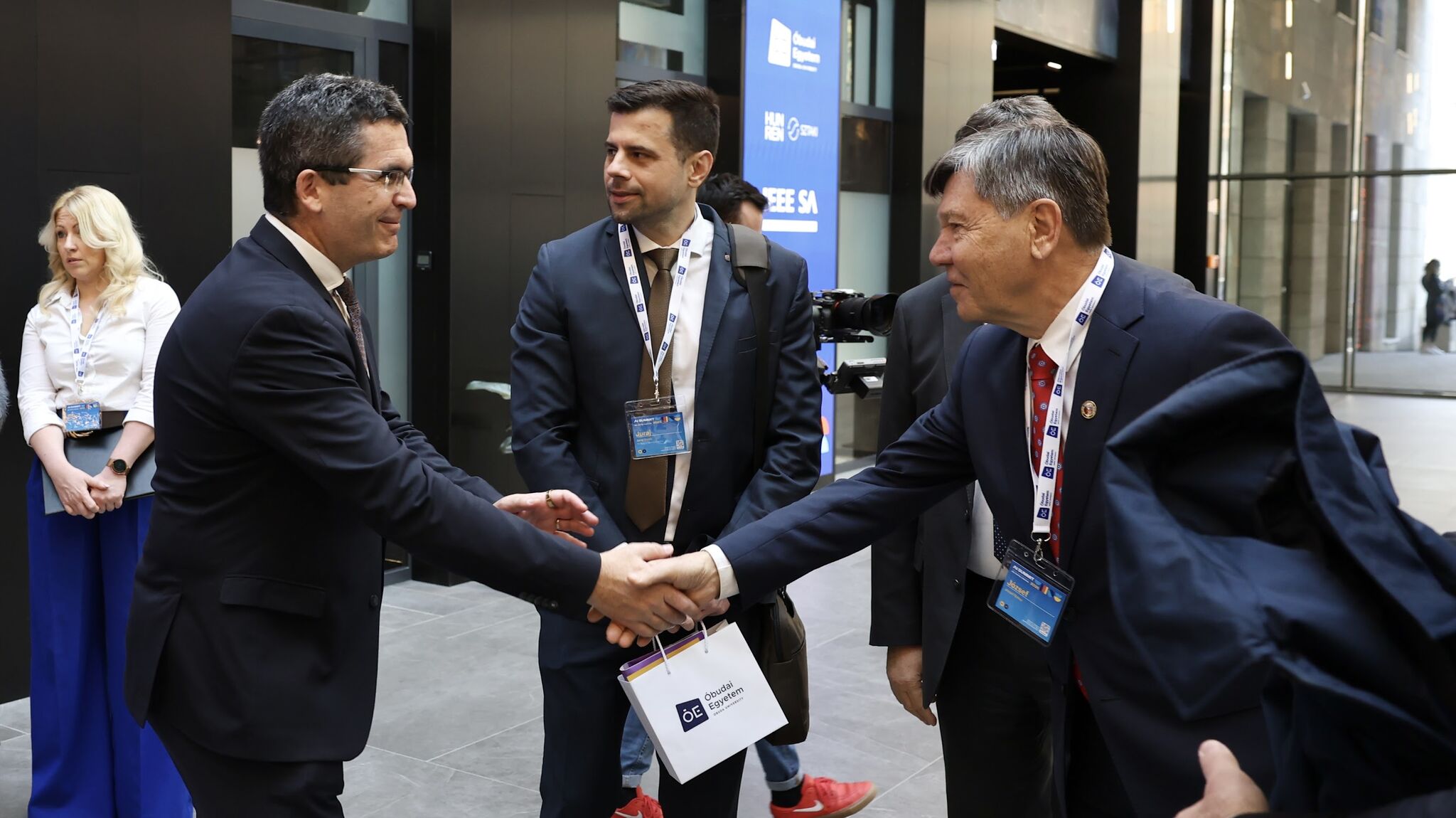
The Summit officially opened with the Opening Ceremony, which was attended by prominent leaders from the field of AI, academia, and industry. The ceremony was honored by distinguished figures, including:
- Prof. Dr. Levente Kovács, Rector of Obuda University and President of NJSZT
- Prof. Dr. László Palkovics, Government Commissioner for Artificial Intelligence
- Prof. Dr. József Bokor, Scientific Director of HUN-REN SZTAKI
- Dr. Clara Neppel, Senior Director of IEEE Europe
- Dr. Dániel Drexler, Chair of IEEE Hungary Section
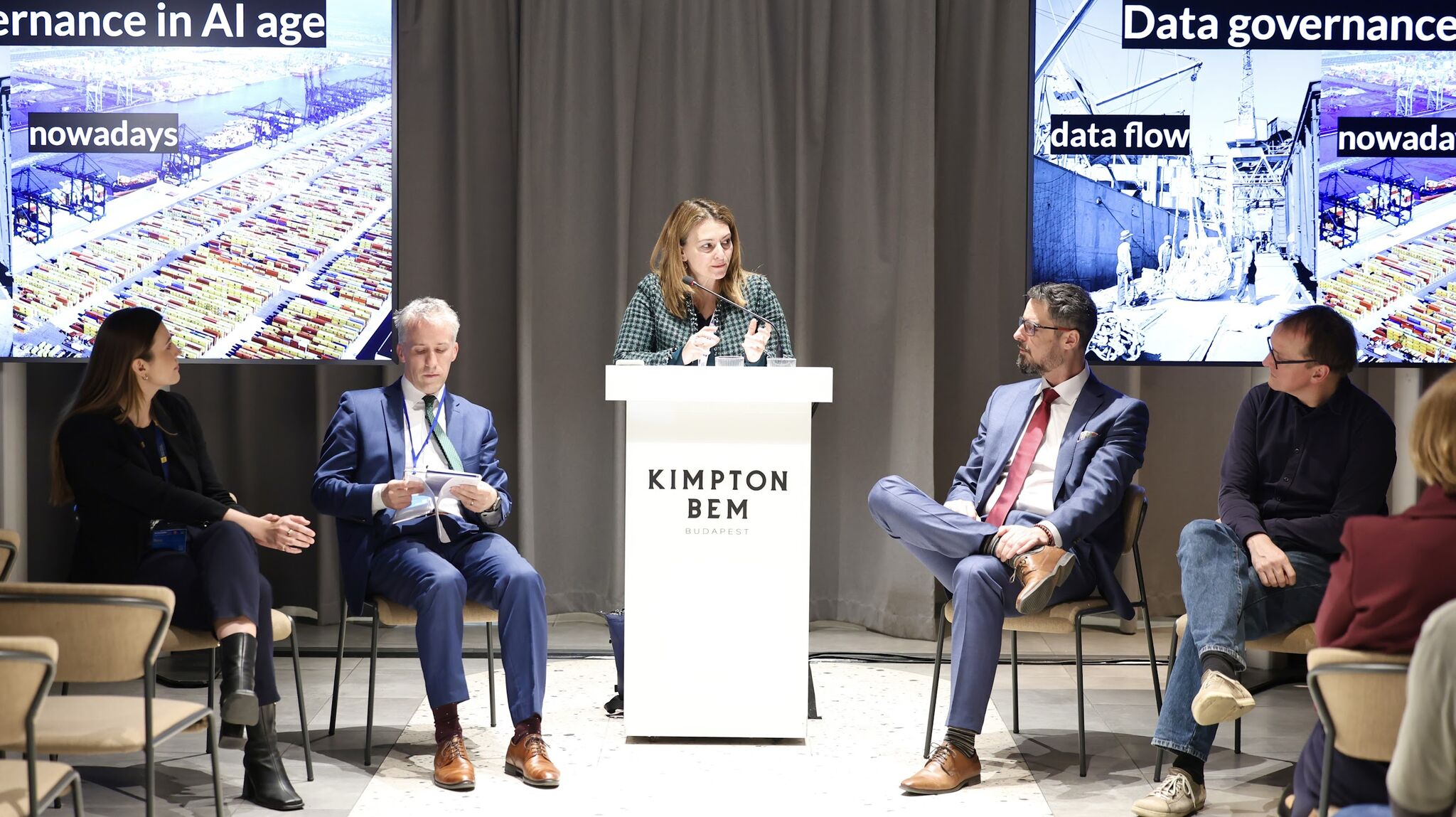
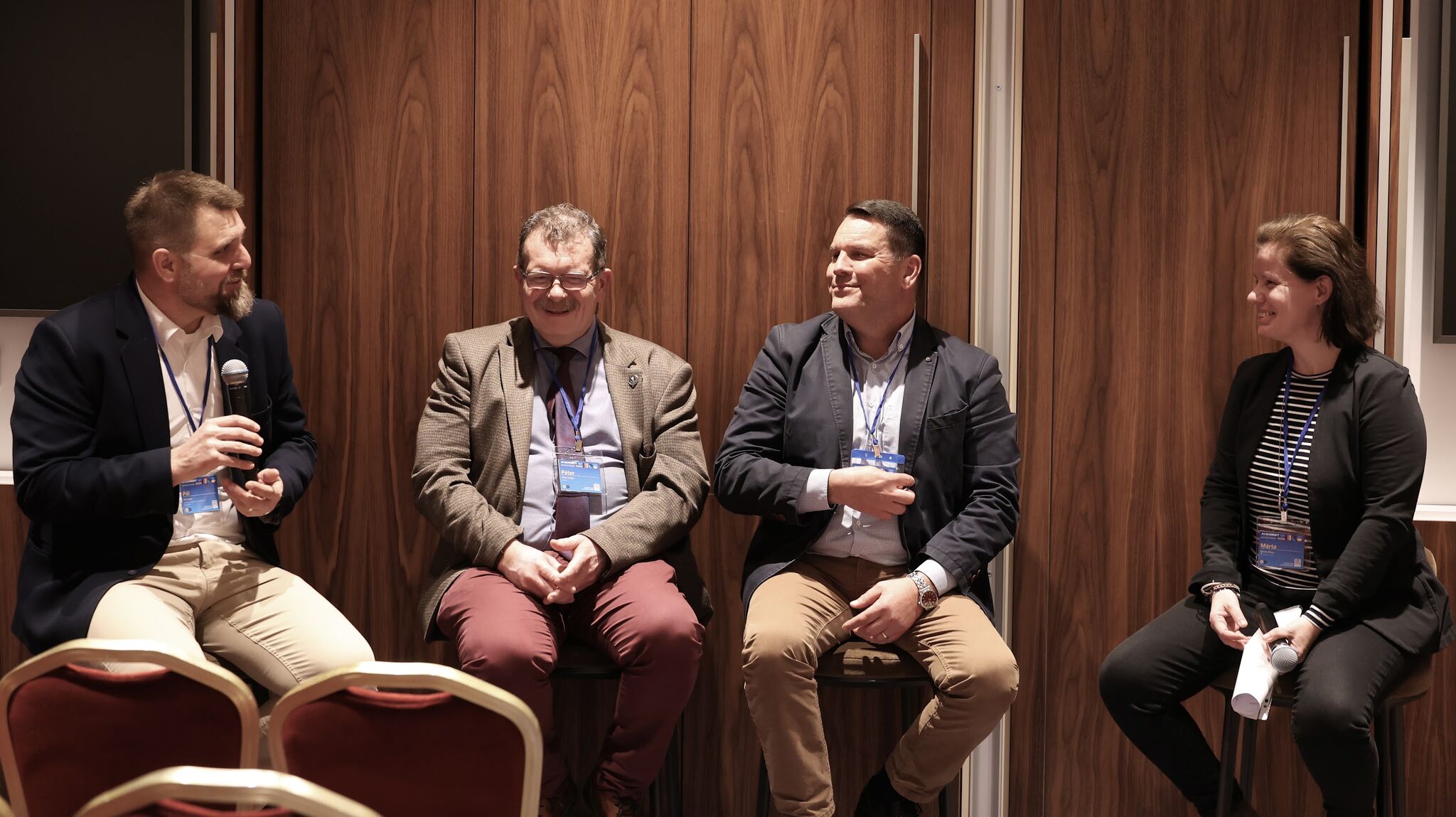
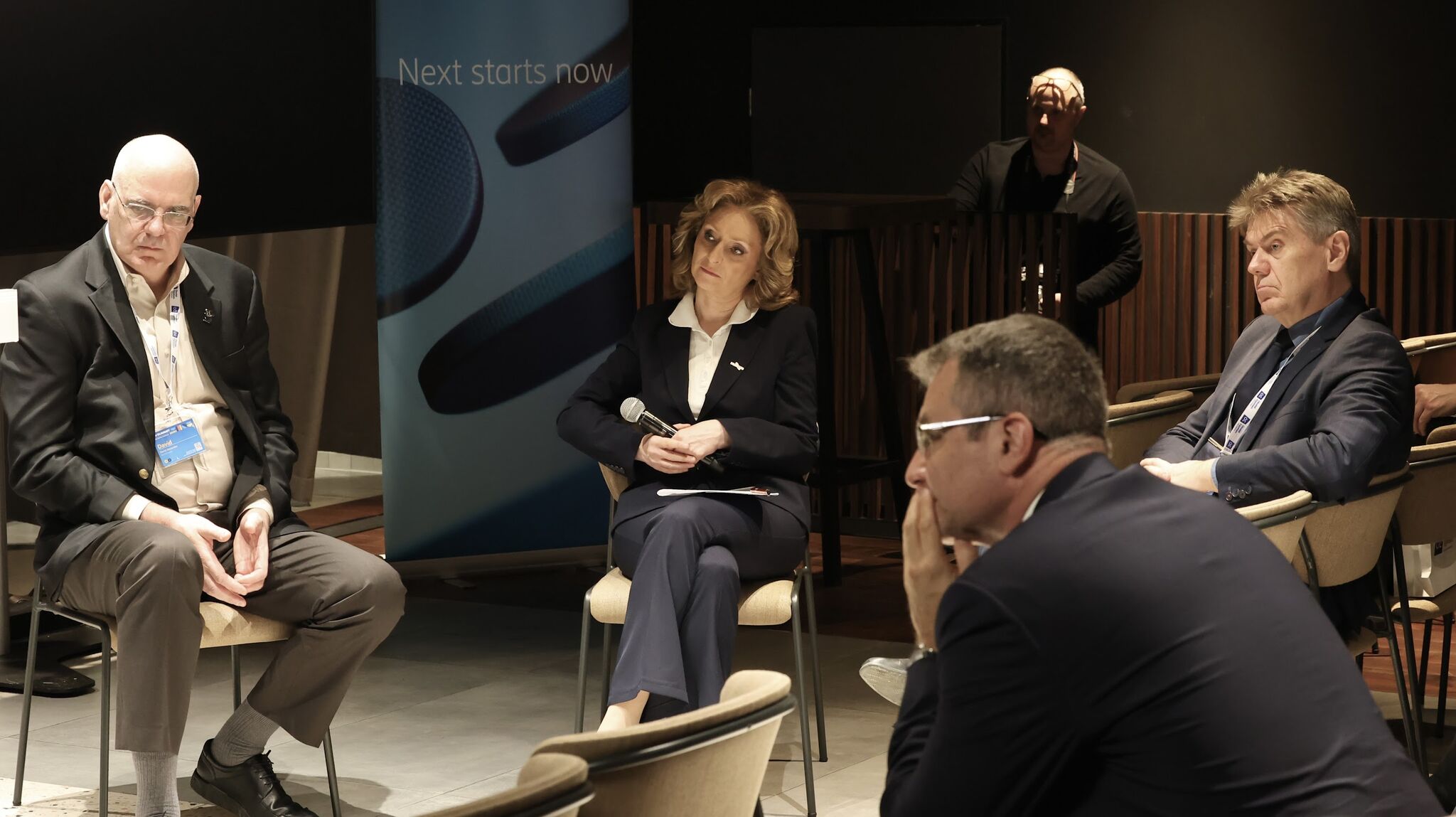
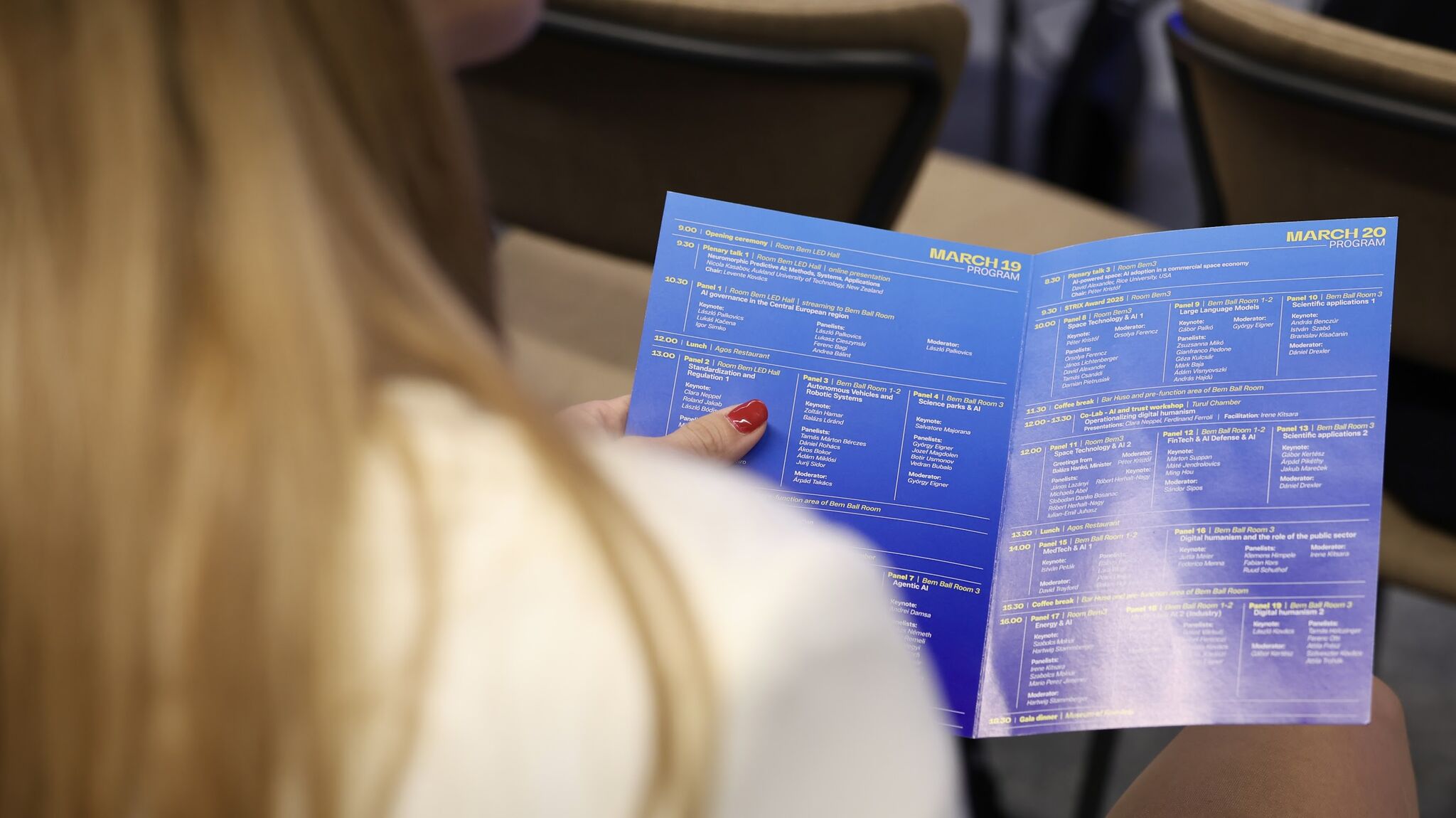
Following the ceremony, the first plenary talk was delivered by Nicola Kasabov (Auckland University of Technology) titled “Neuromorphic Predictive AI: Methods, Systems, Applications,” setting the stage for the panel discussions that followed. This was followed by the second plenary talk by Oussama Khatib (Stanford University) titled “Shaping the Future of Human-Robot Collaboration.” The first day also included various panel discussions focusing on key topics such as AI Governance, Regulation, and AI’s Role in Industry, ensuring that attendees gained valuable insights into the future of AI integration.
Day 2: March 20, 2026 – Frontiers of Space and Innovation
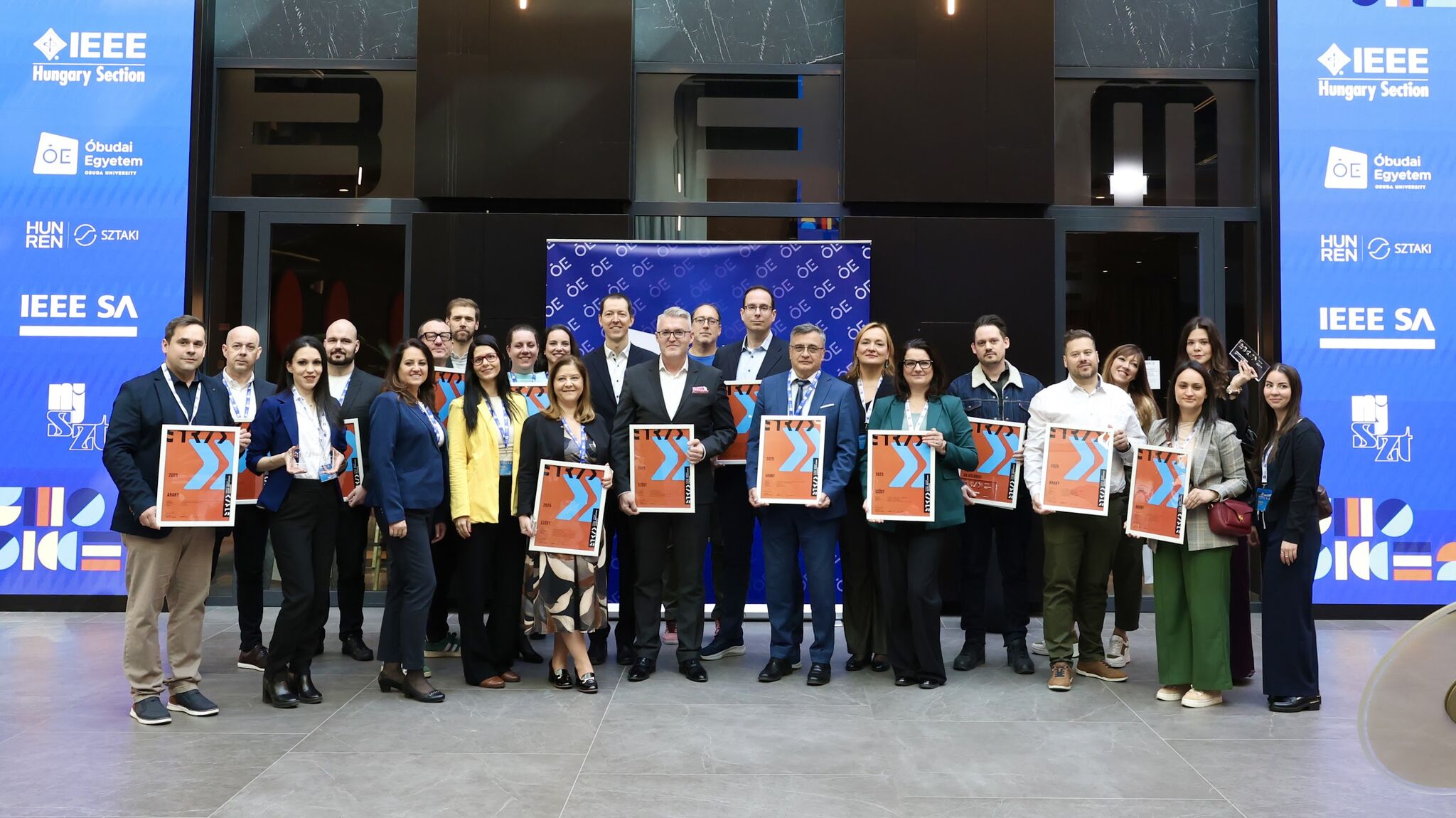
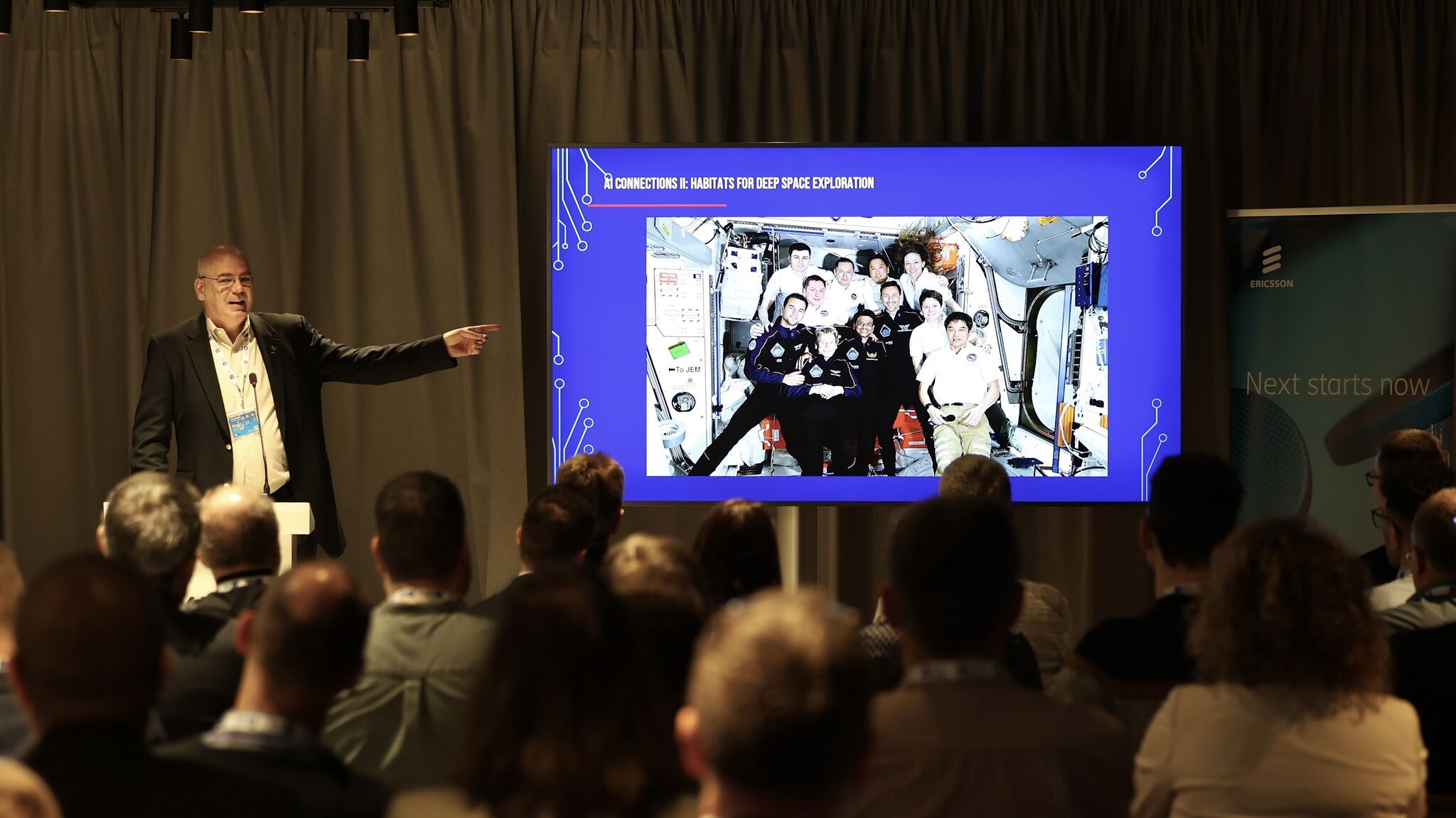
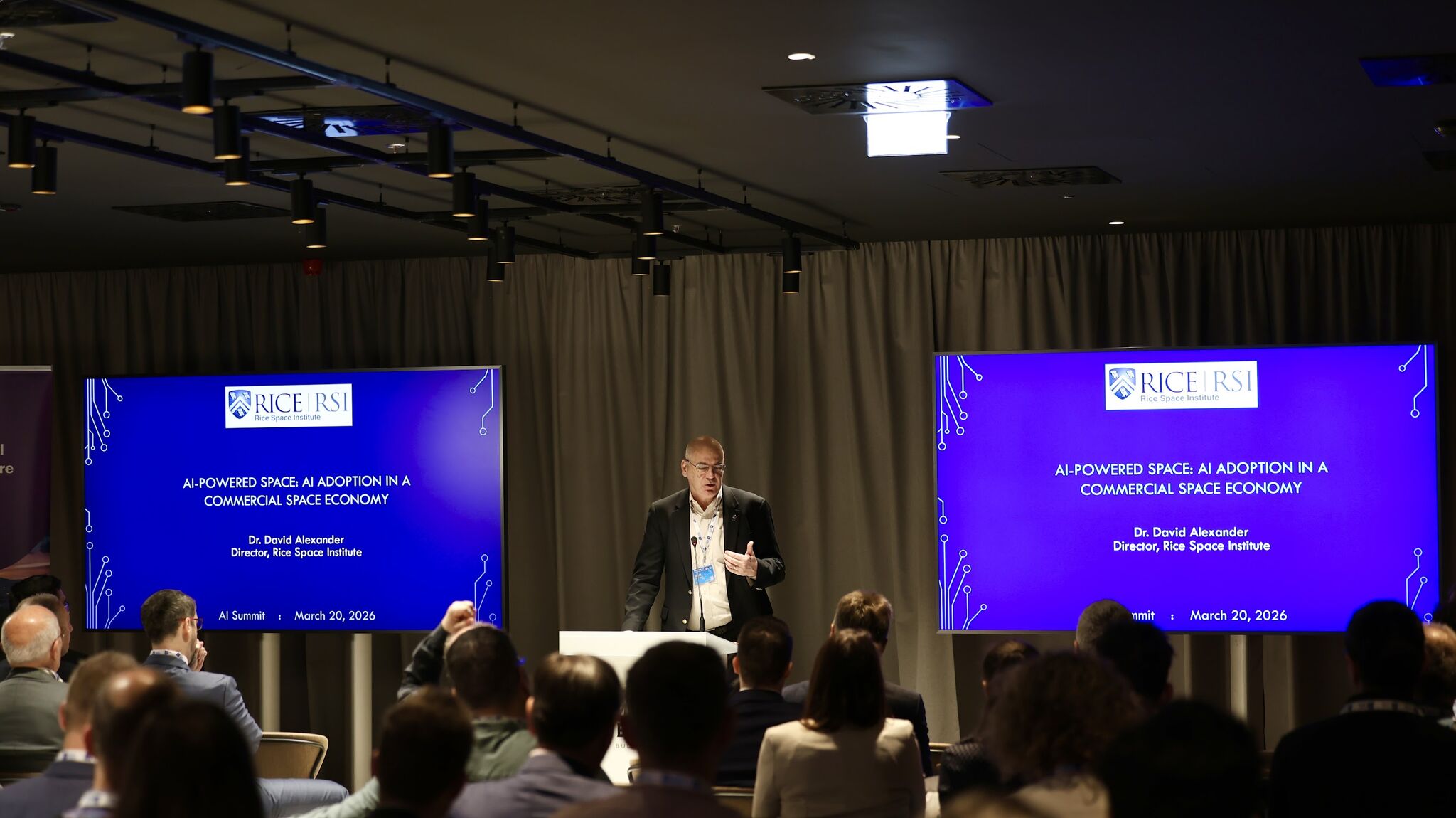
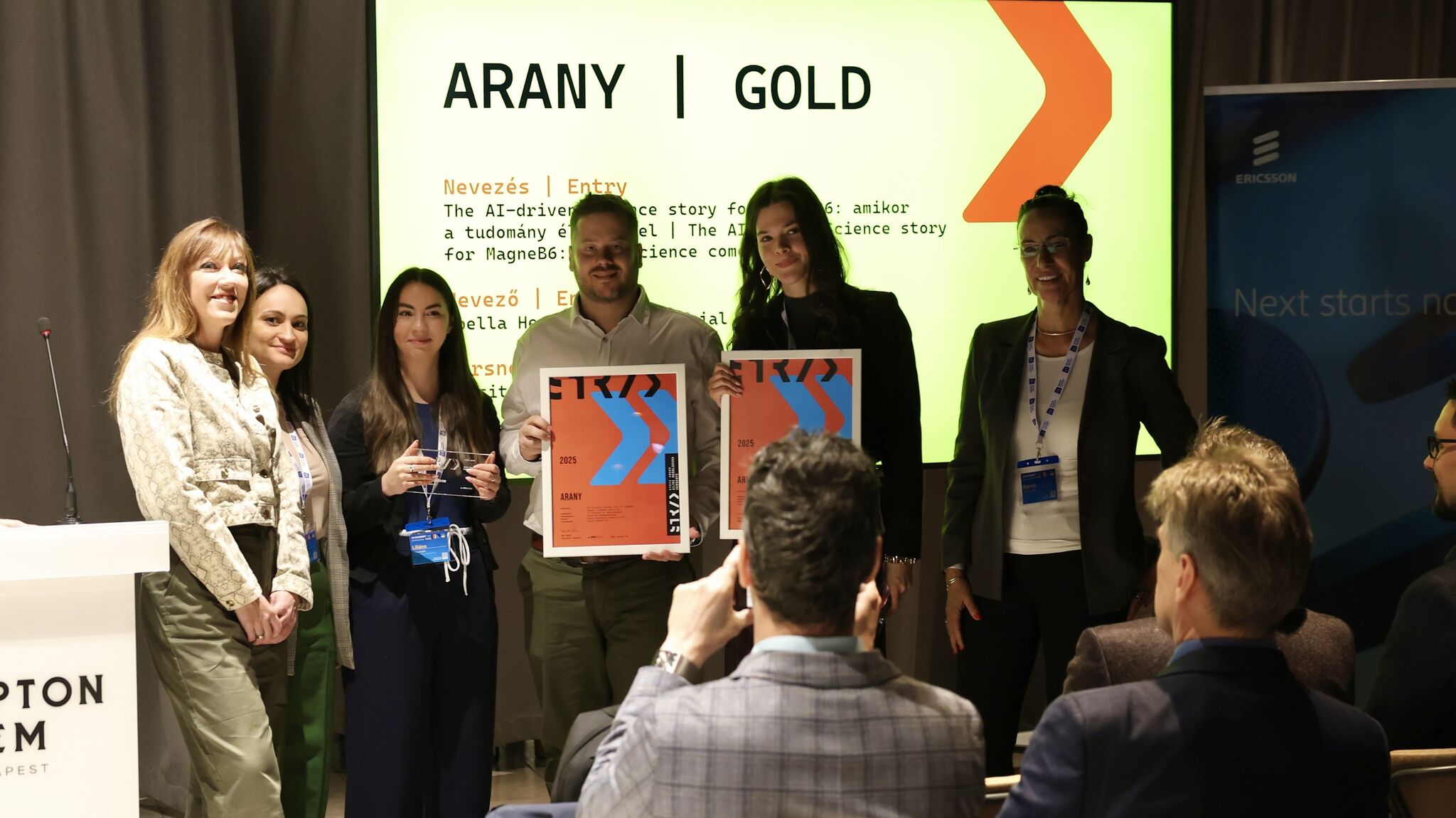
The second day began with a plenary presentation by David Alexander (Rice University) titled “AI-powered space: AI adoption in a commercial space economy,” which initiated engaging discussions on the intersection of AI and space technology. Following the plenary, the Strix 2025 Award ceremony took place, marking a significant milestone as it celebrated Hungary’s first-ever AI competition.
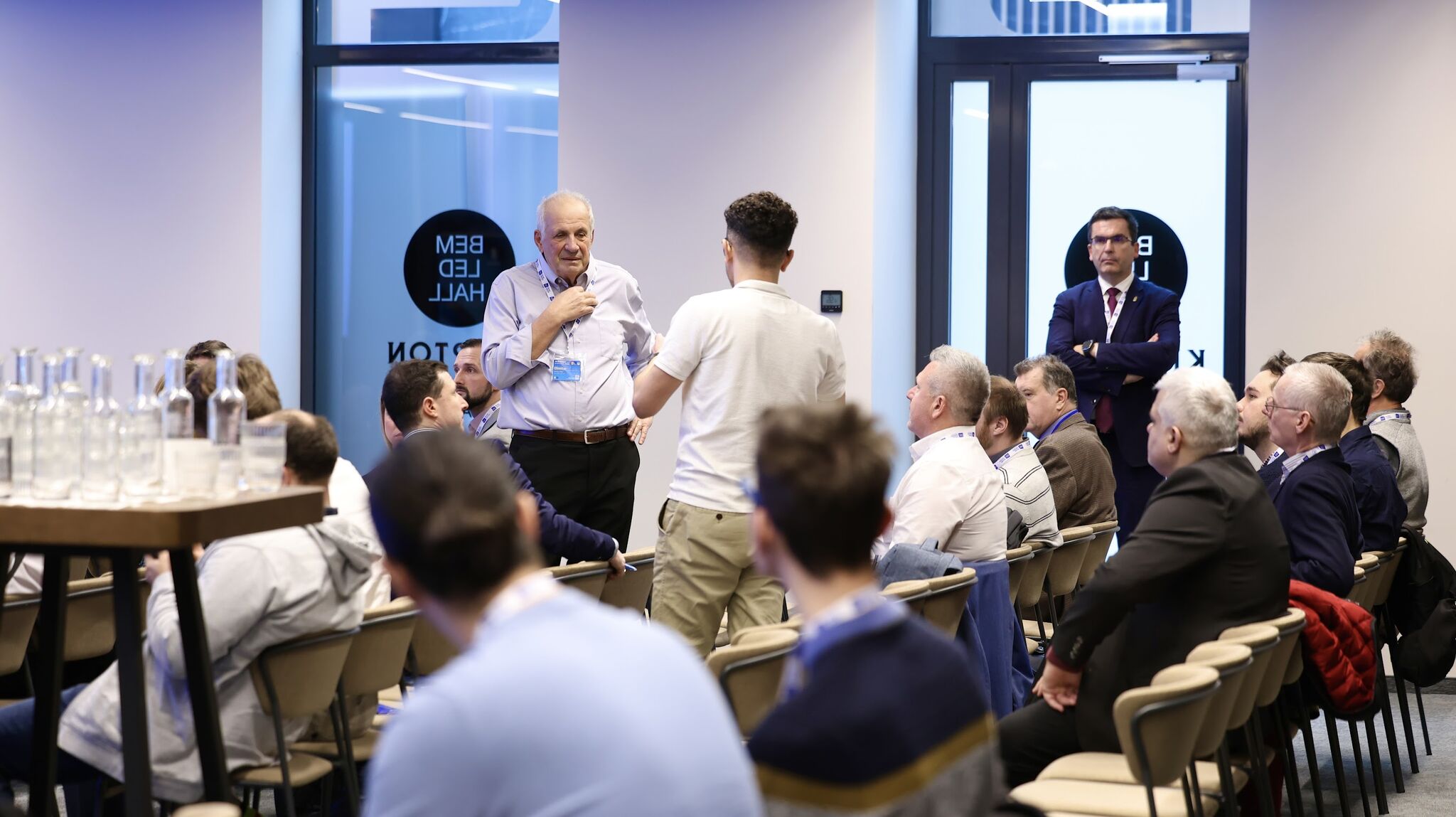
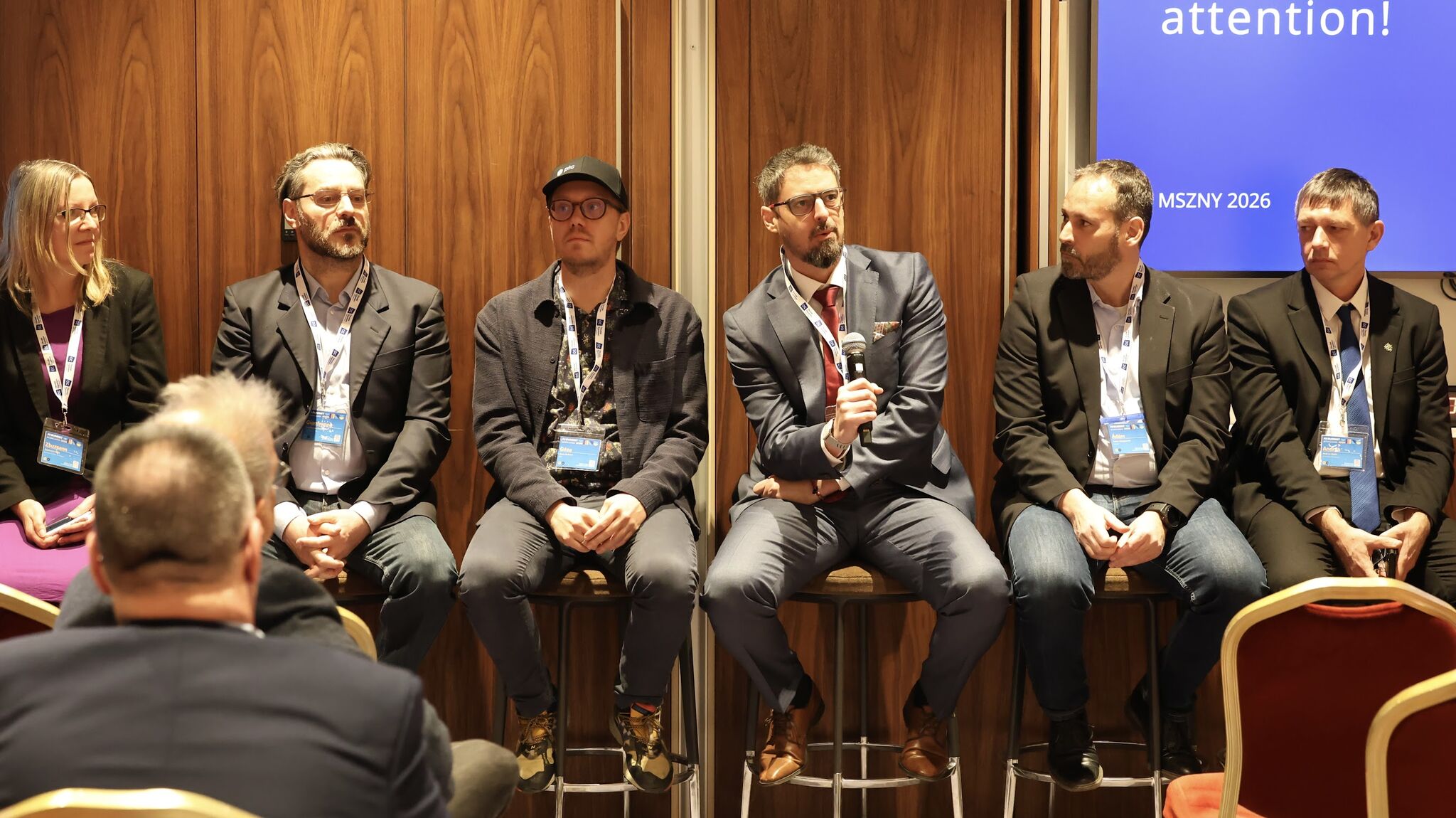
Parallel panels followed, covering areas such as Large Language Models and Space Technology, where the first Space panel was moderated by Dr. Orsolya Ferencz, Ministerial Commissioner for Space Research (HUNOR program). Other sessions were enriched by contributions in MedTech, Scientific Applications, and Digital Humanism, promoting collaboration between academia and industry.
Day 3: March 21, 2026 – Engineering Evolution and Quantum Horizons
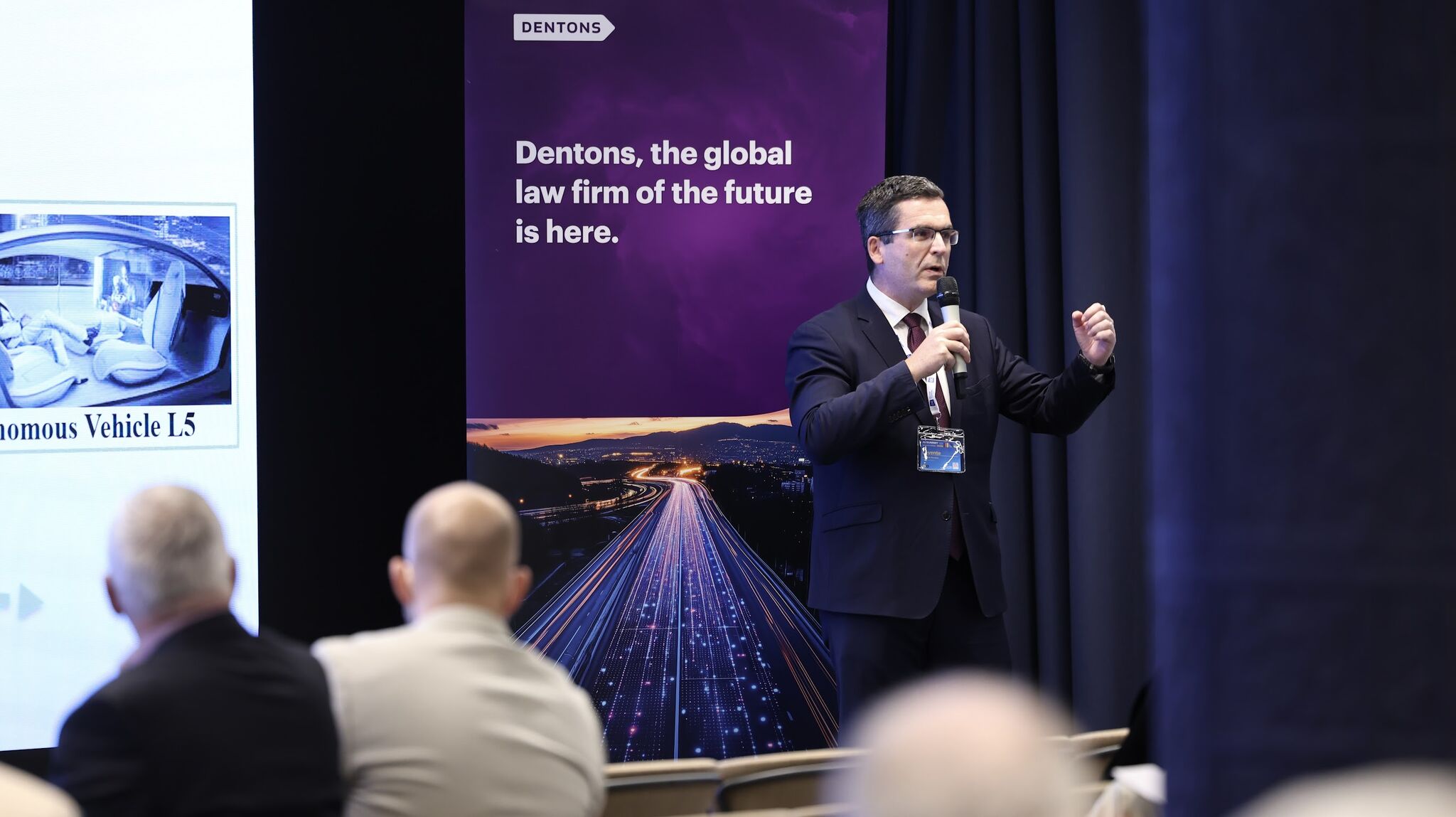
The final day opened with a plenary presentation by Dimitar Filev (Texas A&M University) titled “Beyond Engines: AI’s Transformation of Automotive Engineering,” providing insights into how AI is reshaping intelligent systems. Following a networking break, parallel sessions addressed challenges in Regulation, Food Safety, and Data Governance.
In the afternoon, the Summit continued with a talk by Paul Werbos (Missouri University of Science and Technology) on “Seeing the Sky: New Quantum Hardware Offering Millions-fold More Power.” The event concluded with panels on PhD Research, Cybersecurity, and innovation ecosystems (OUVC panel). In his closing remarks, Prof. Dr. Levente Kovács, Rector of Obuda University and General Chair, emphasized the significance of this inaugural Summit and expressed gratitude to all participants for making the event a resounding success.