



AI in Your Hands – Digital Awareness and Robotics for Future Generations
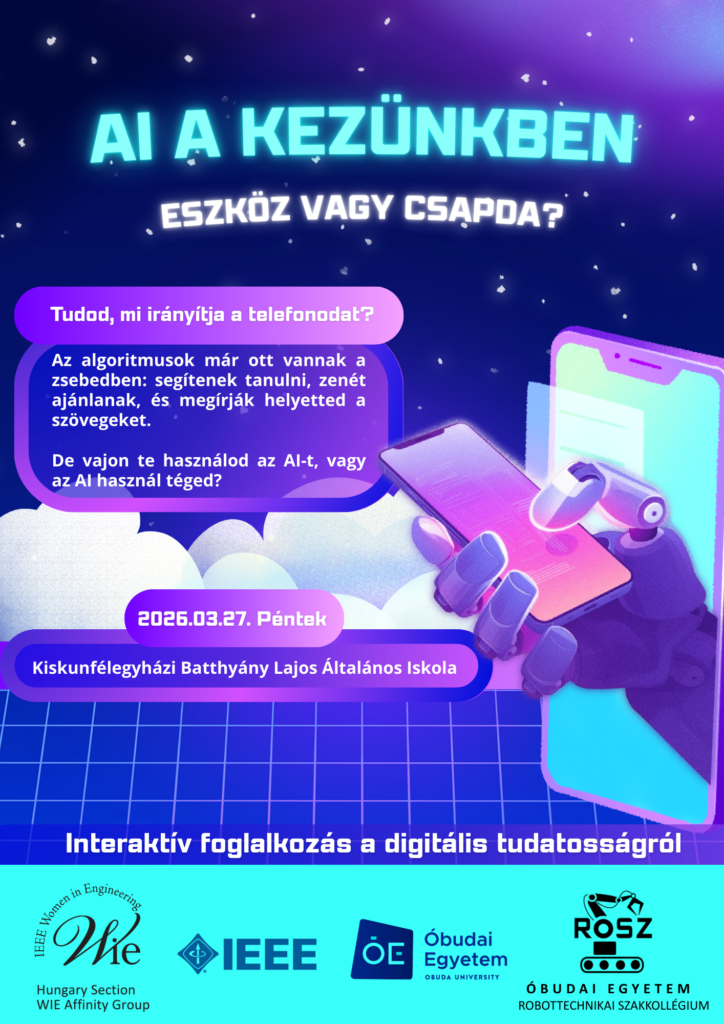
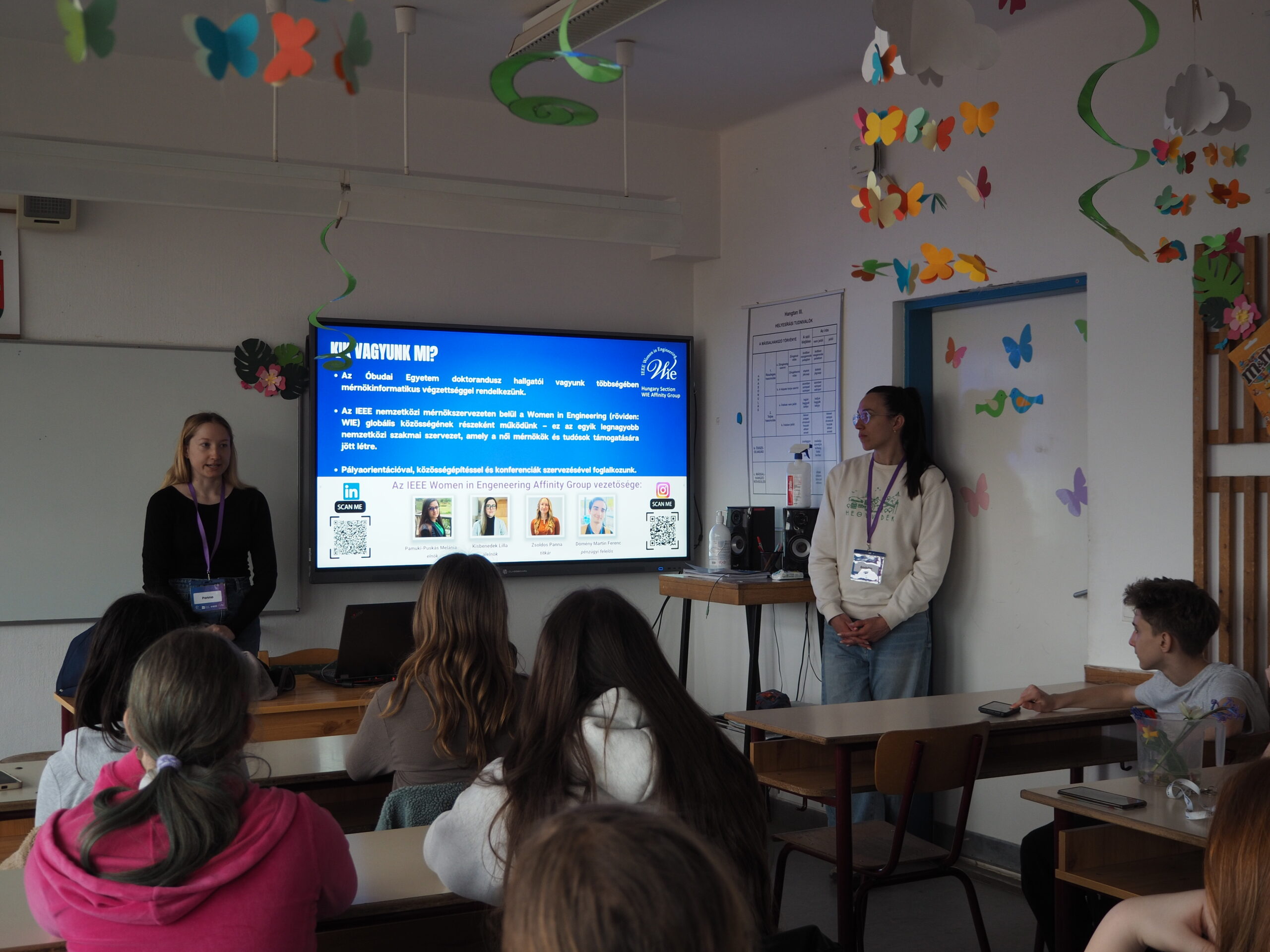
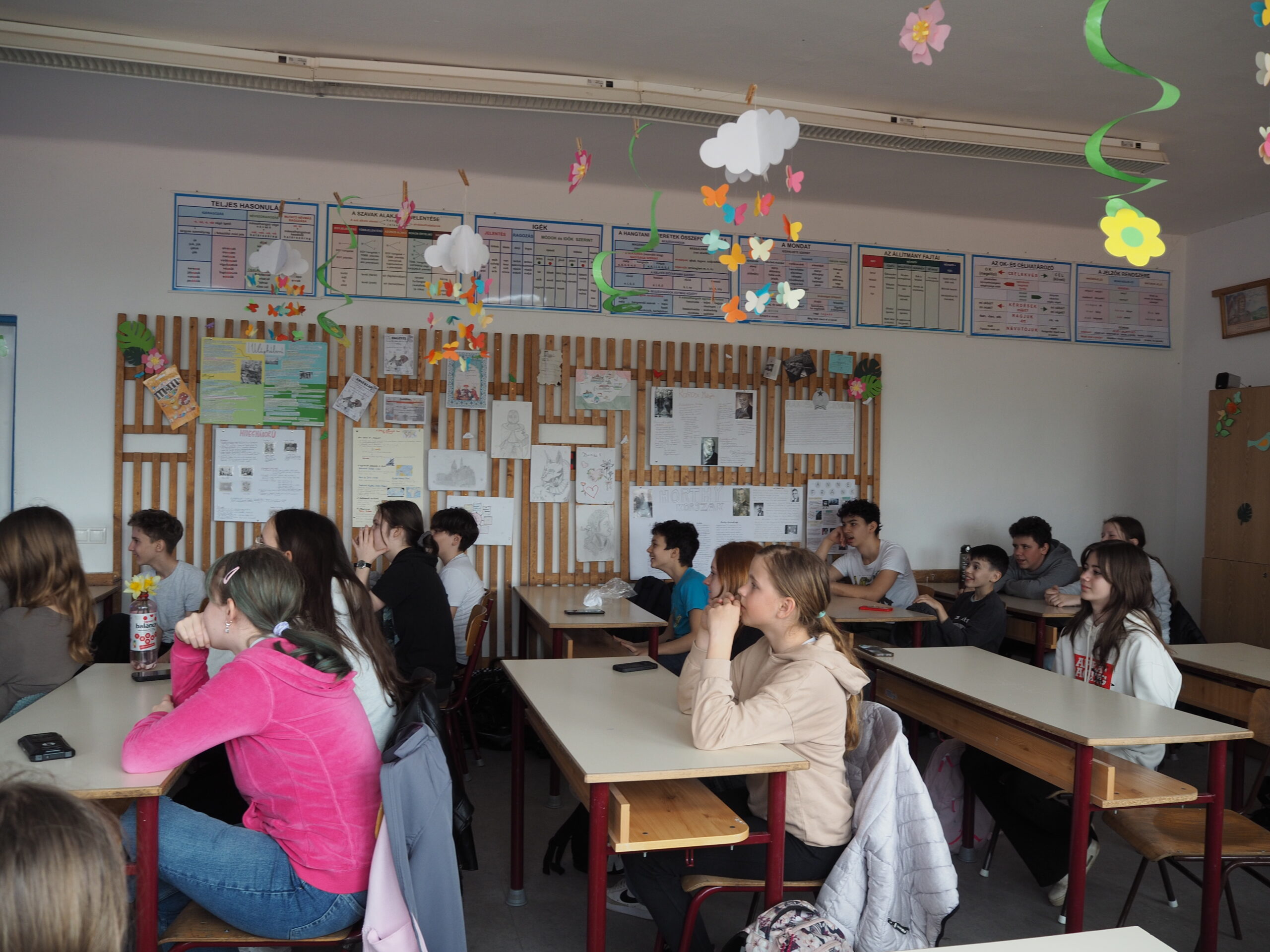
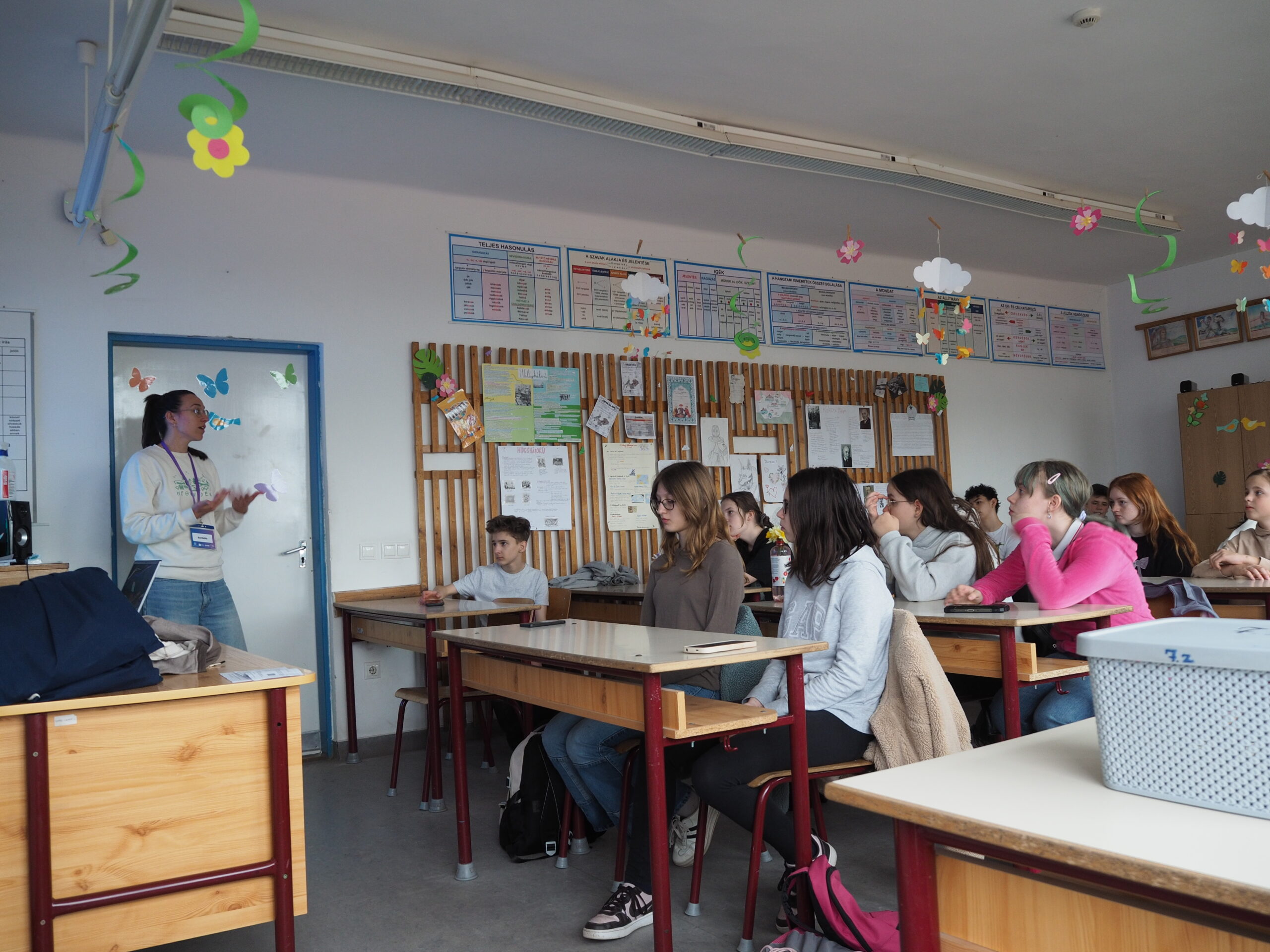
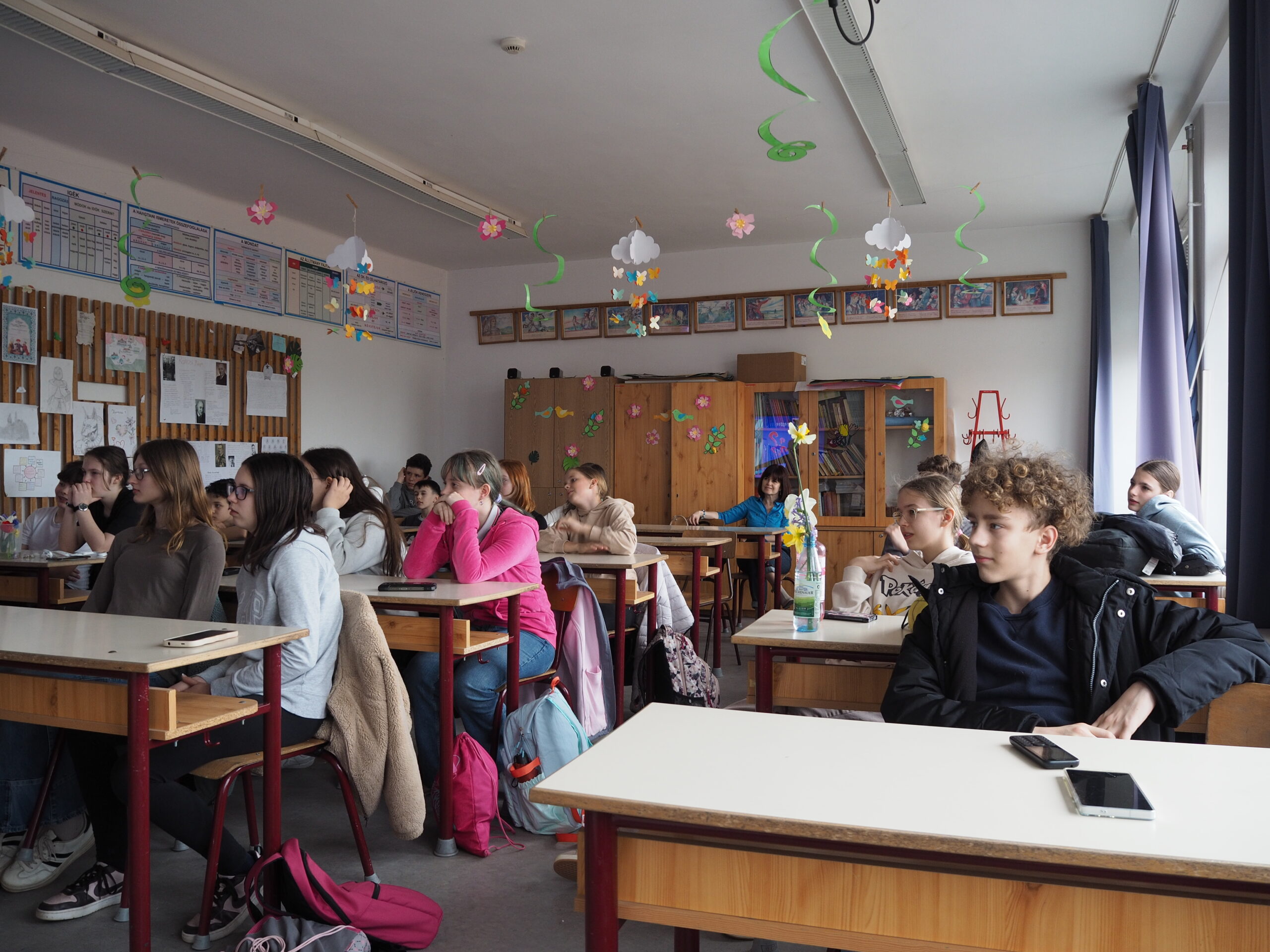
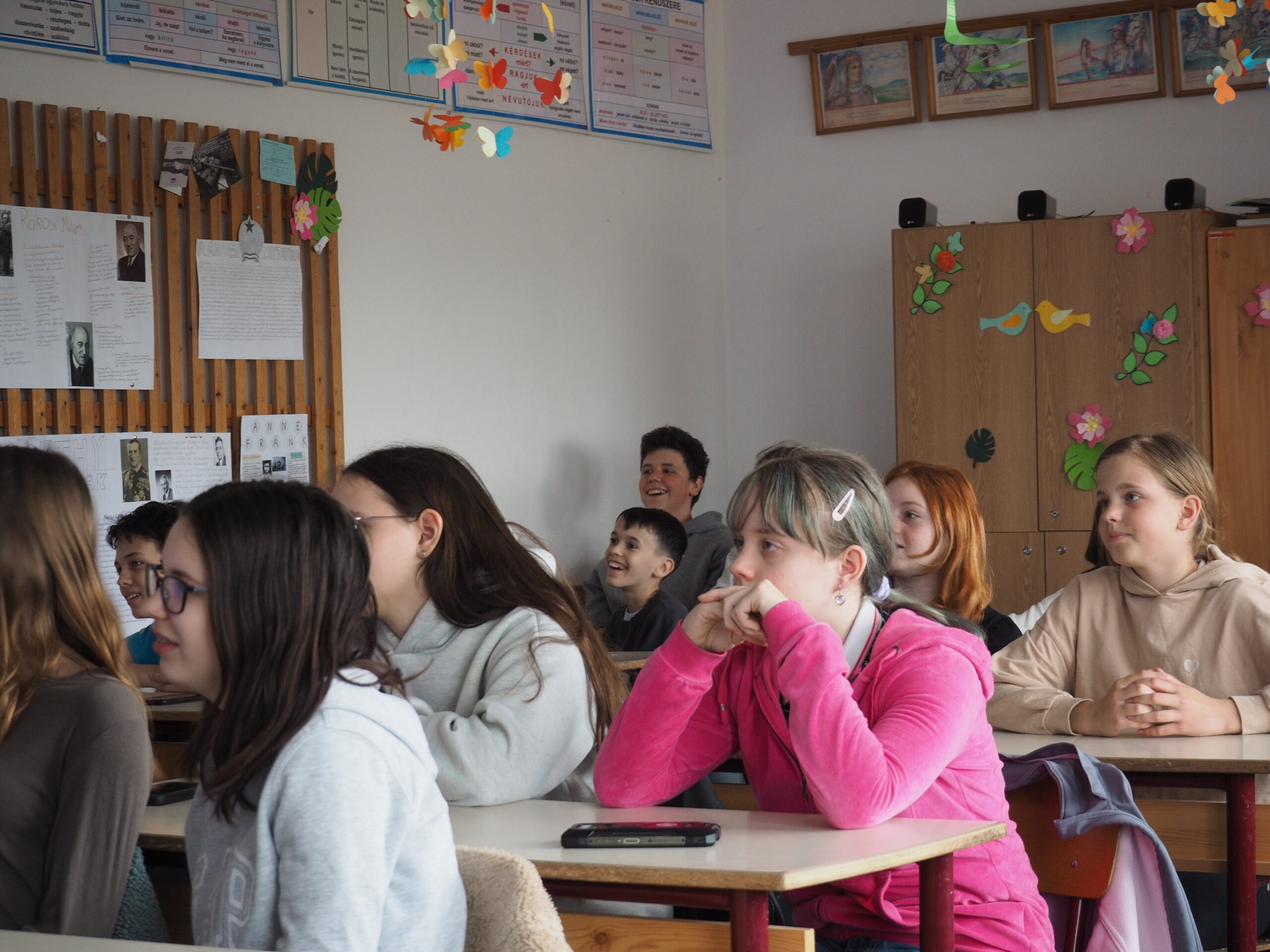
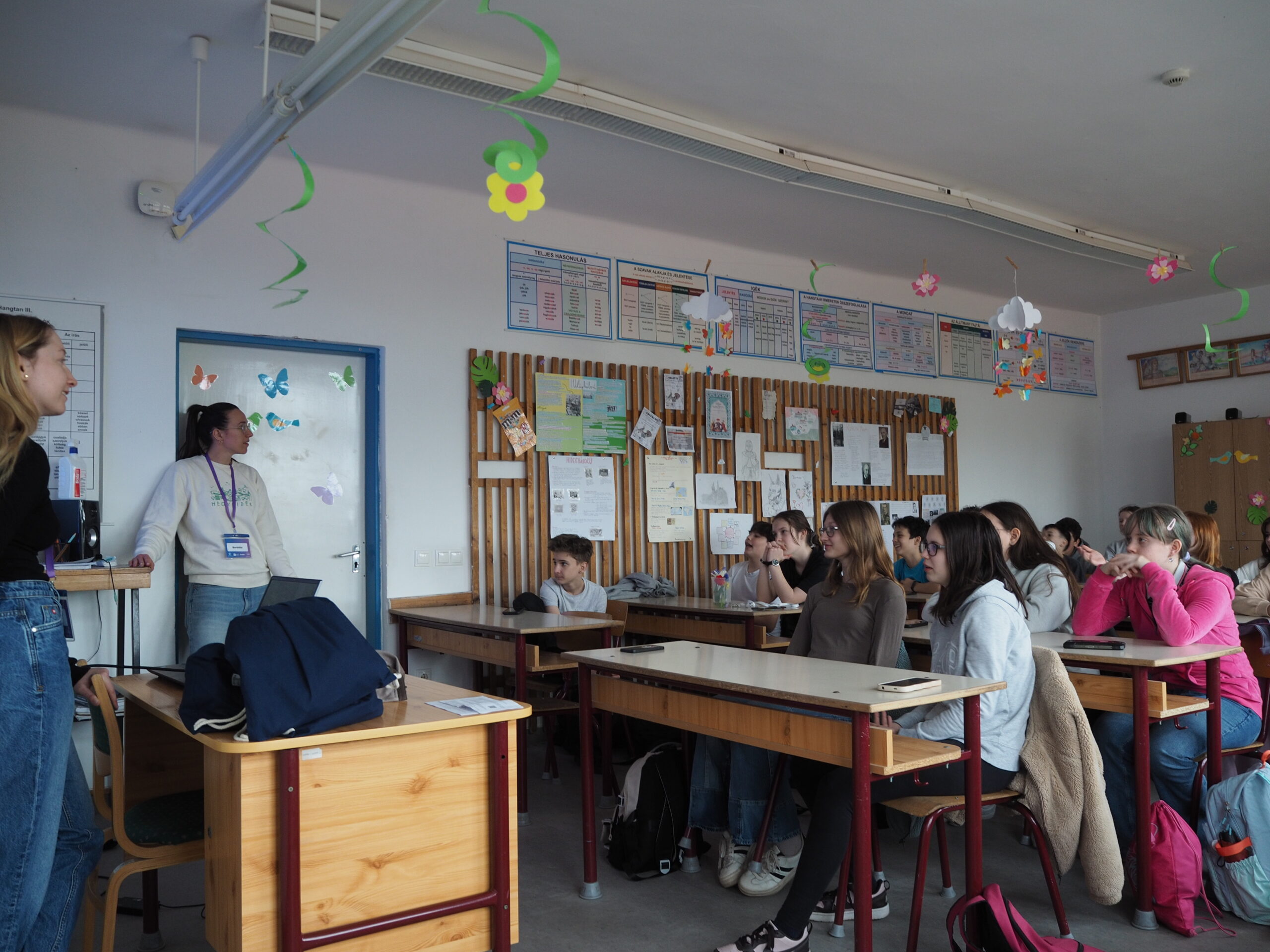
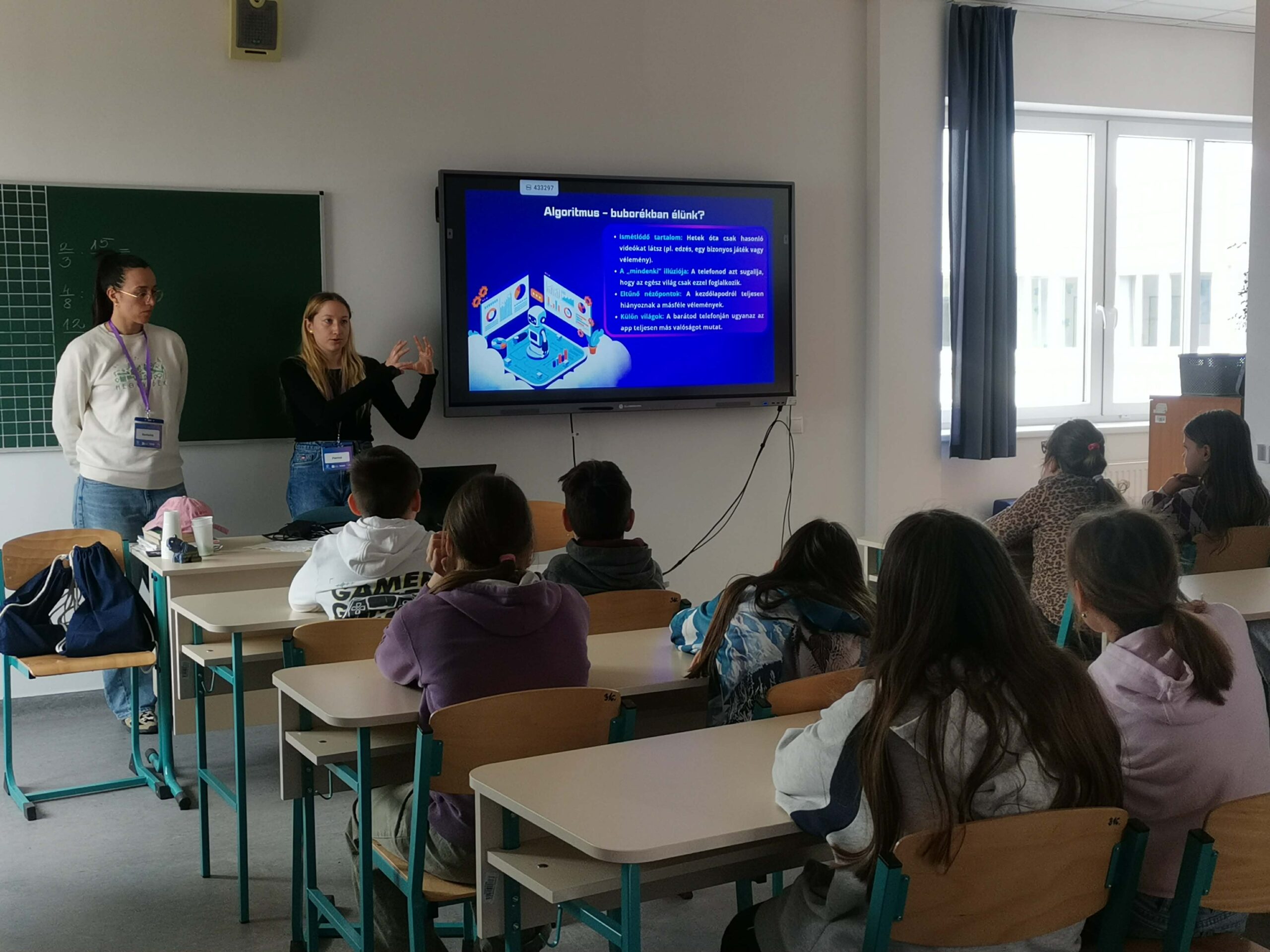
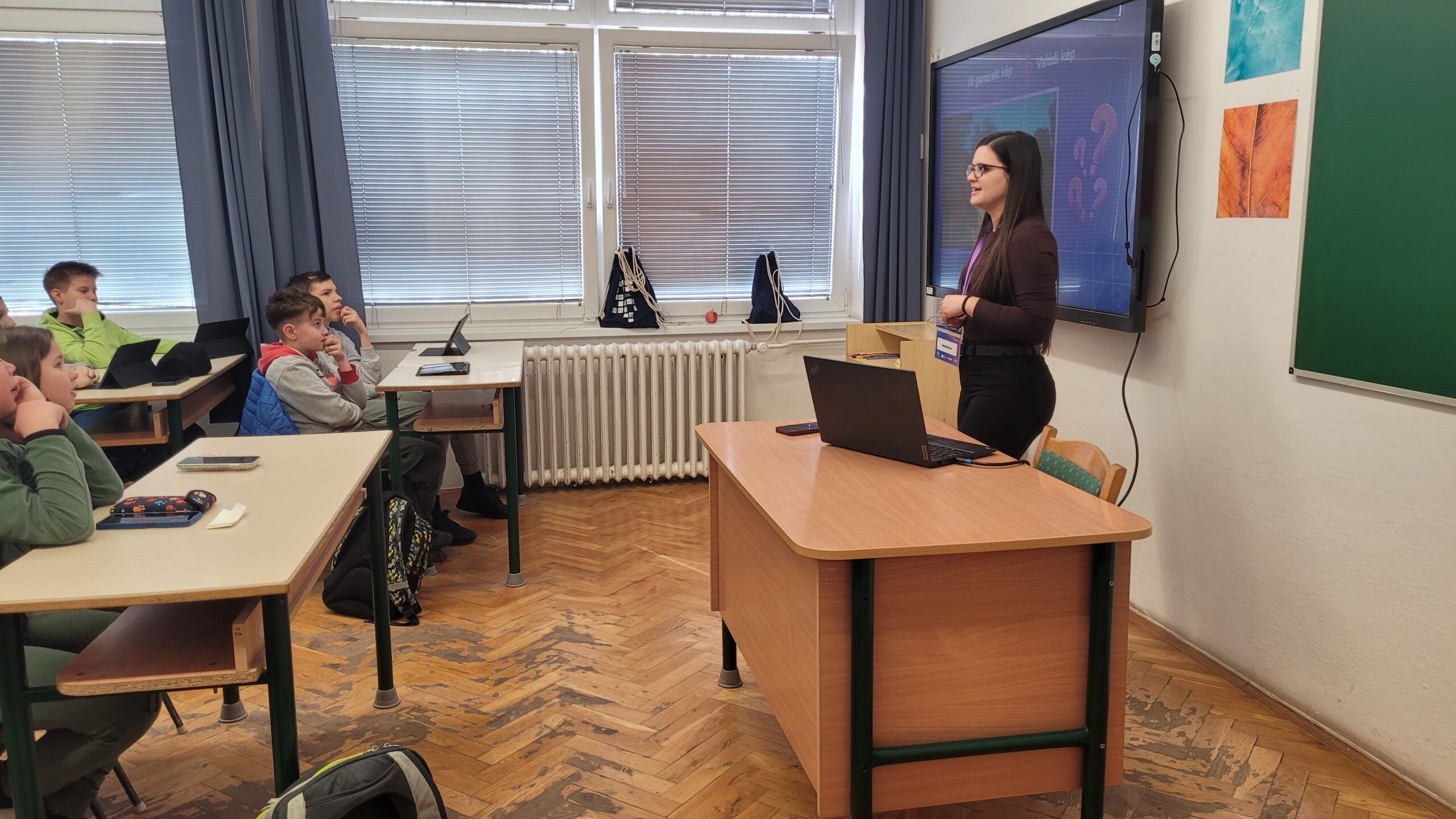
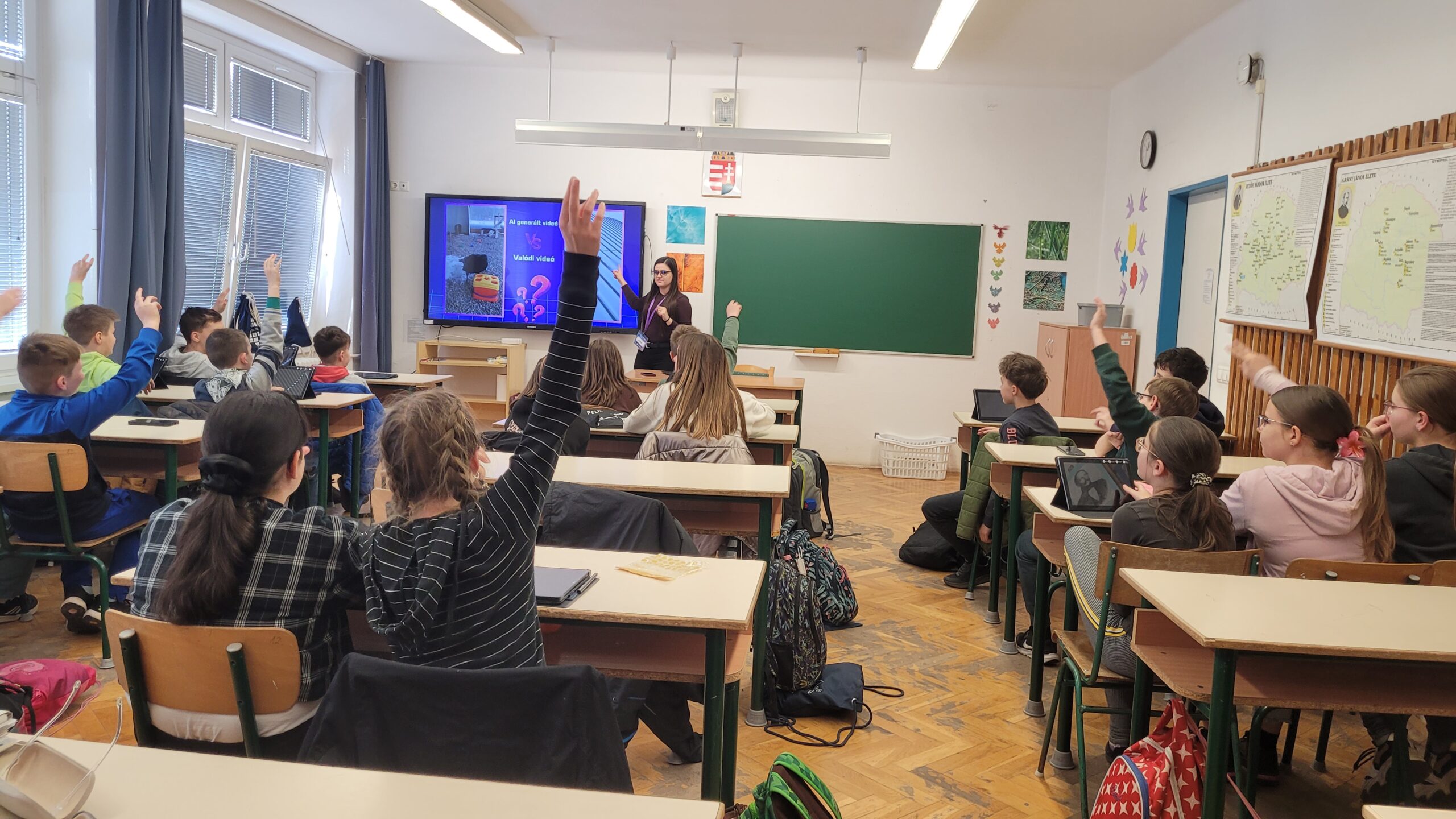
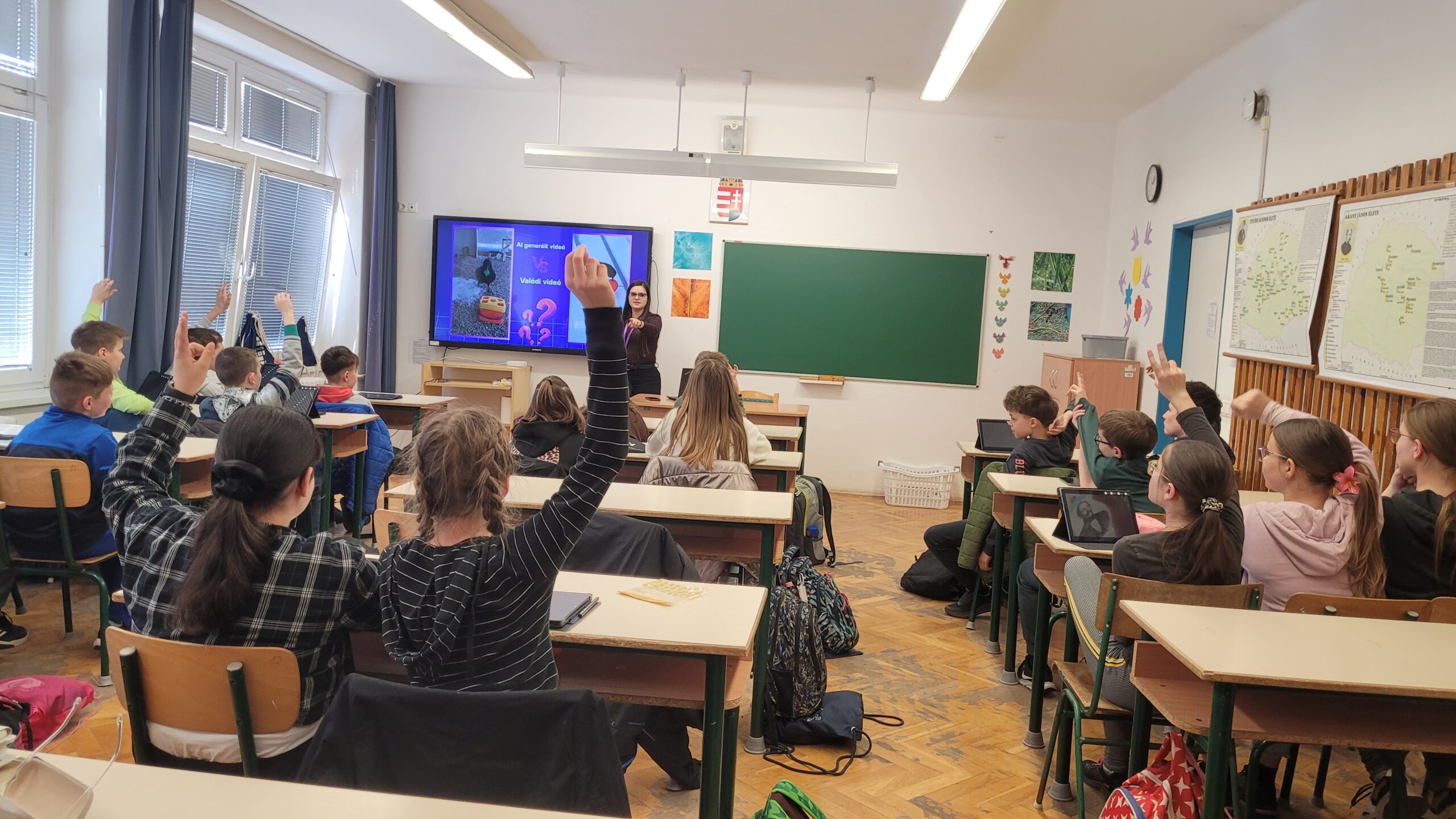
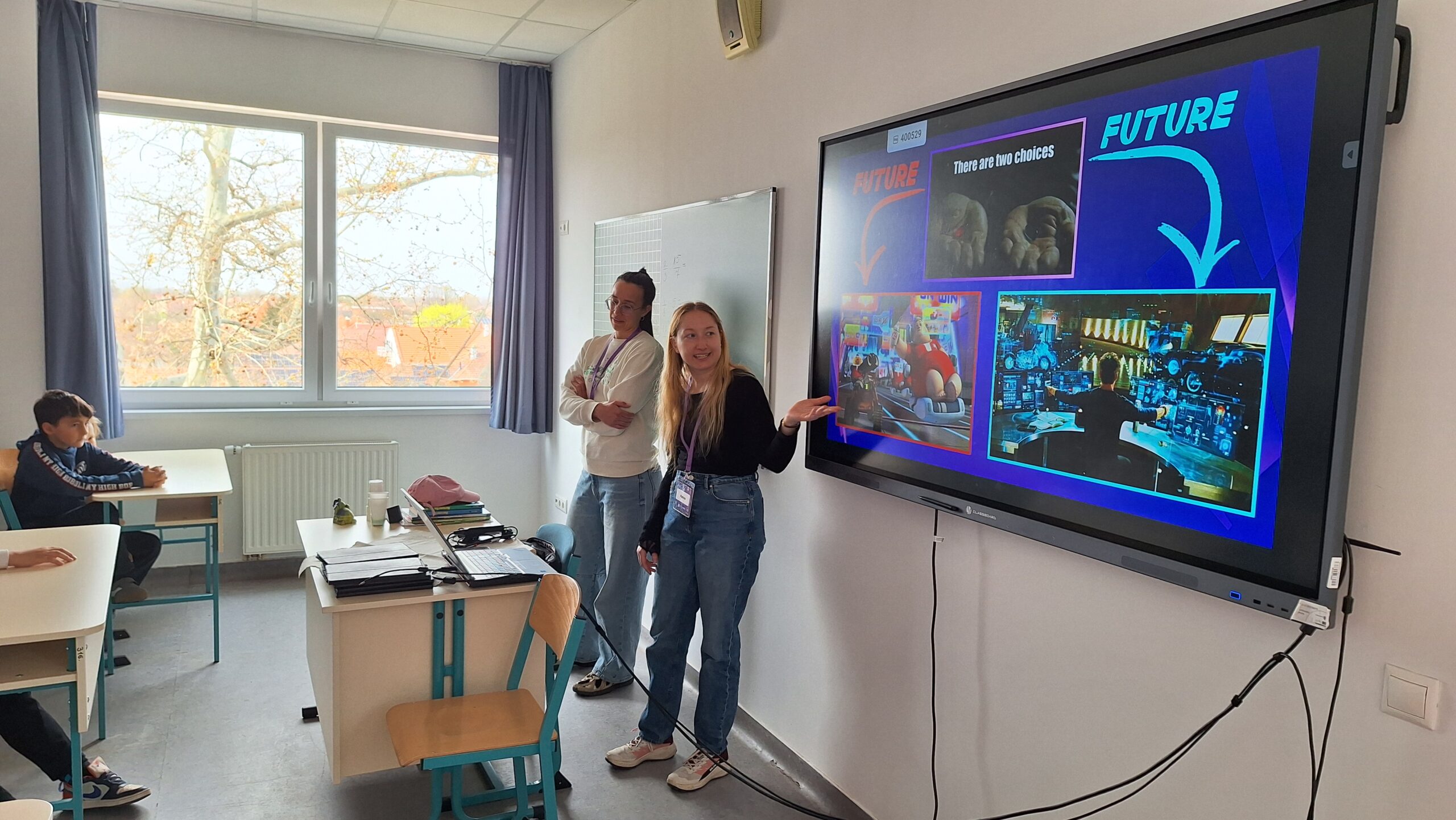
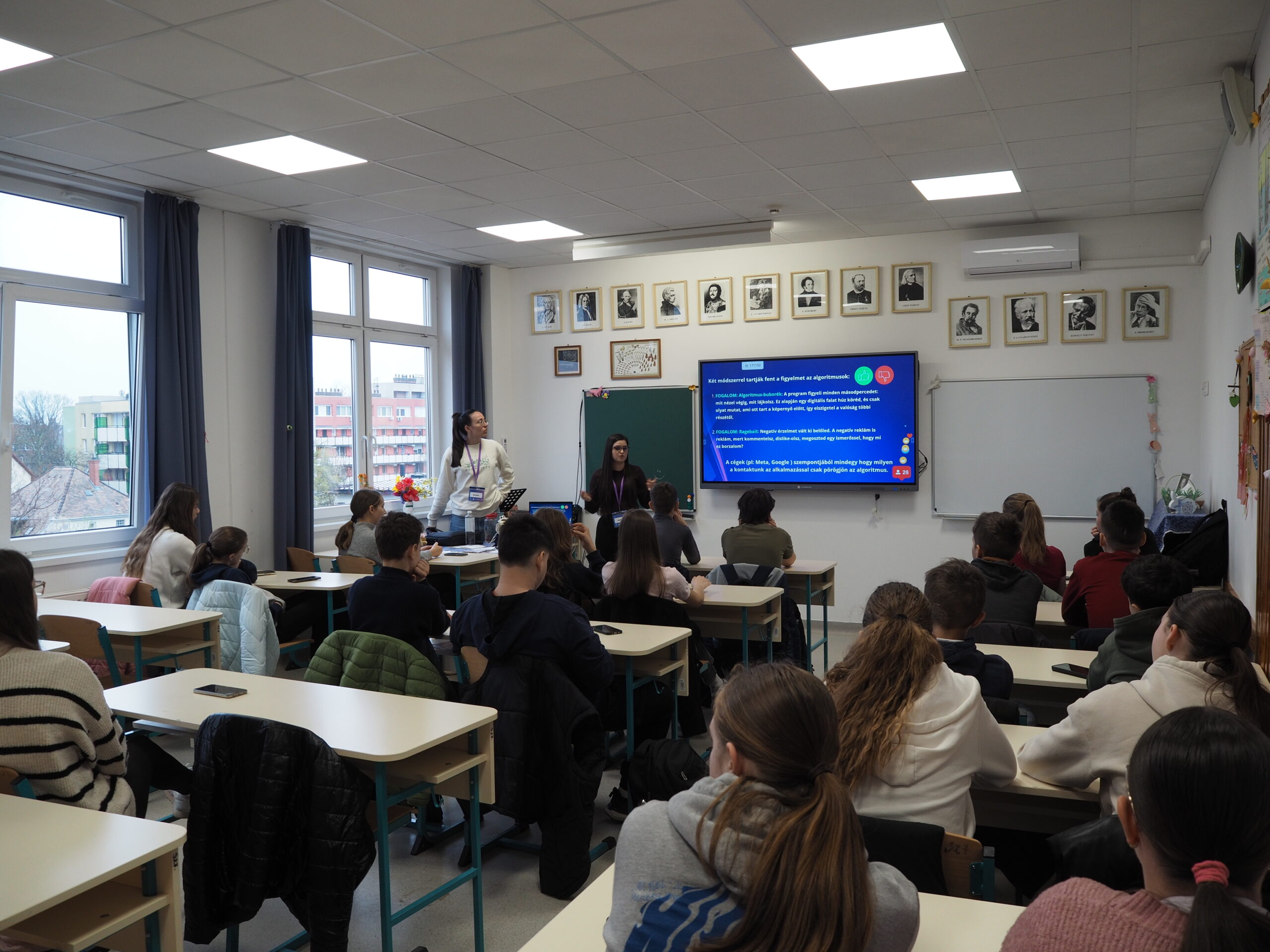
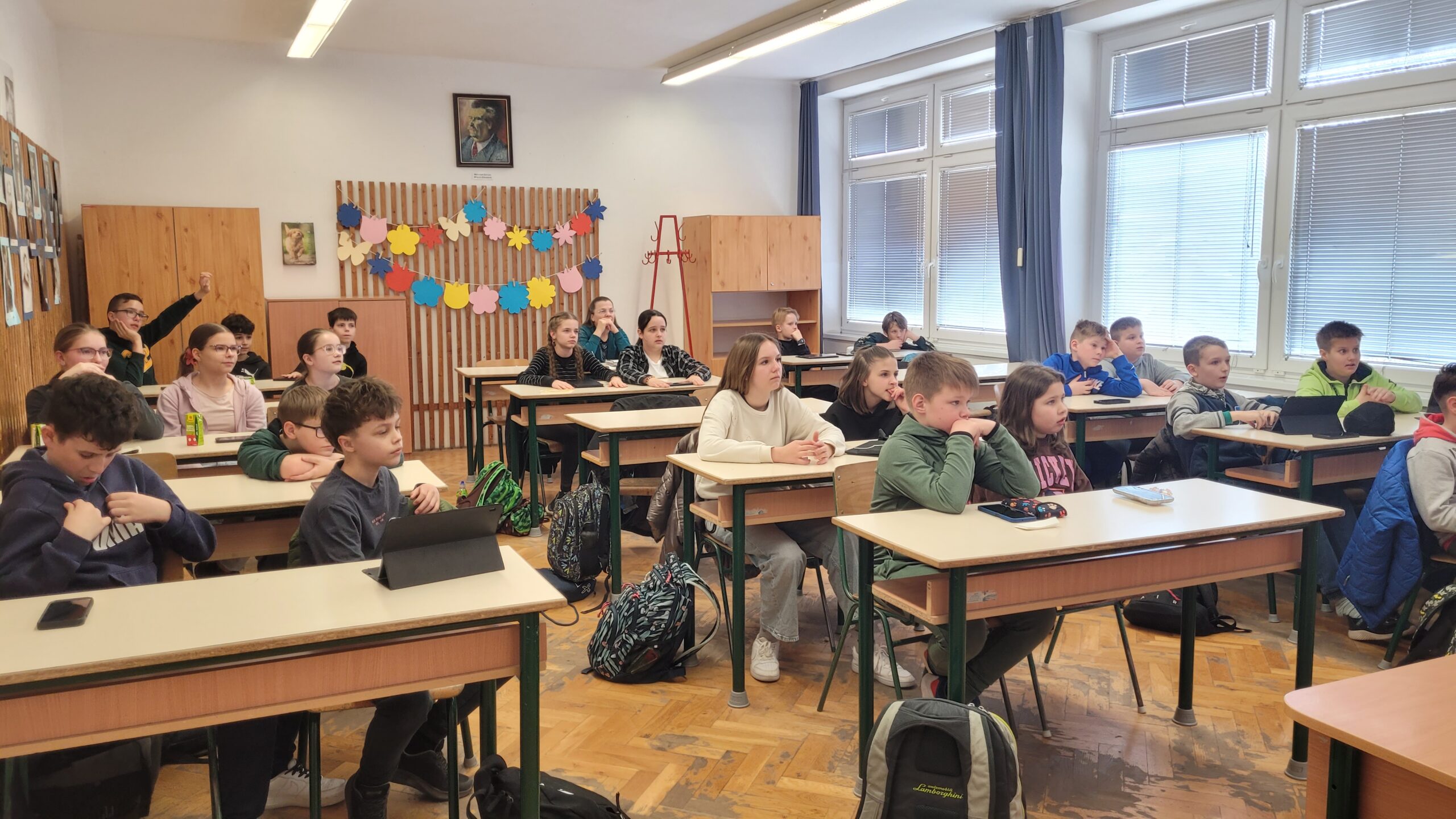
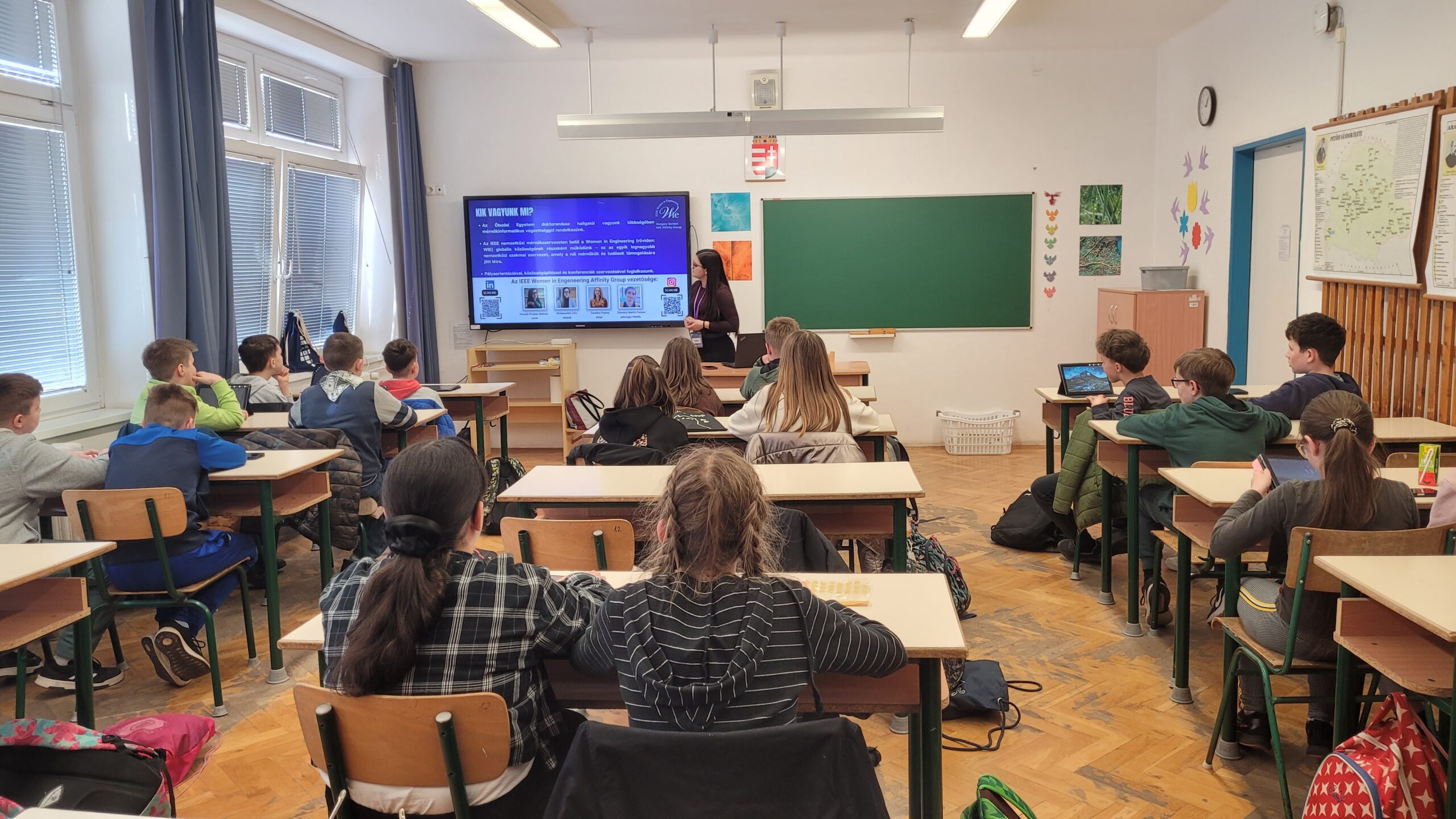
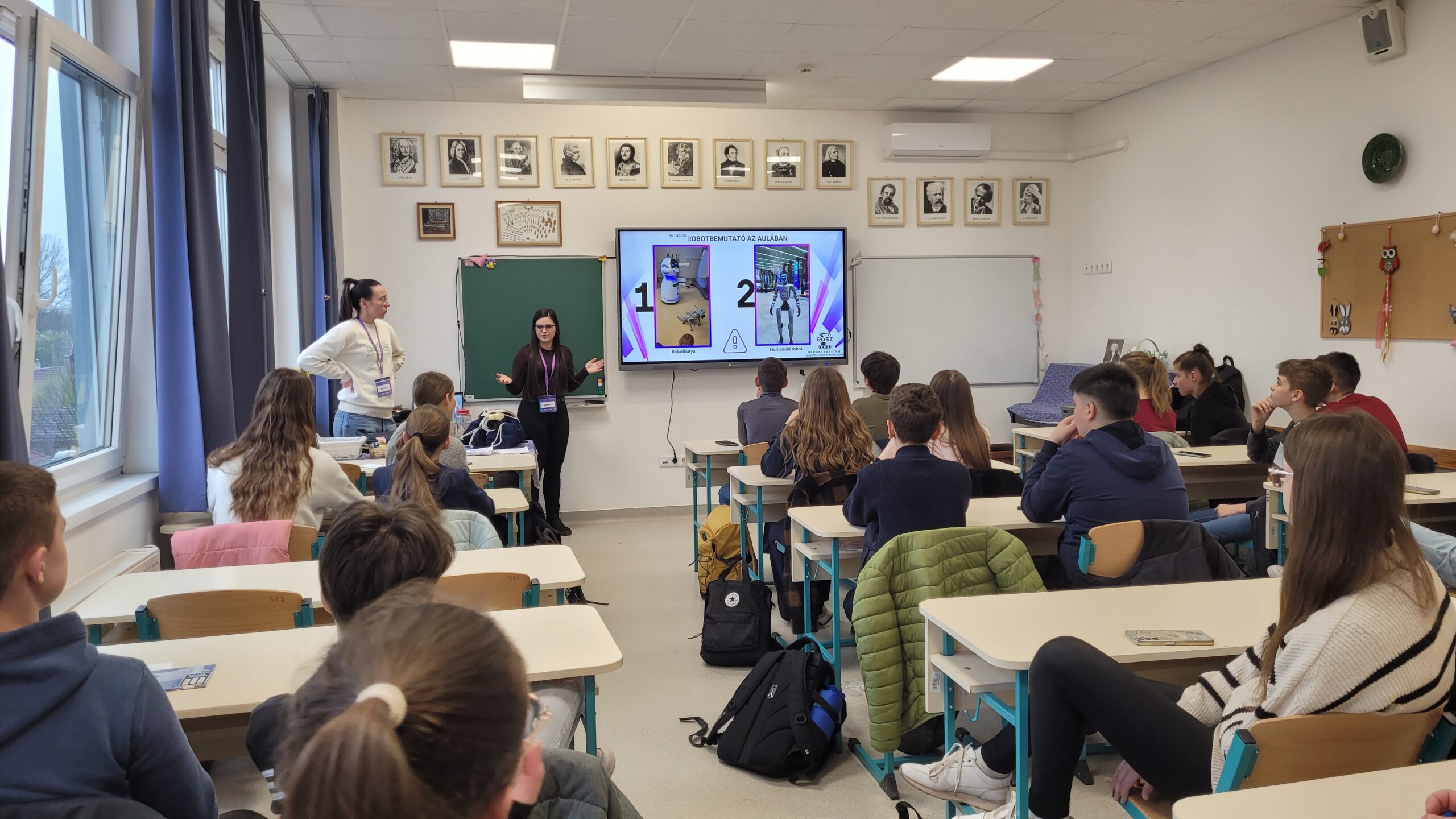
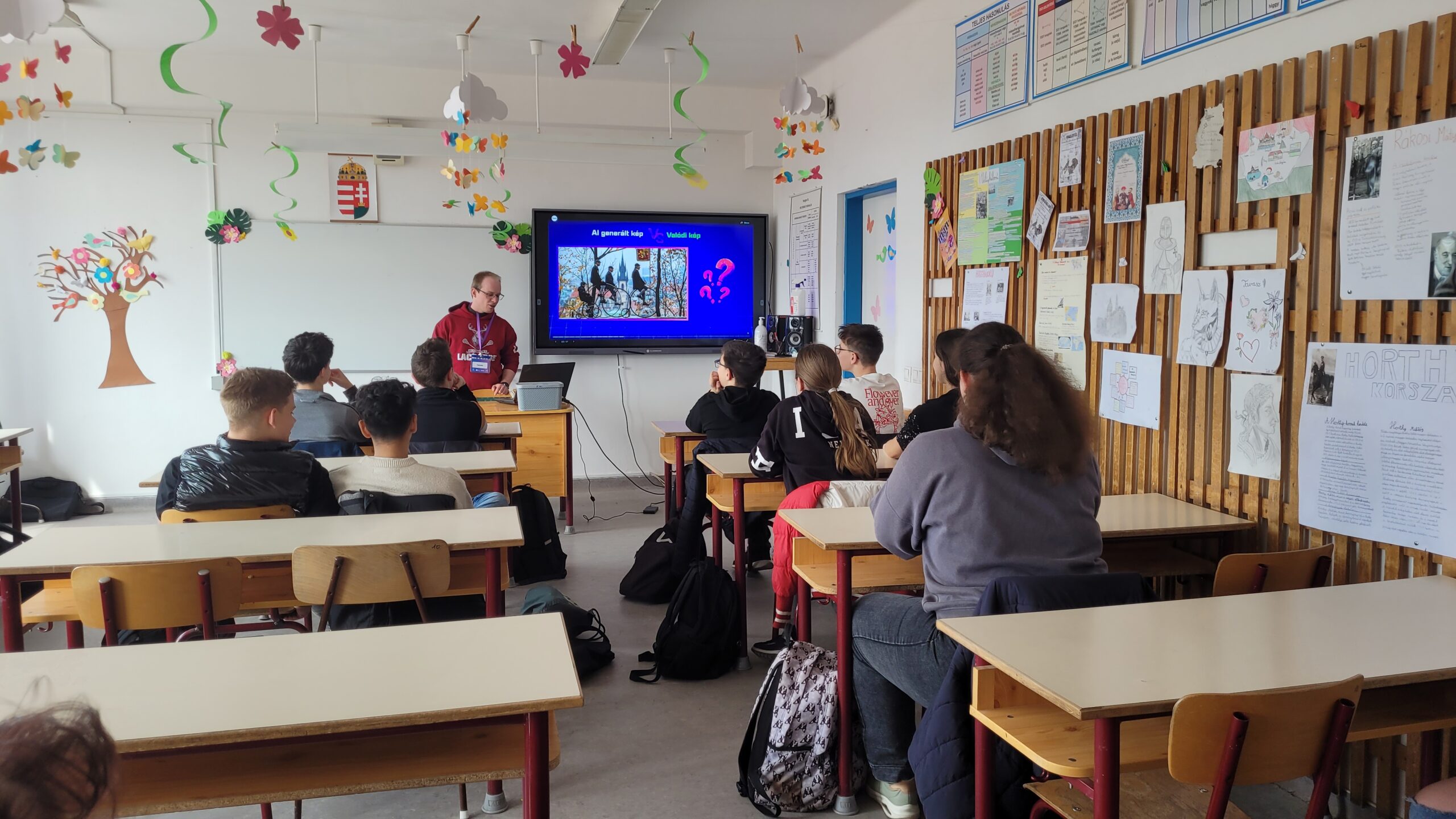
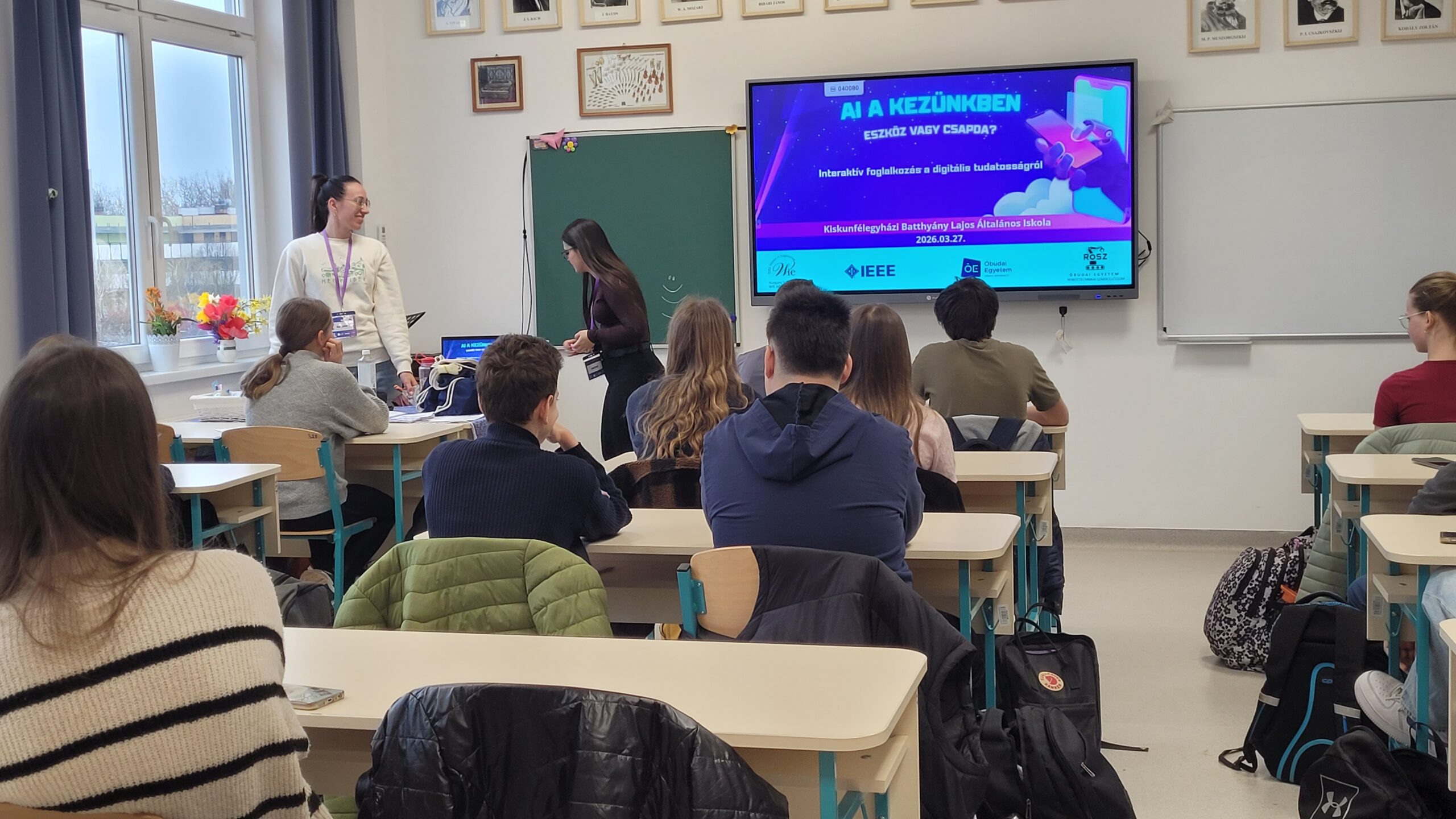
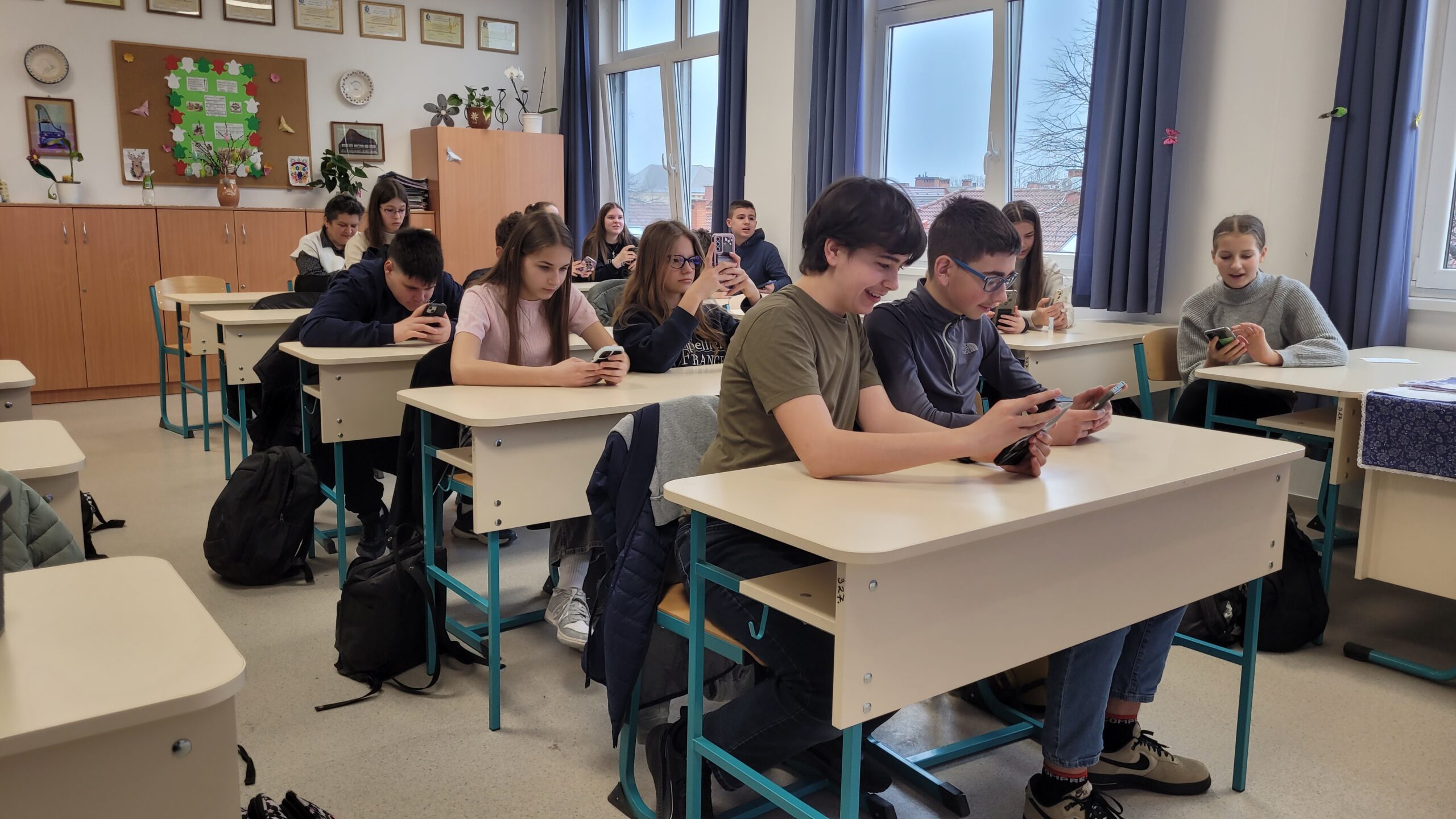
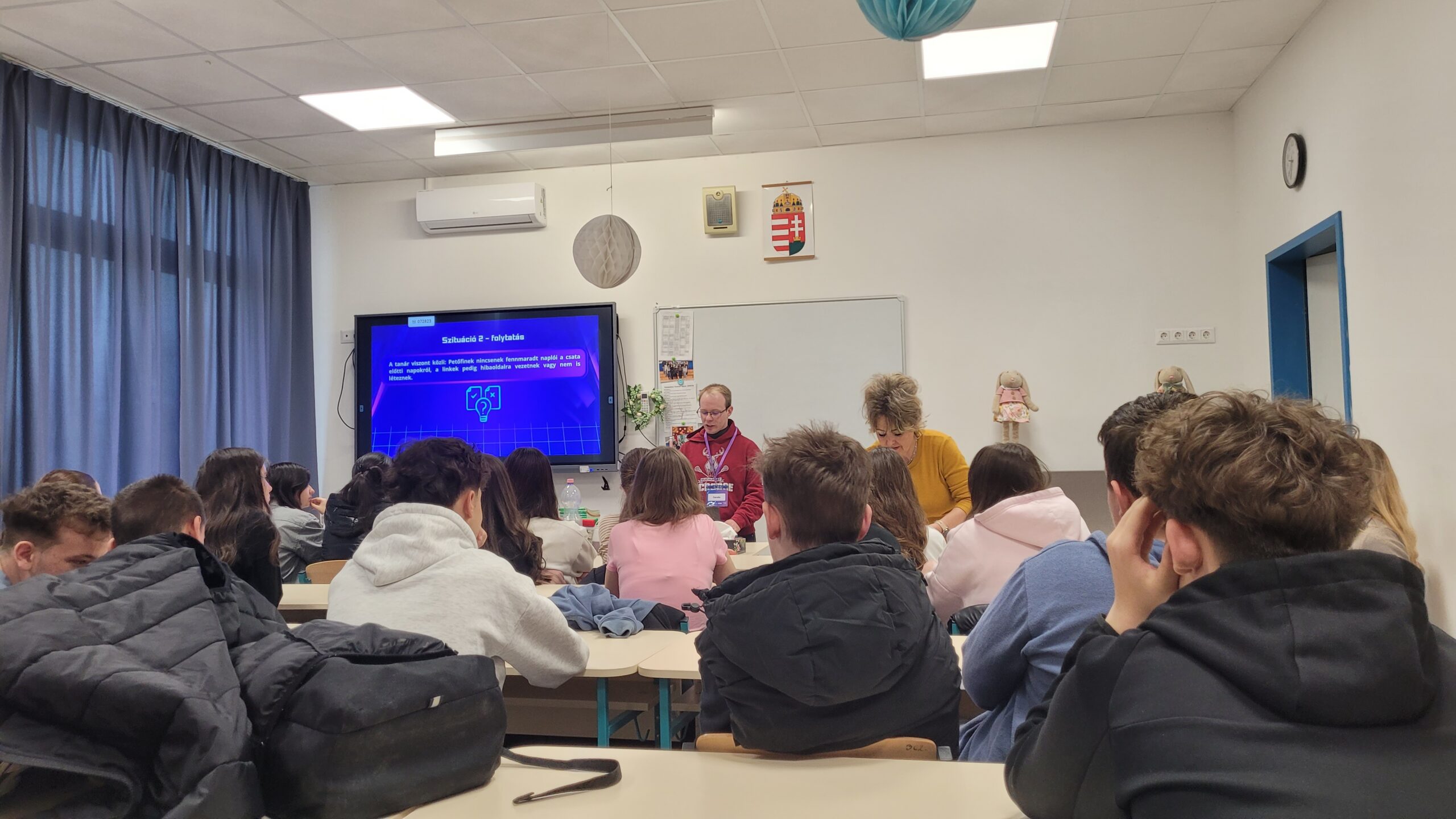
On March 27, 2026, our educational day titled “AI in Your Hands: Tool or Trap?” was held at the Batthyány Lajos Primary School in Kiskunfélegyháza. The goal of the program was to bring the world of artificial intelligence and robotics closer to students through interactive sessions and practical demonstrations, while highlighting the vital importance of digital awareness.
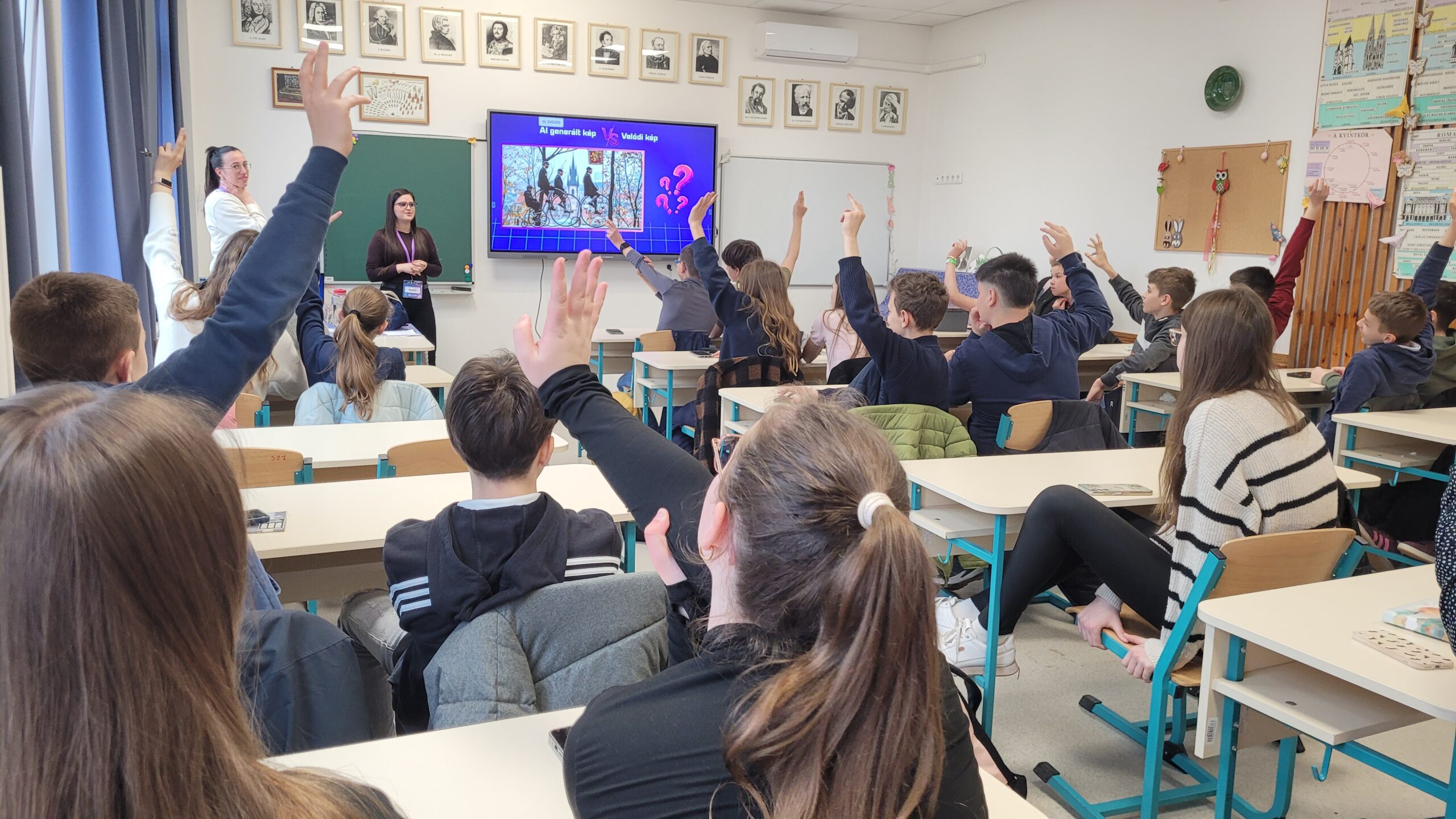
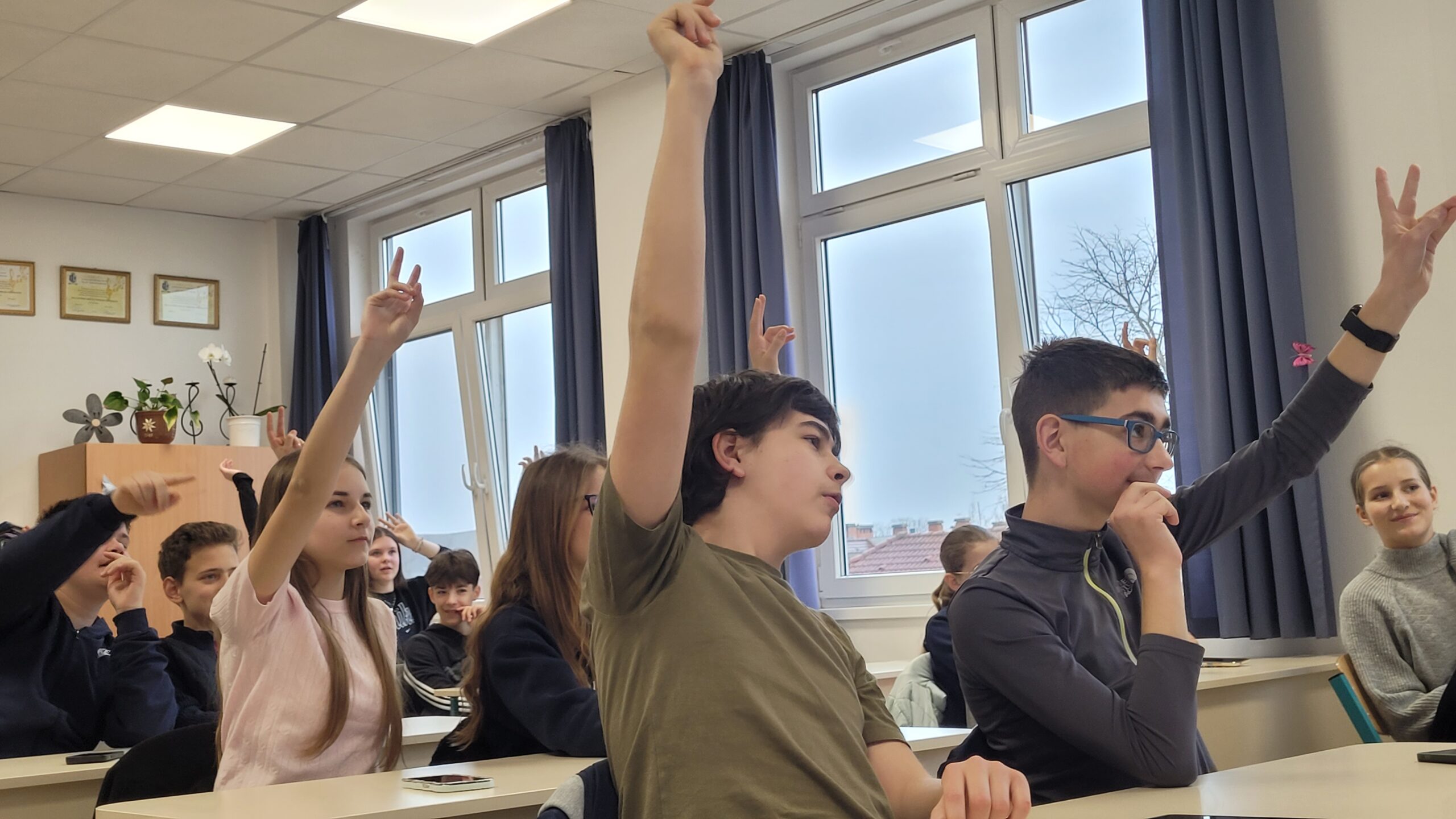
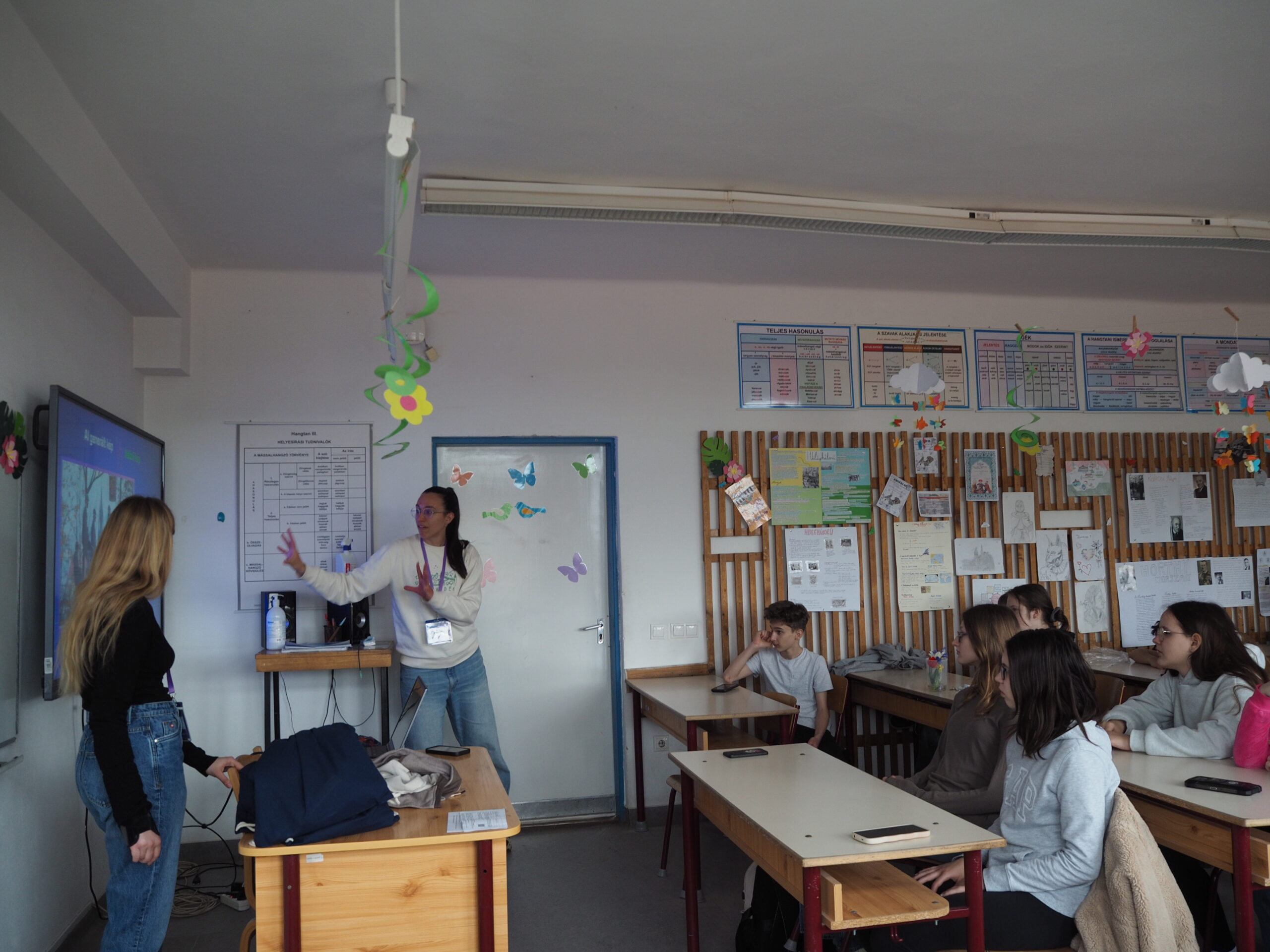
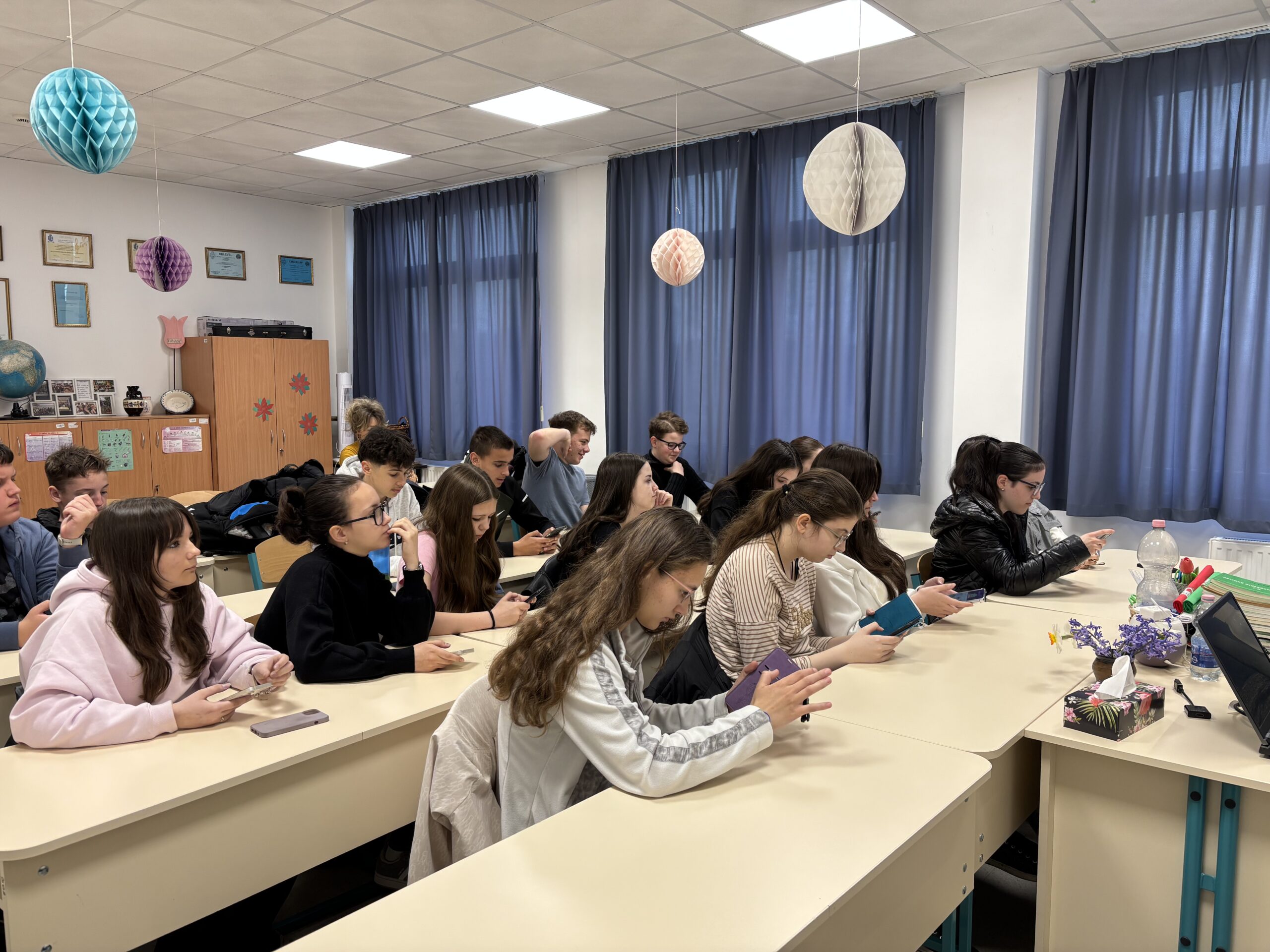
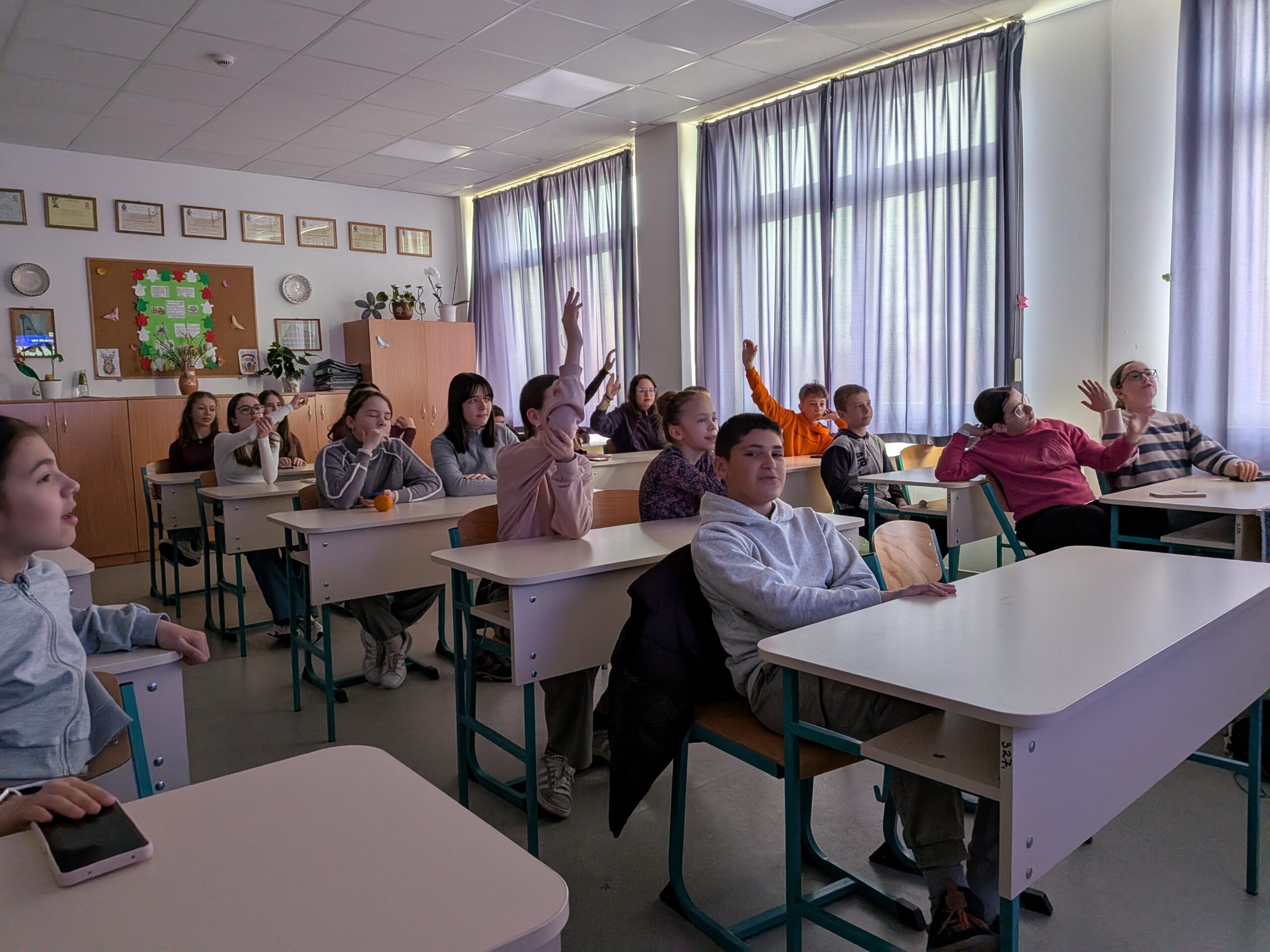
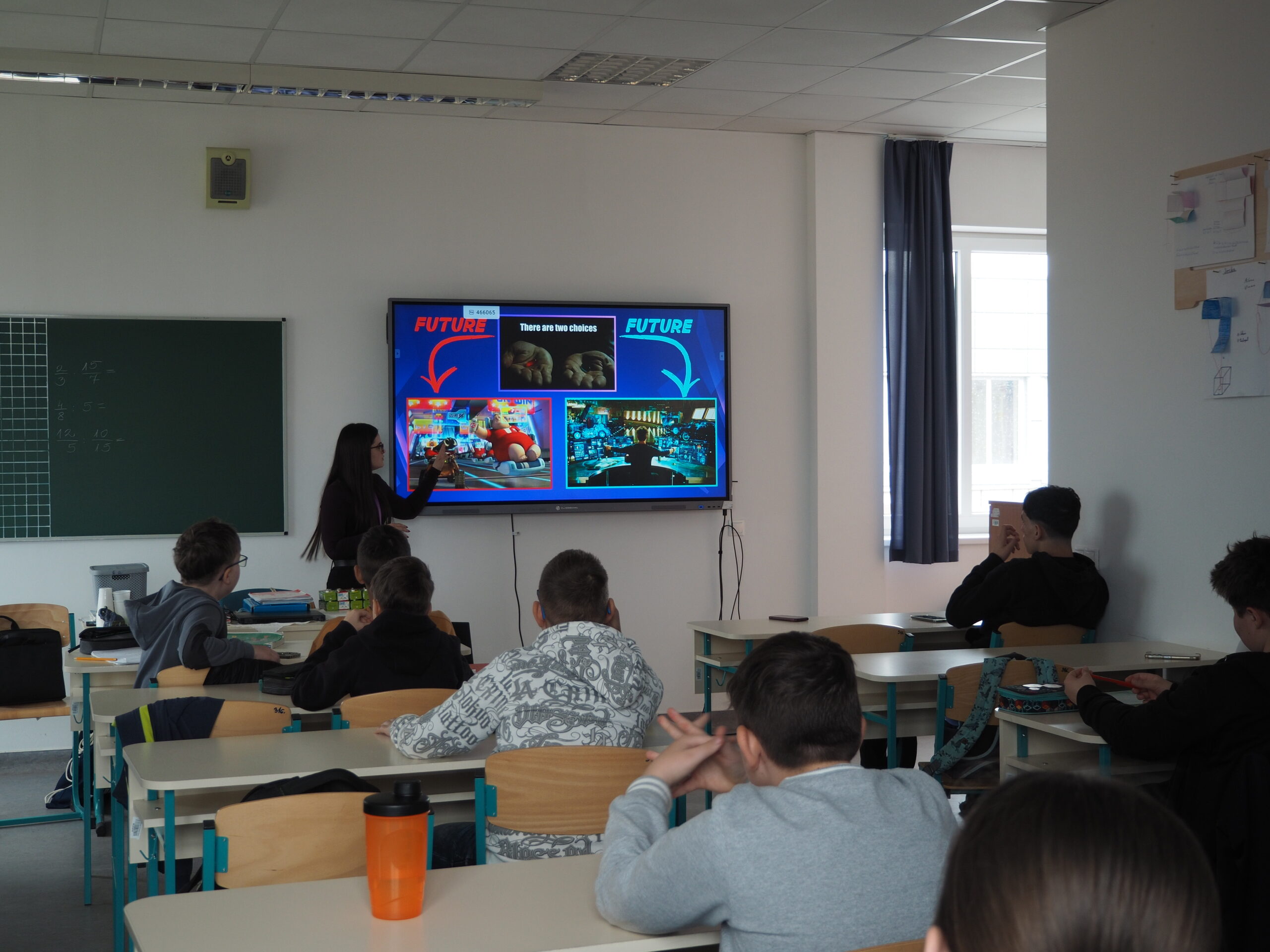
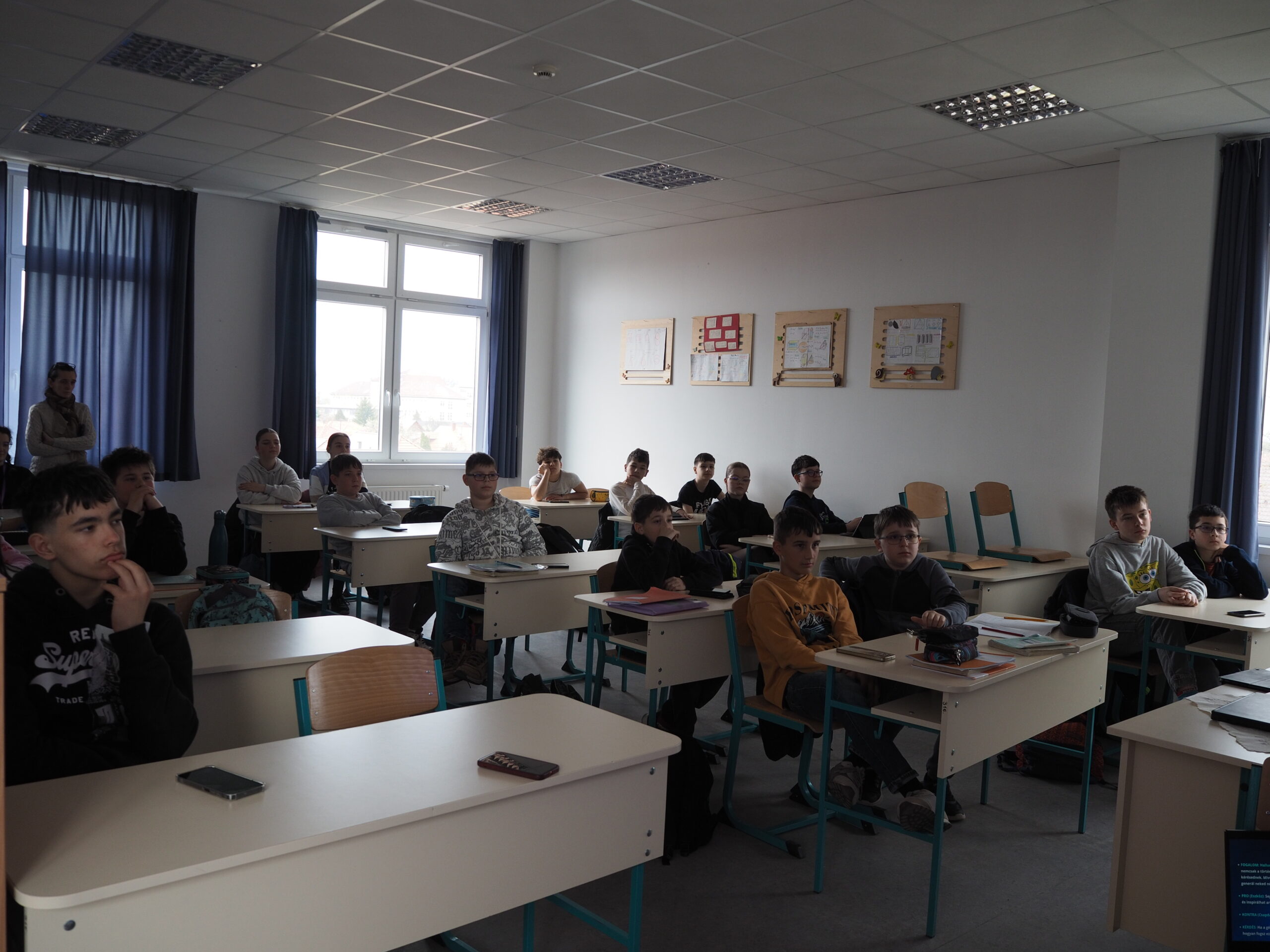
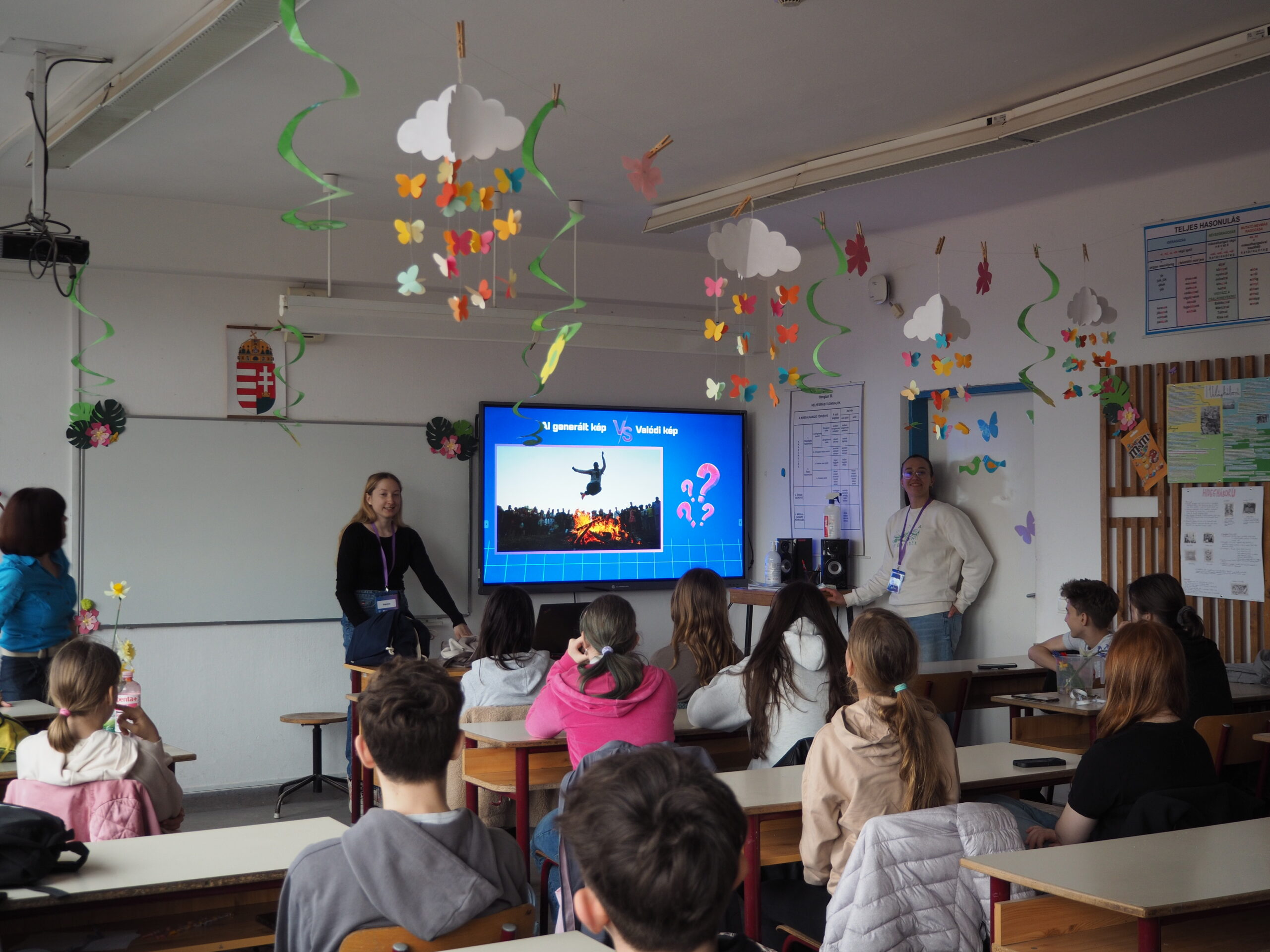
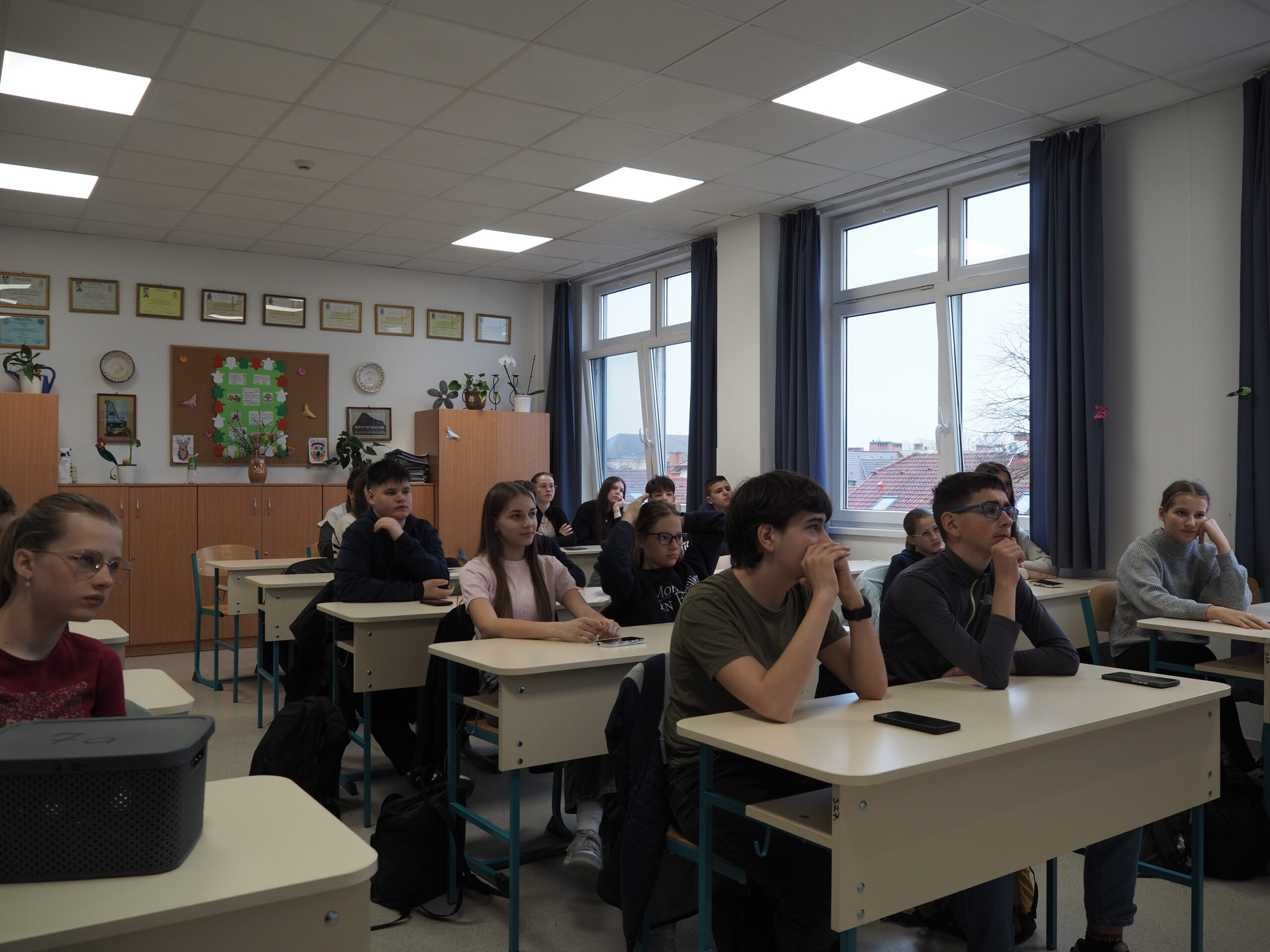
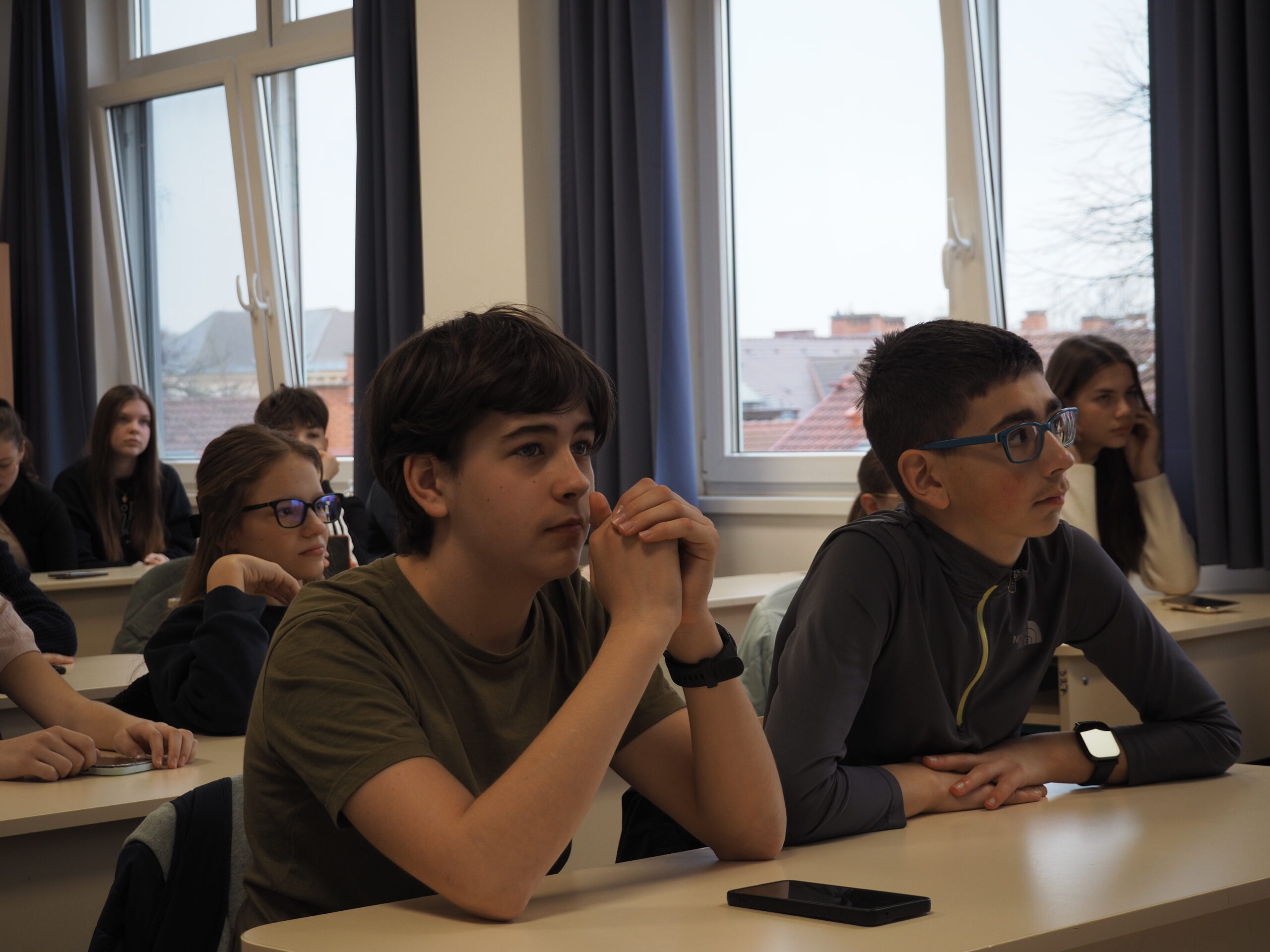
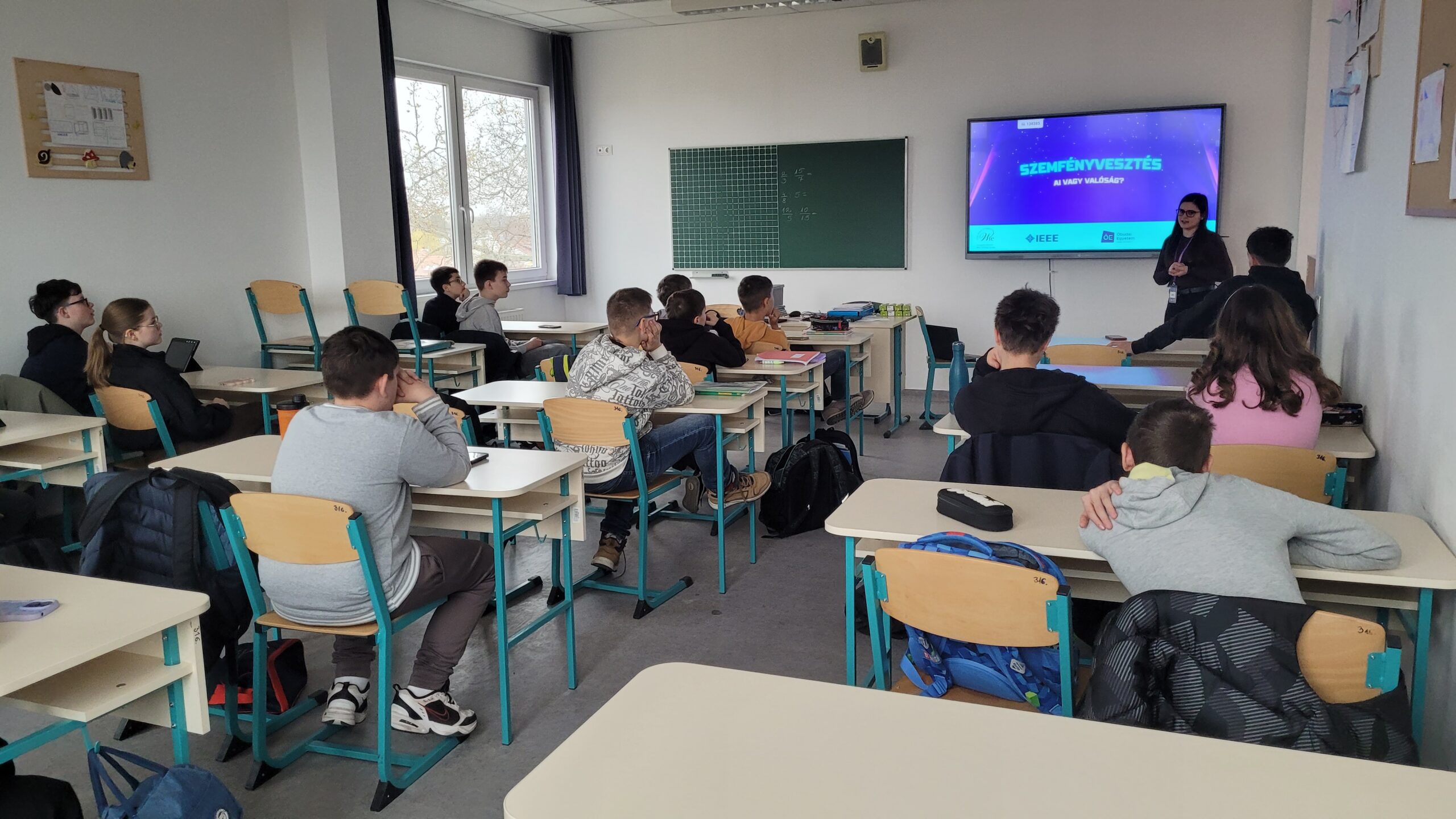
During the event, participants took part in parallel workshops exploring the most pressing modern technological questions:
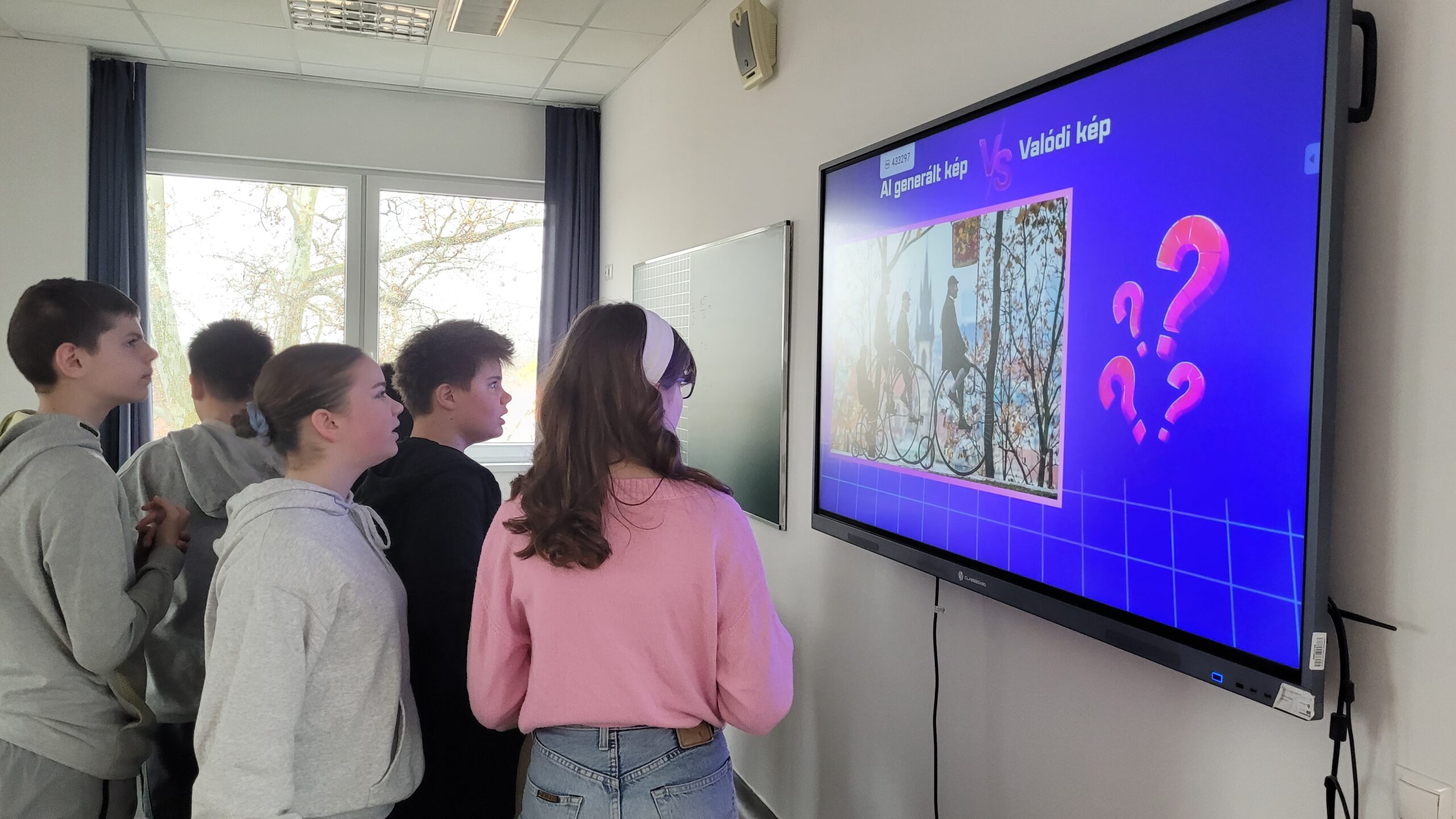
- Students learned how to recognize AI-generated content and why critical thinking is essential when using social media.
- They gained insight into how major tech platforms curate content and learned how to avoid the traps of digital echo chambers (filter bubbles).
- The limitations of Large Language Models (LLMs) were clarified, explaining why AI cannot be considered an infallible source of information.
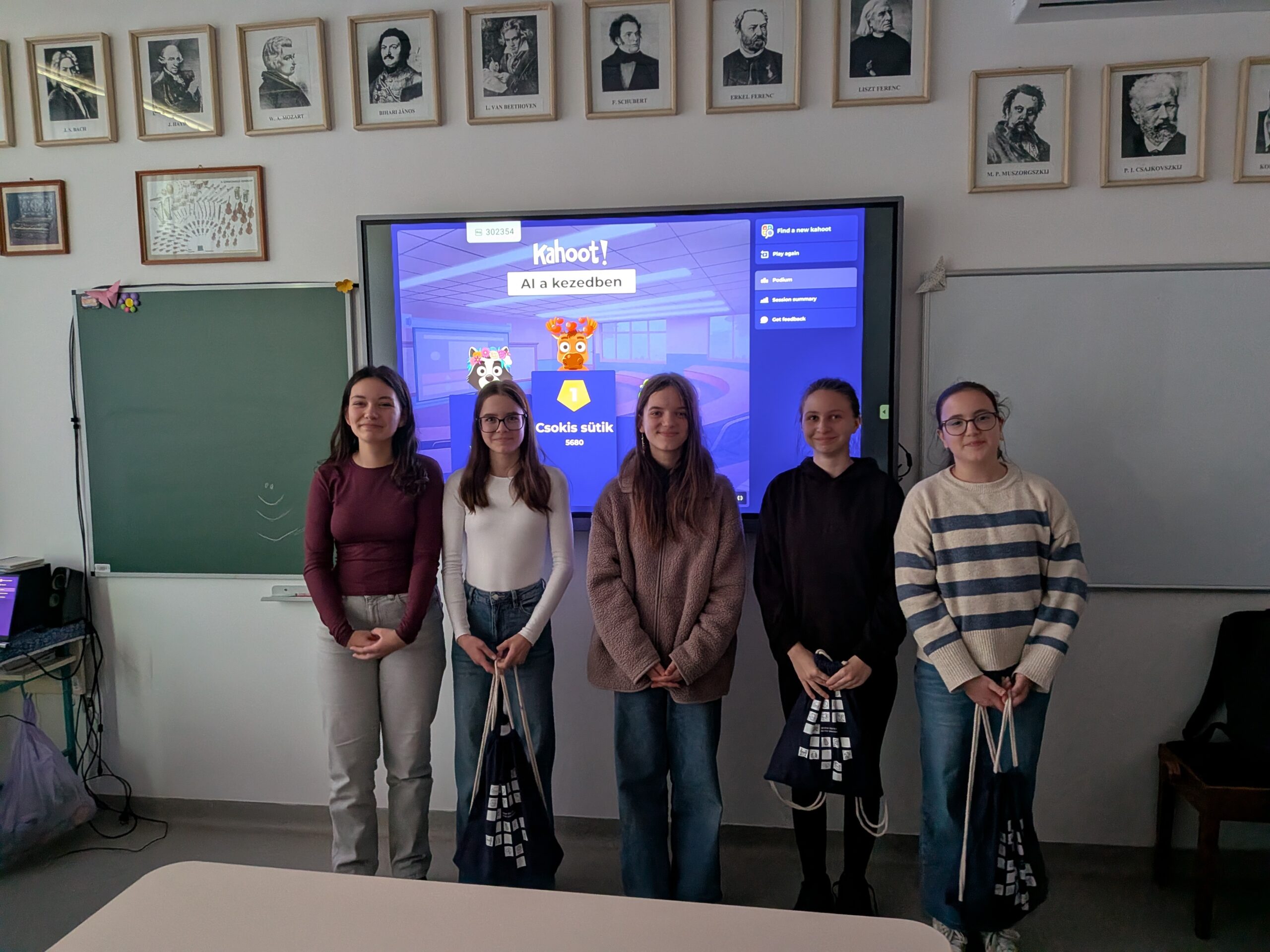
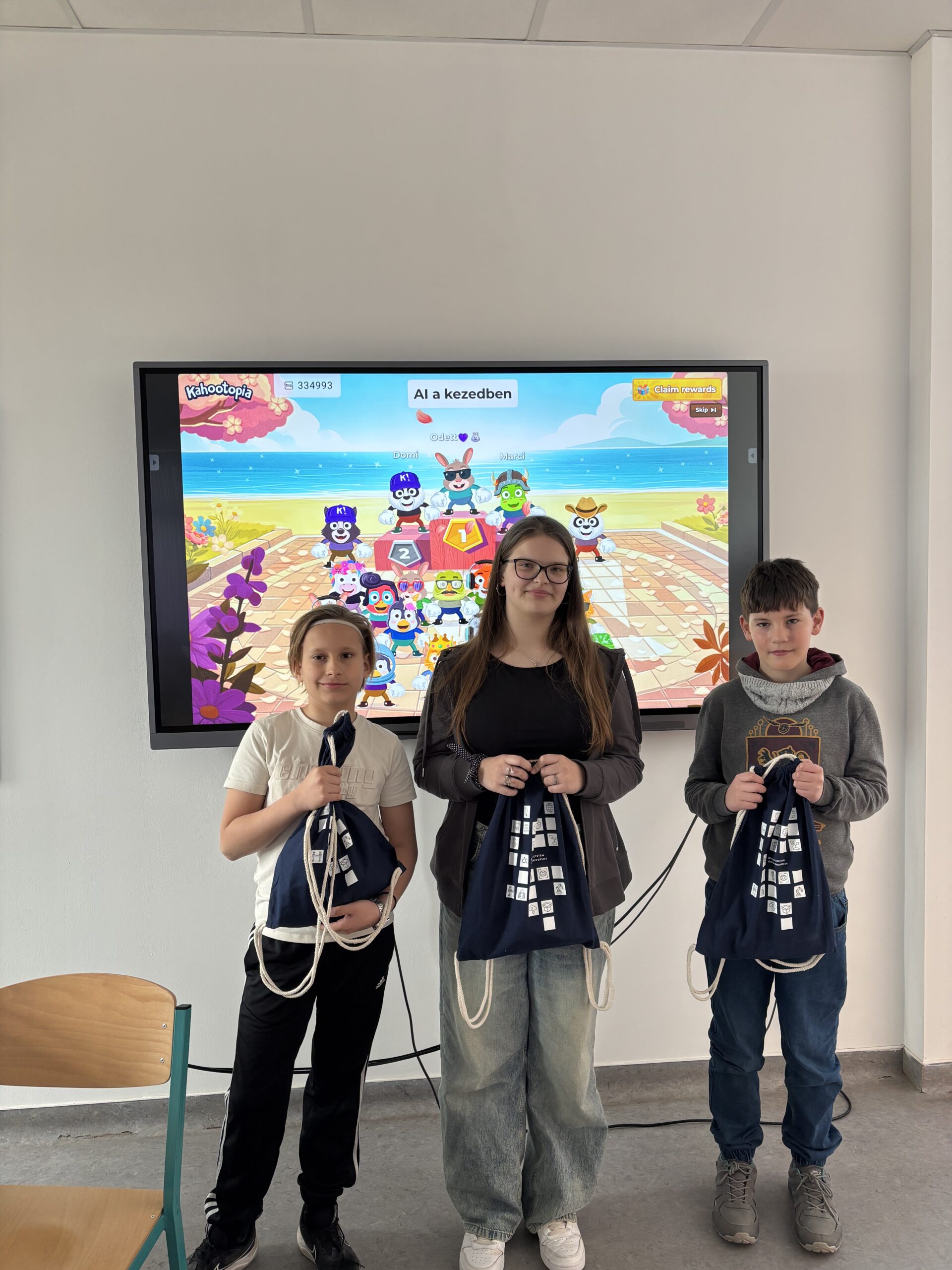
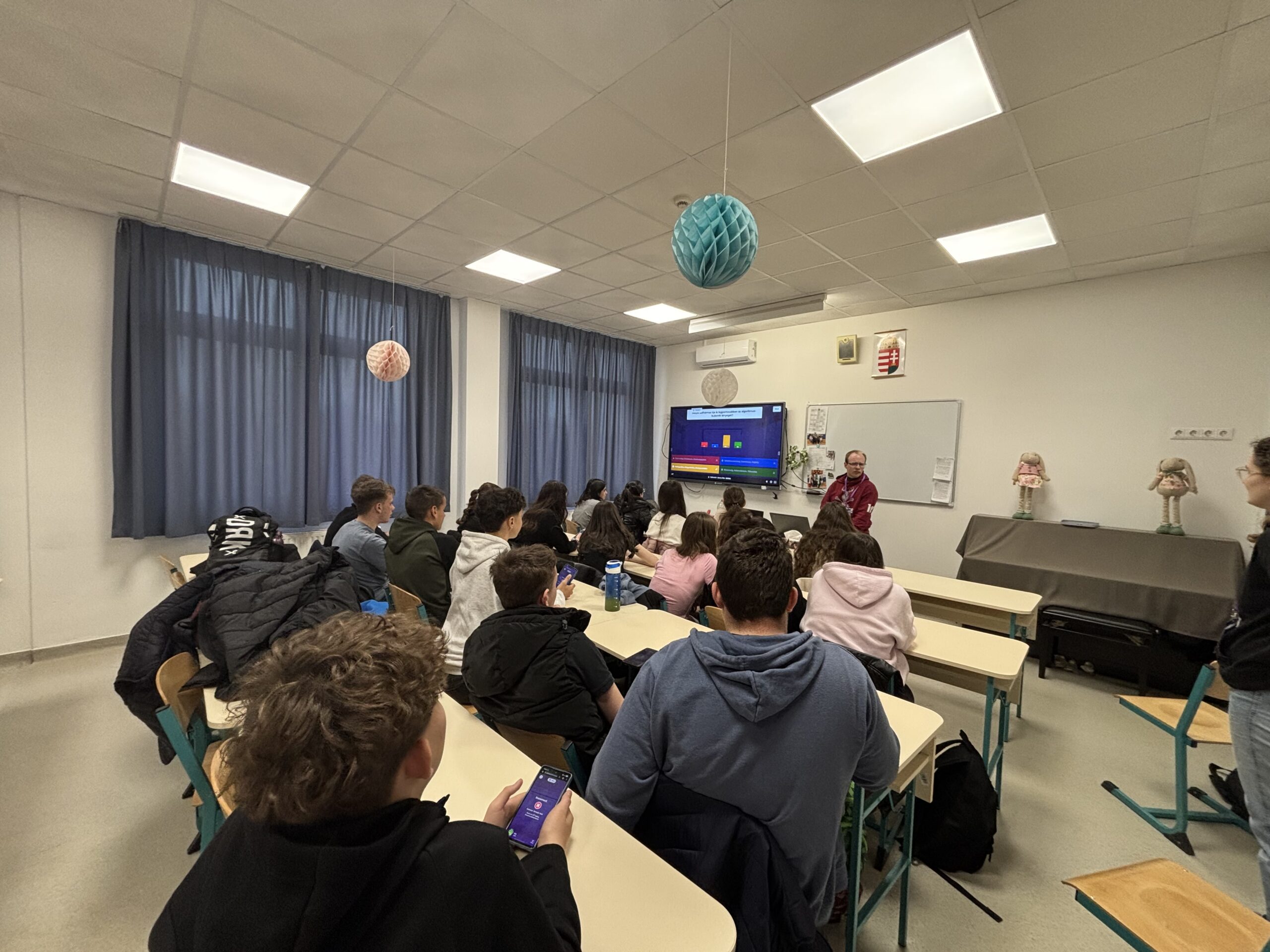
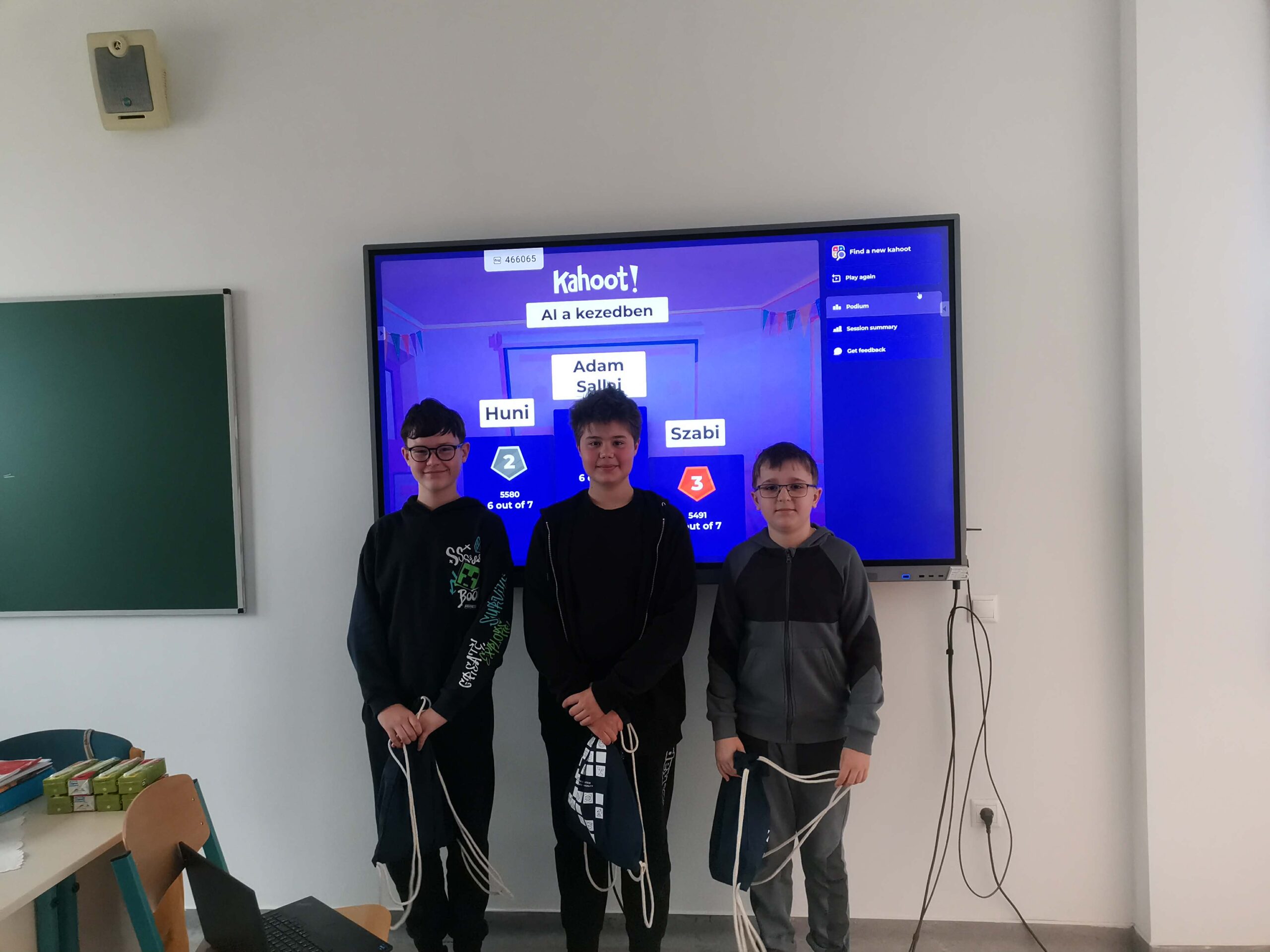
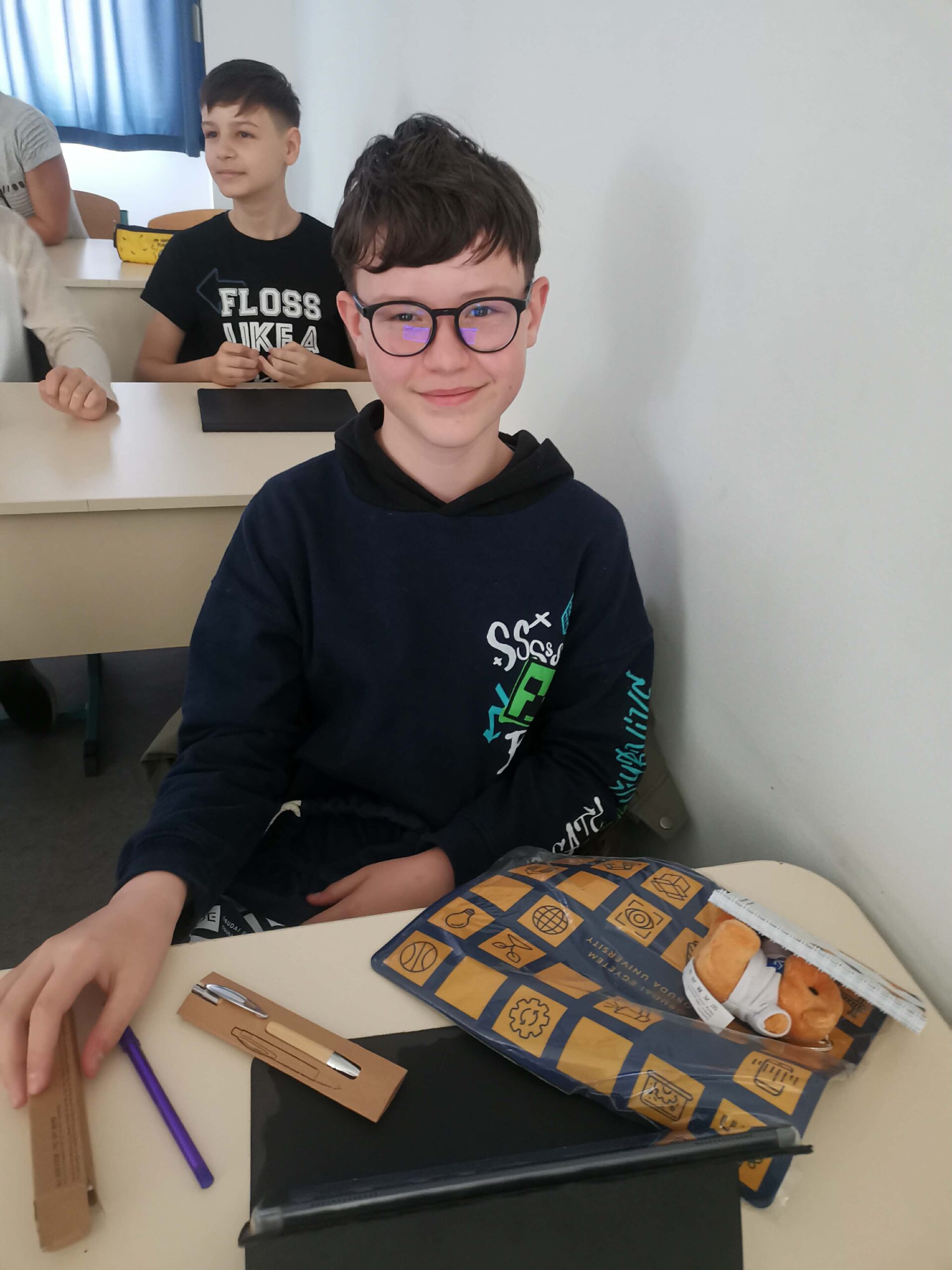
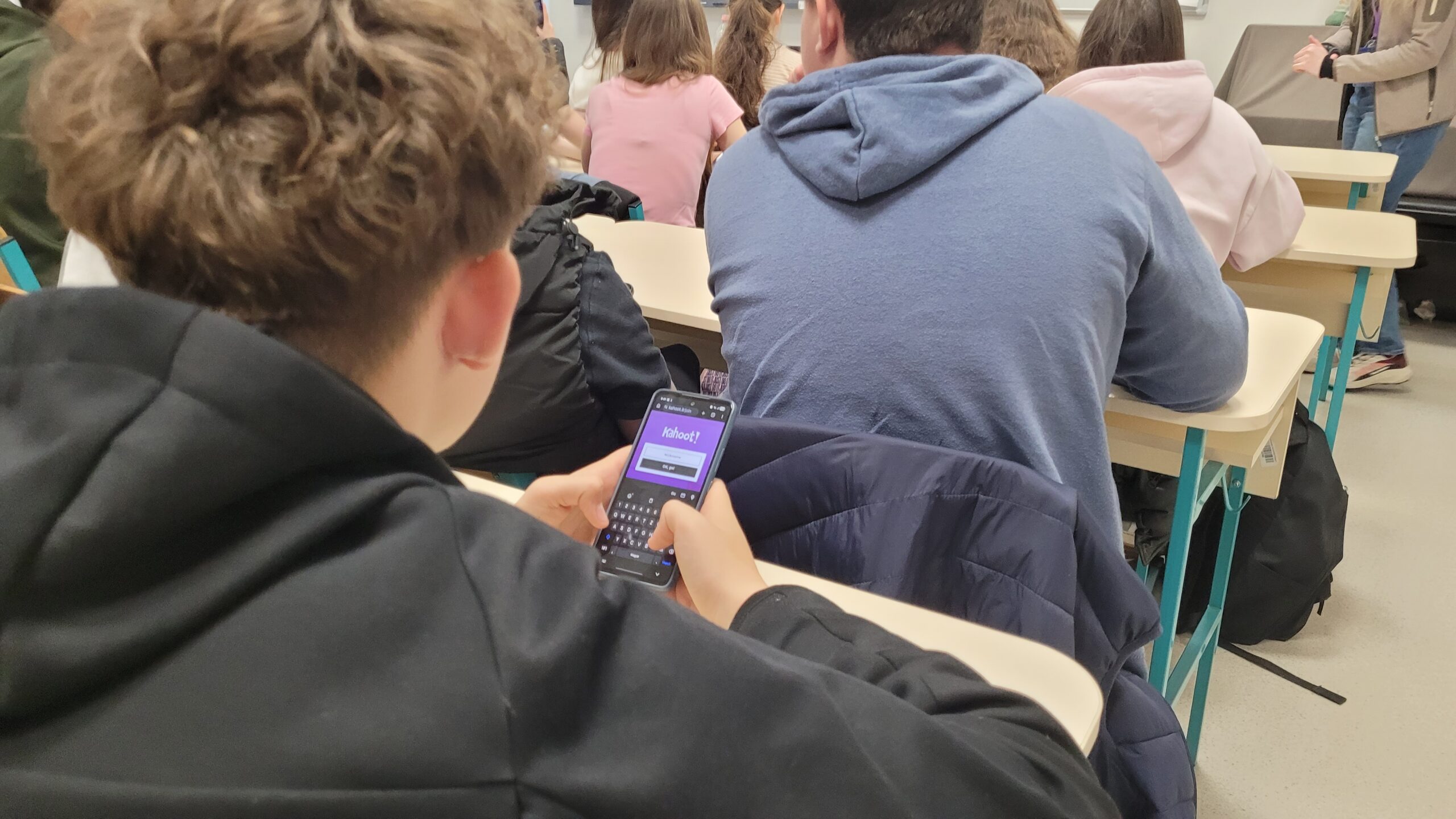
The sessions concluded with a quiz, where the fastest and most accurate participants won a total of 24 prize packages. These featured gifts provided by Obuda University, Obuda University Robotics Research Team (OU-RRT) and the IEEE Hungary Section Women in Engineering Affinity Group (IEEE HS WIE AG).
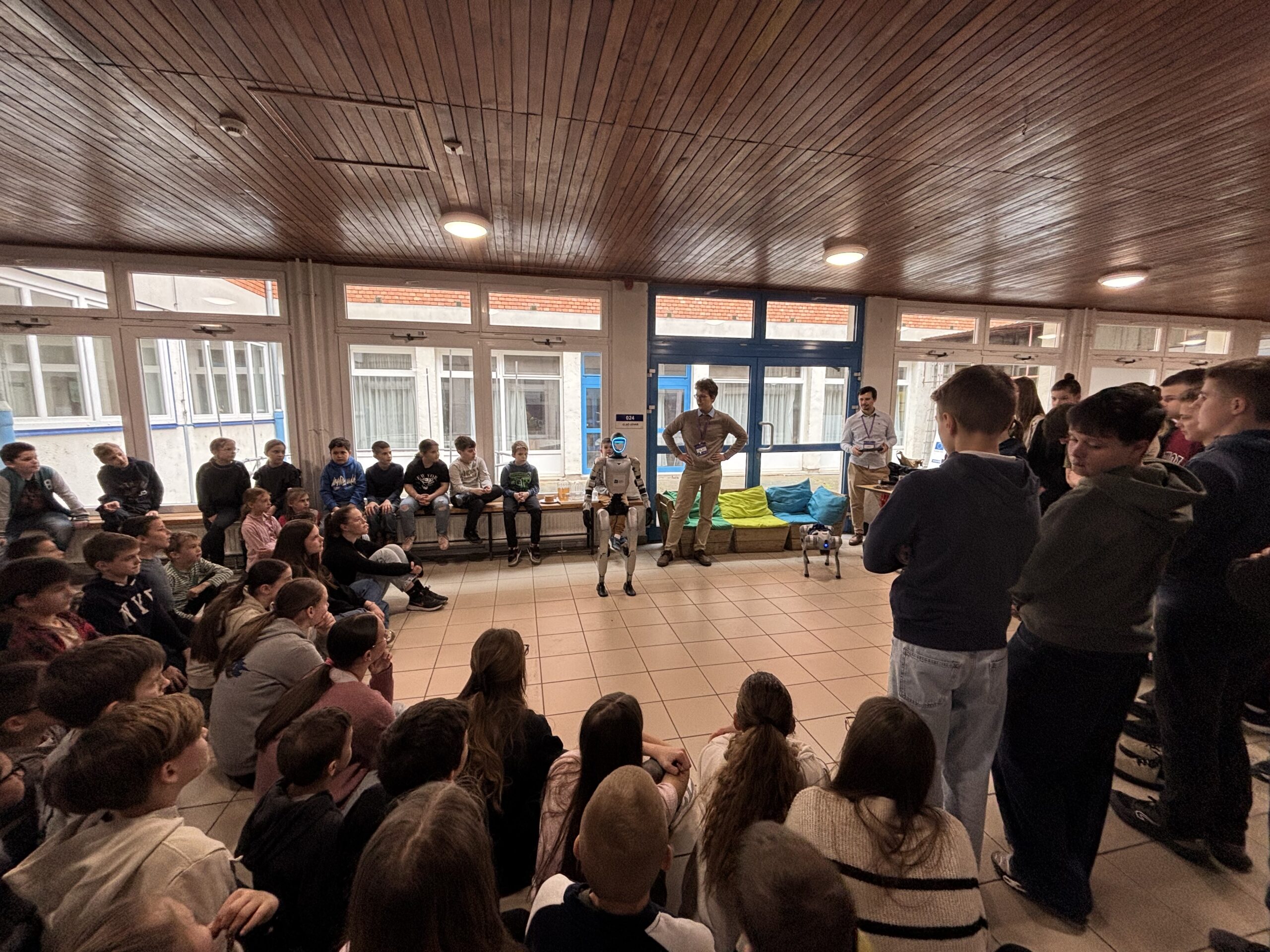
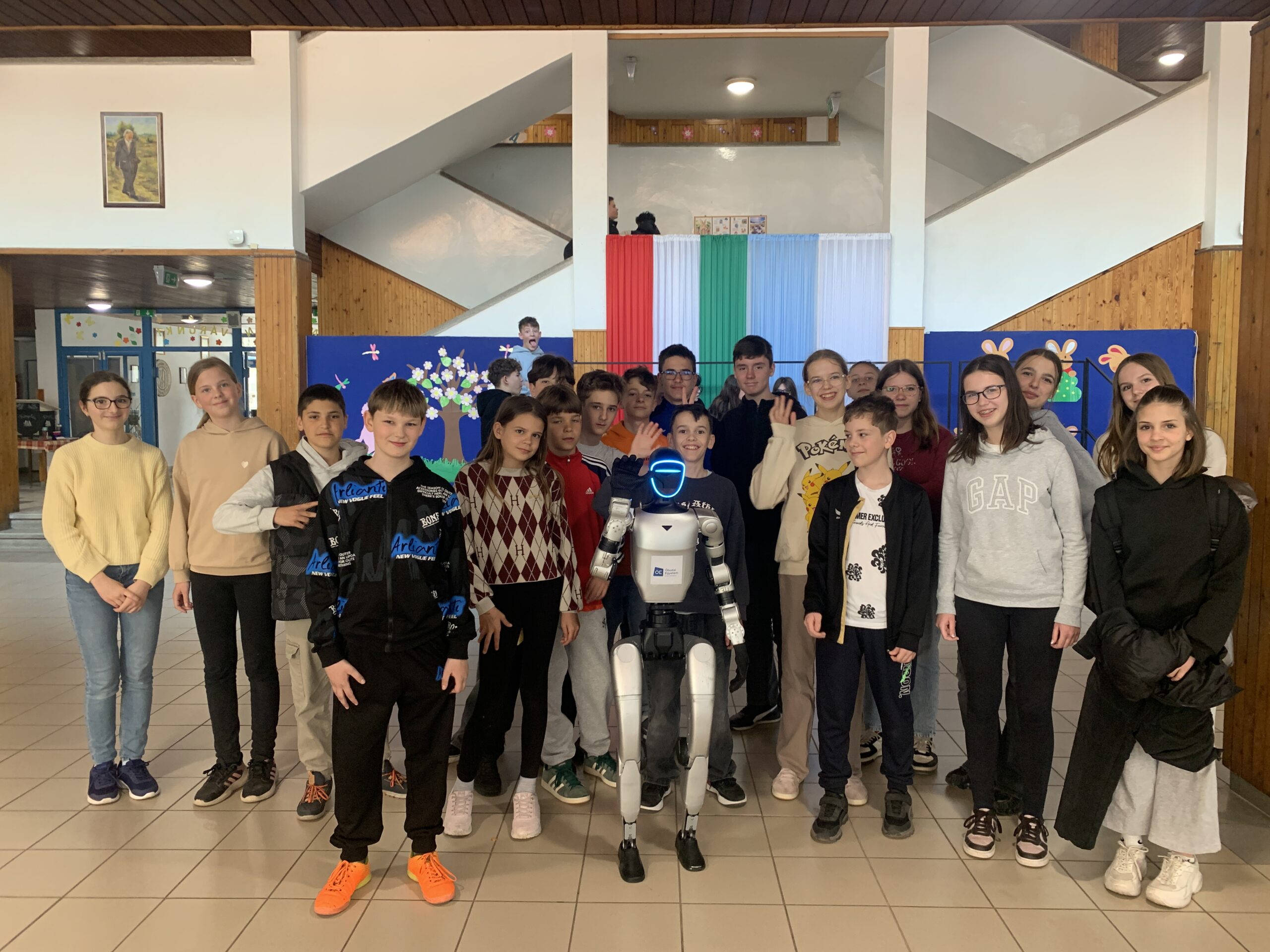
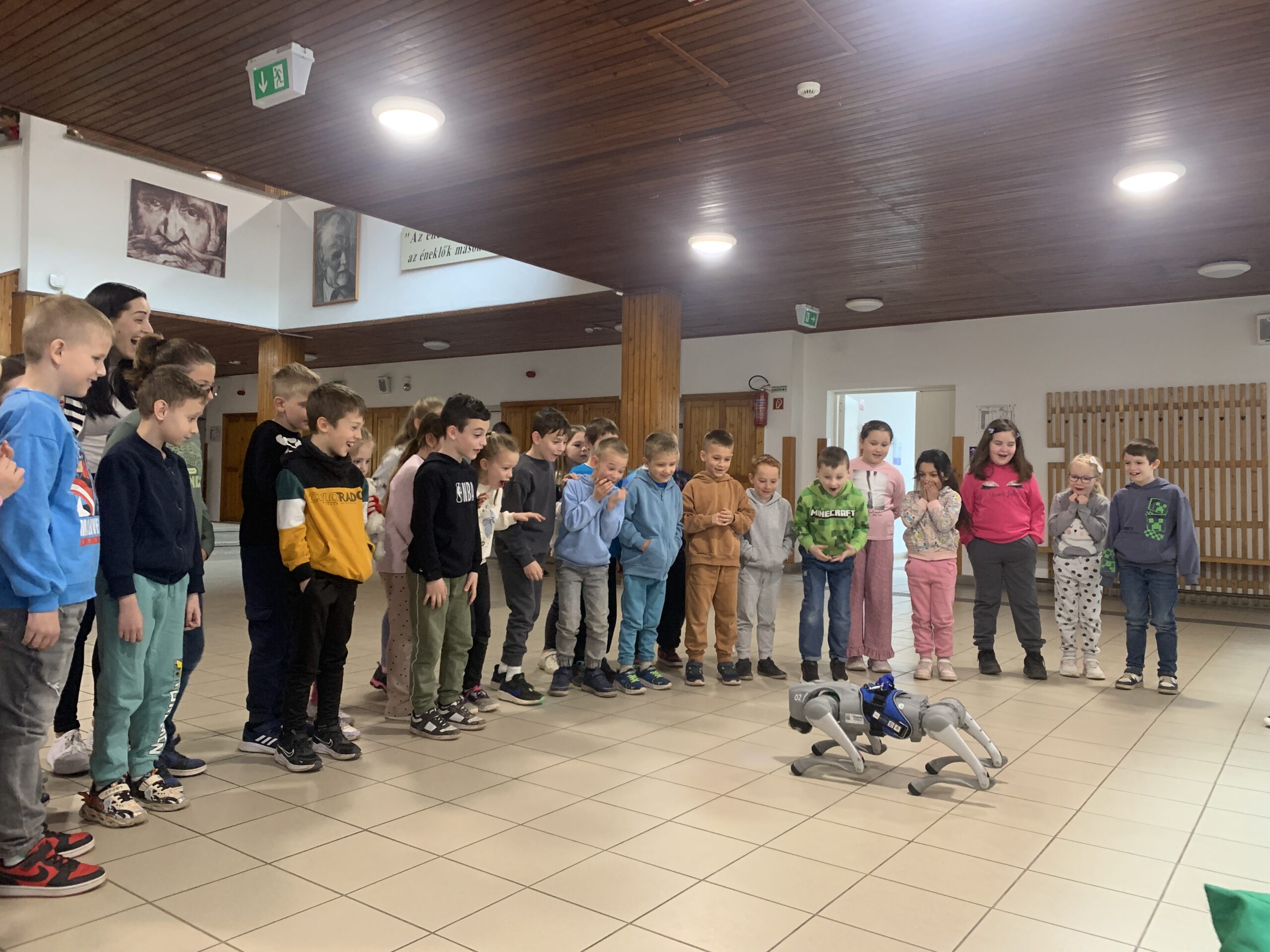
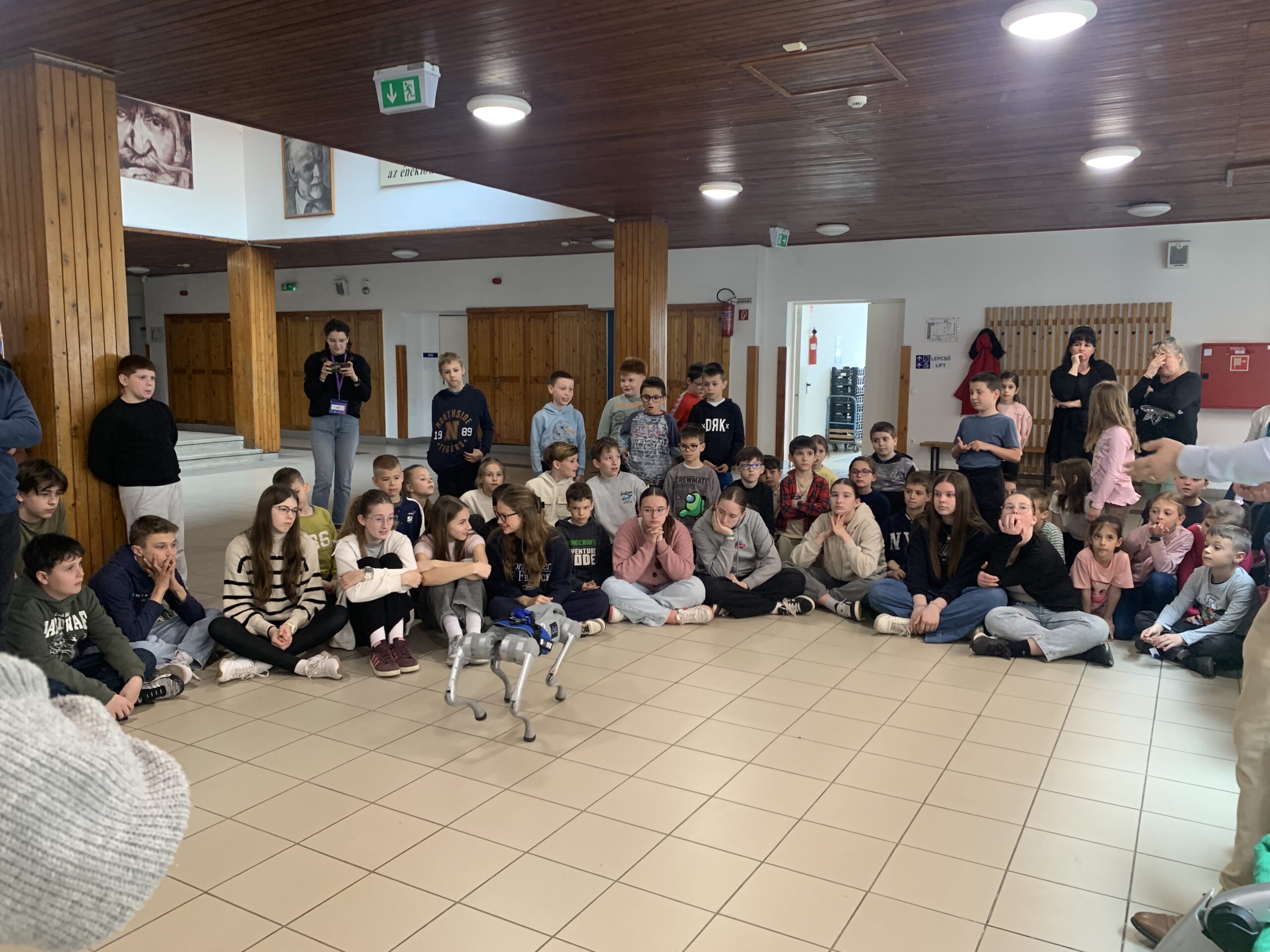
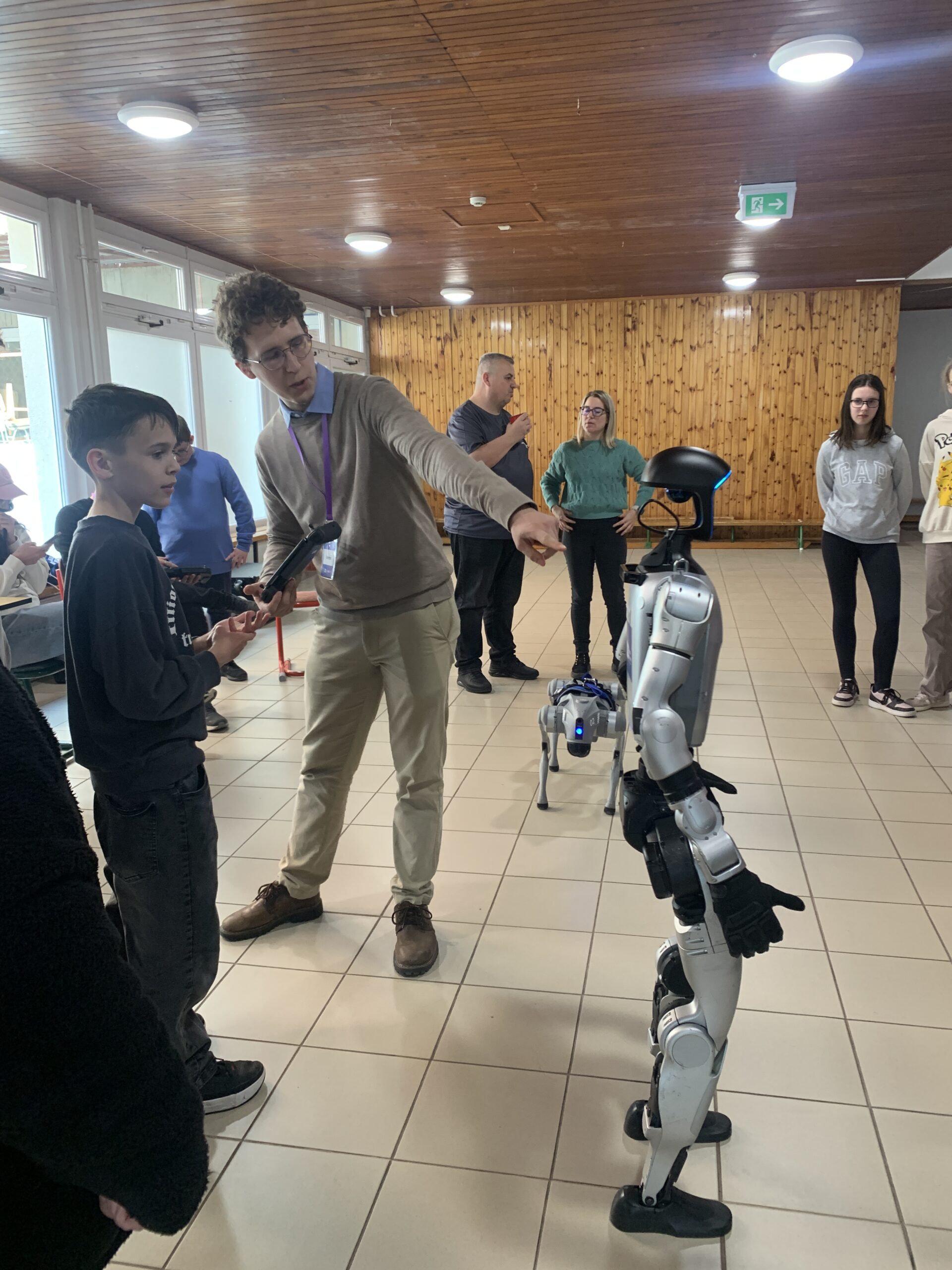
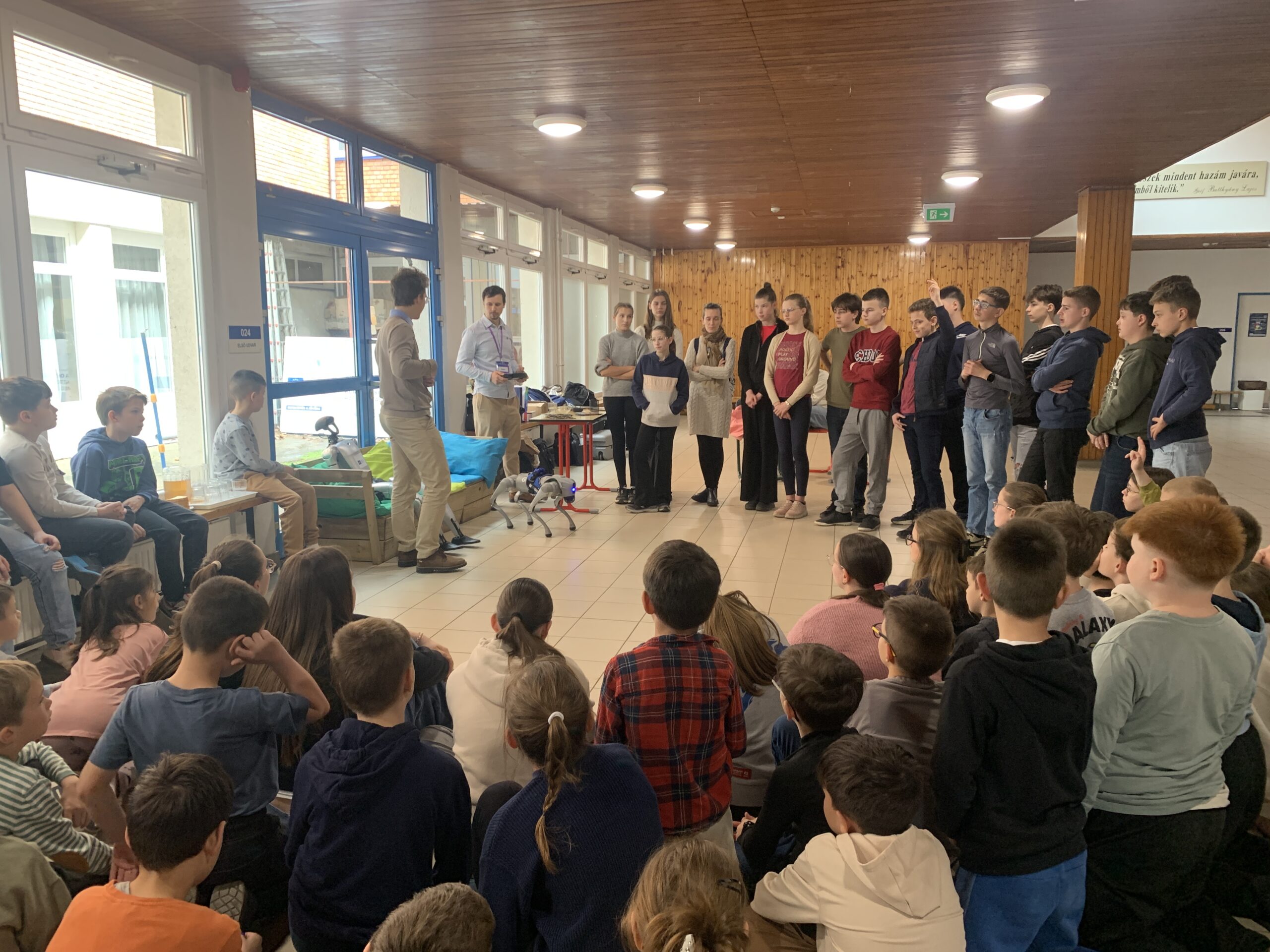
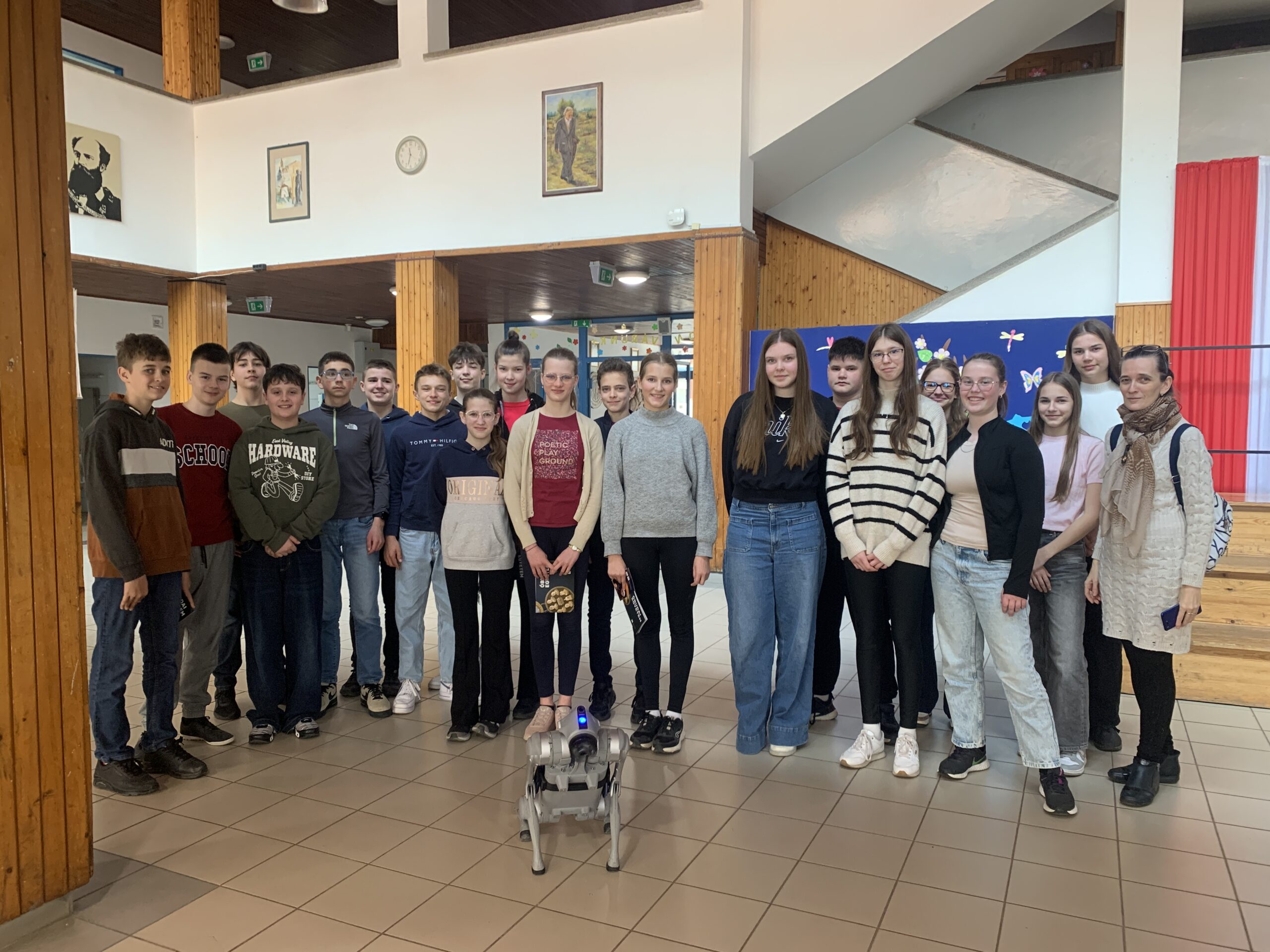
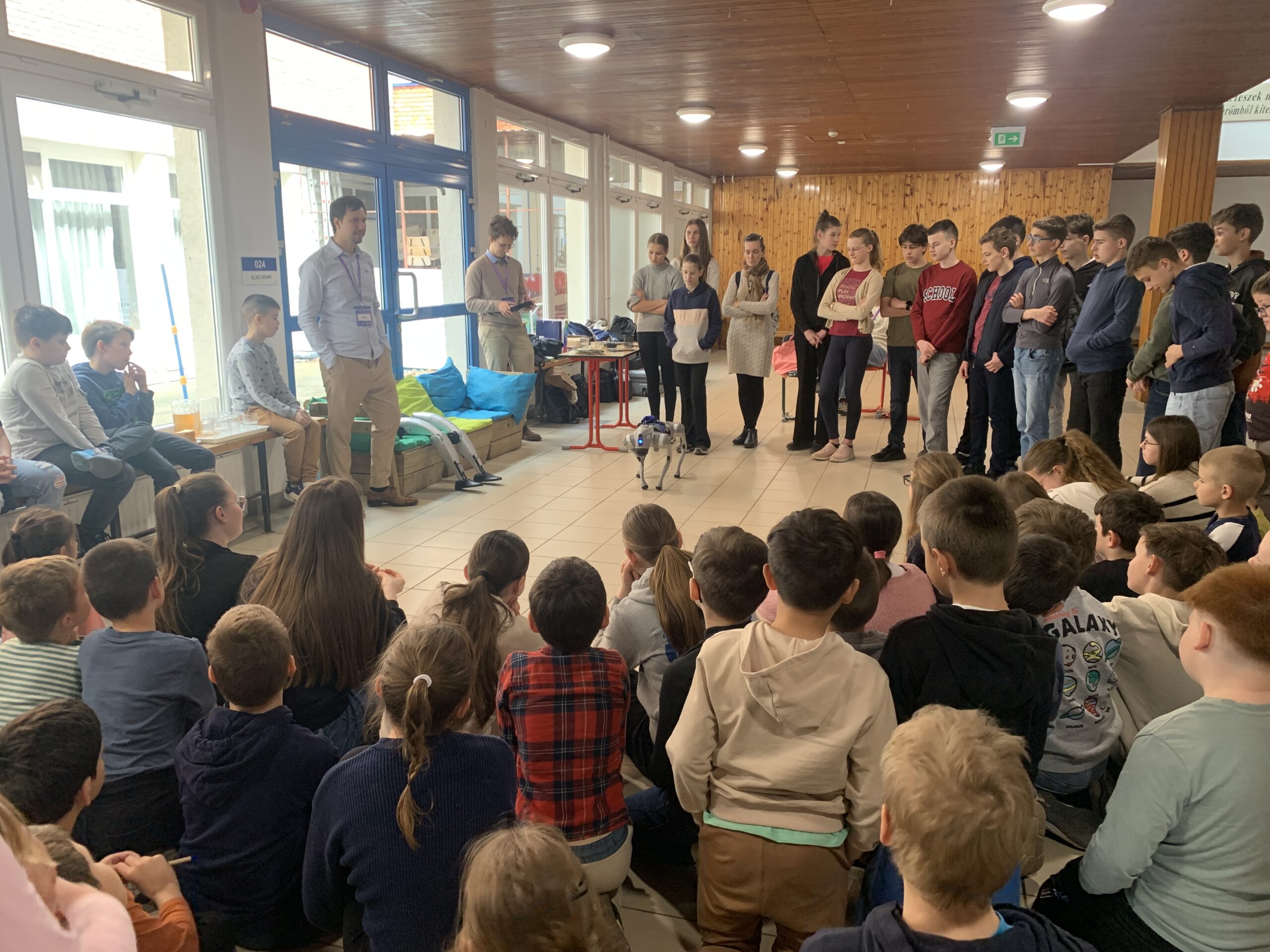
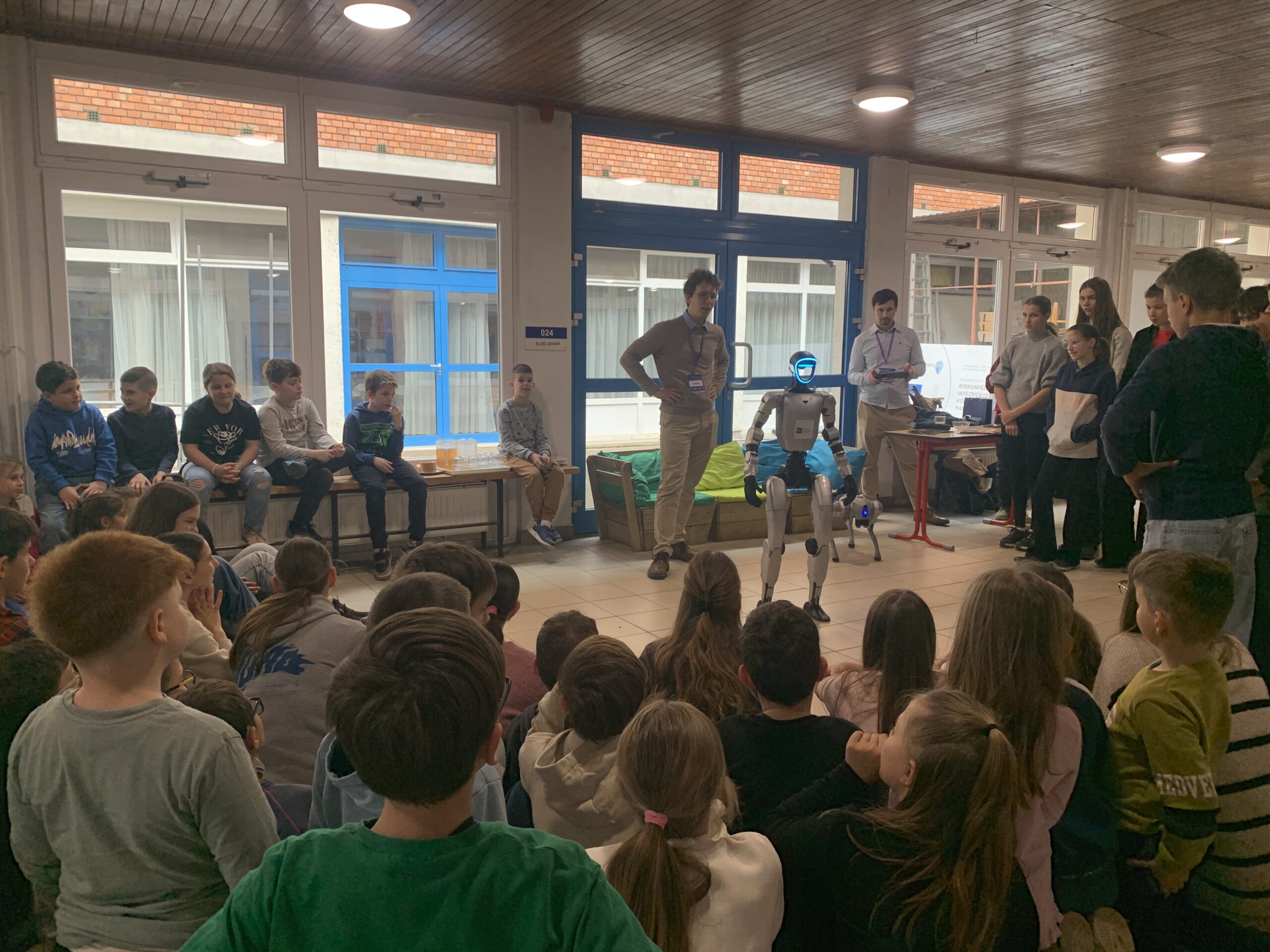
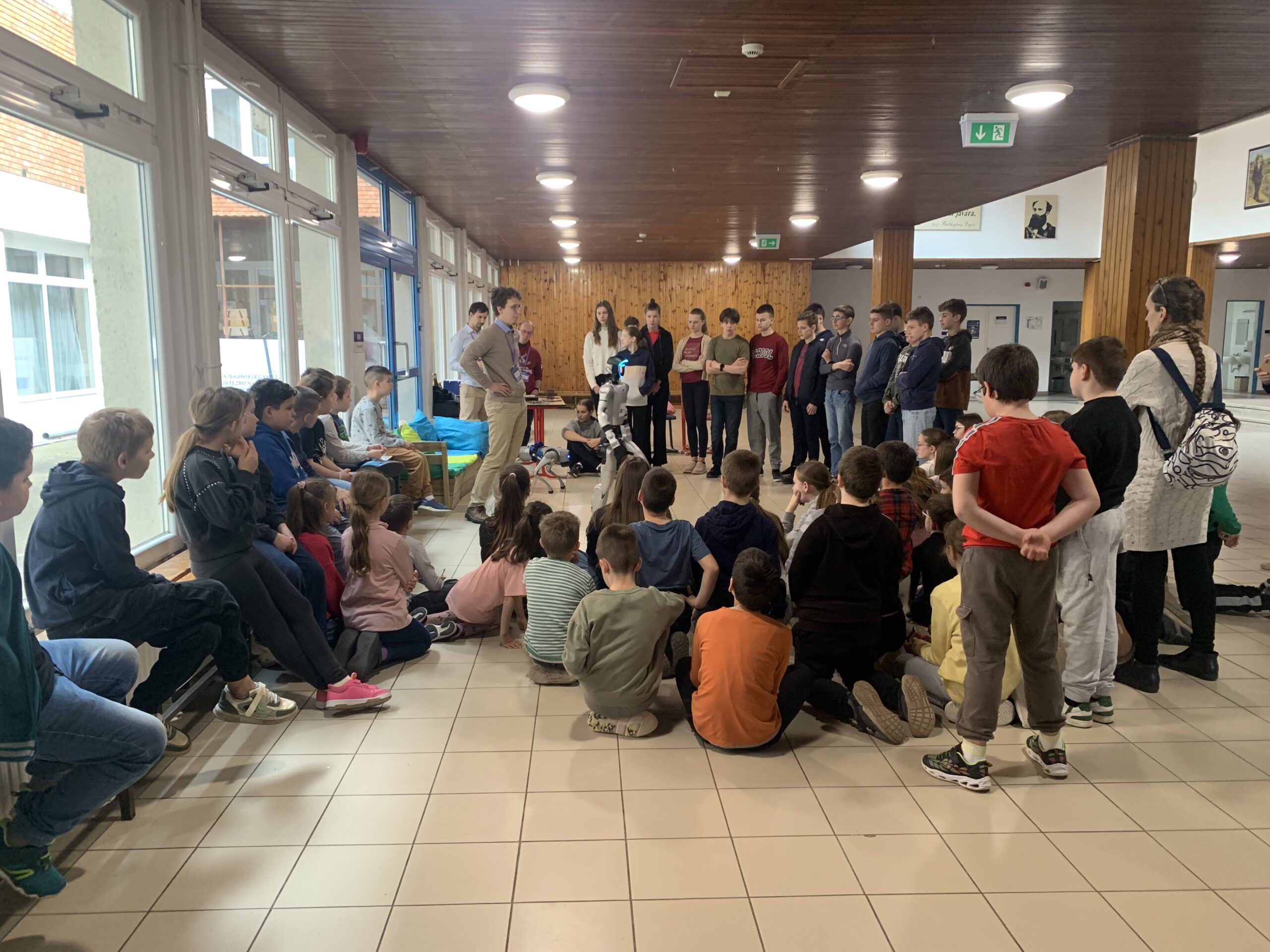
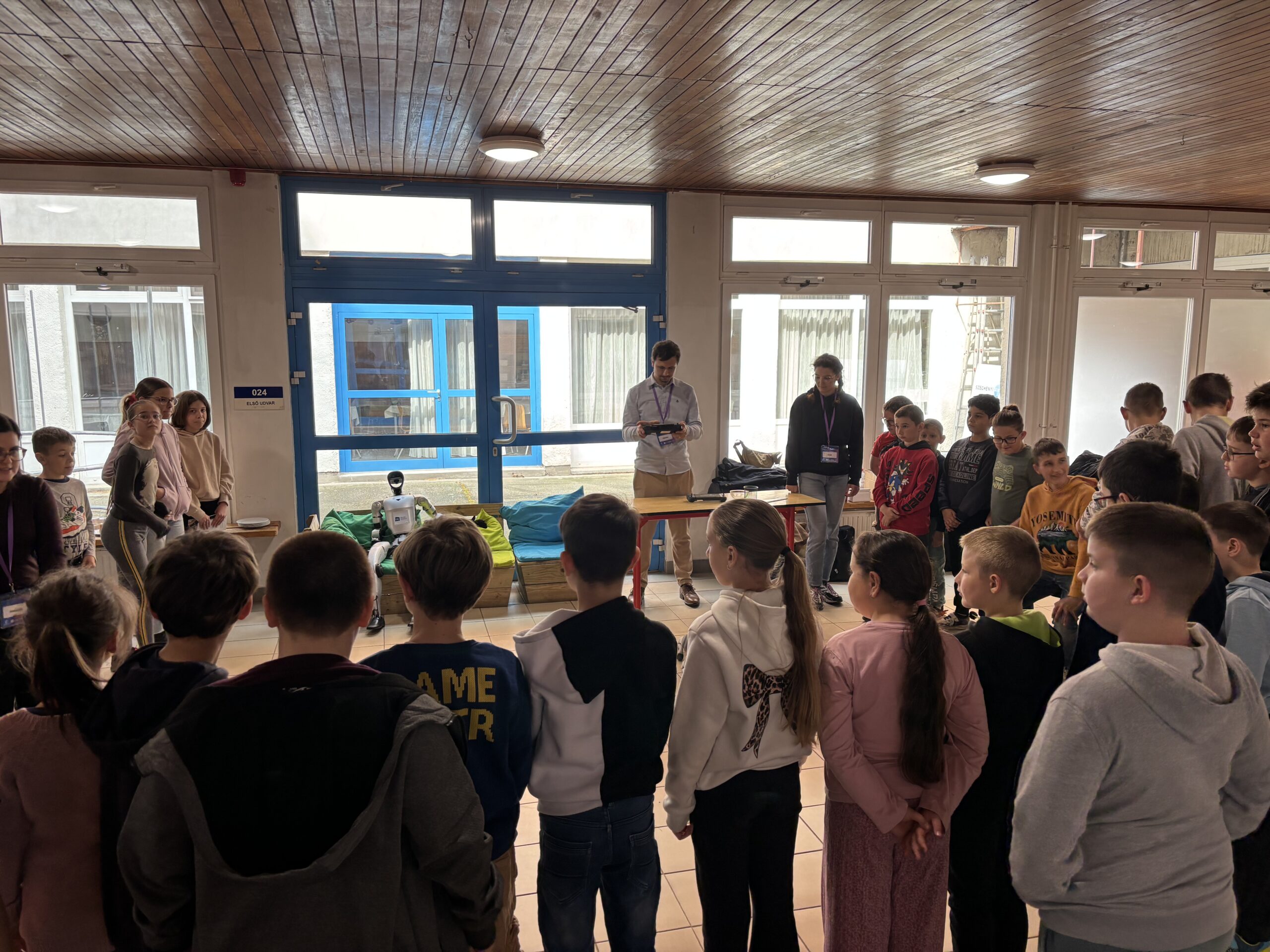
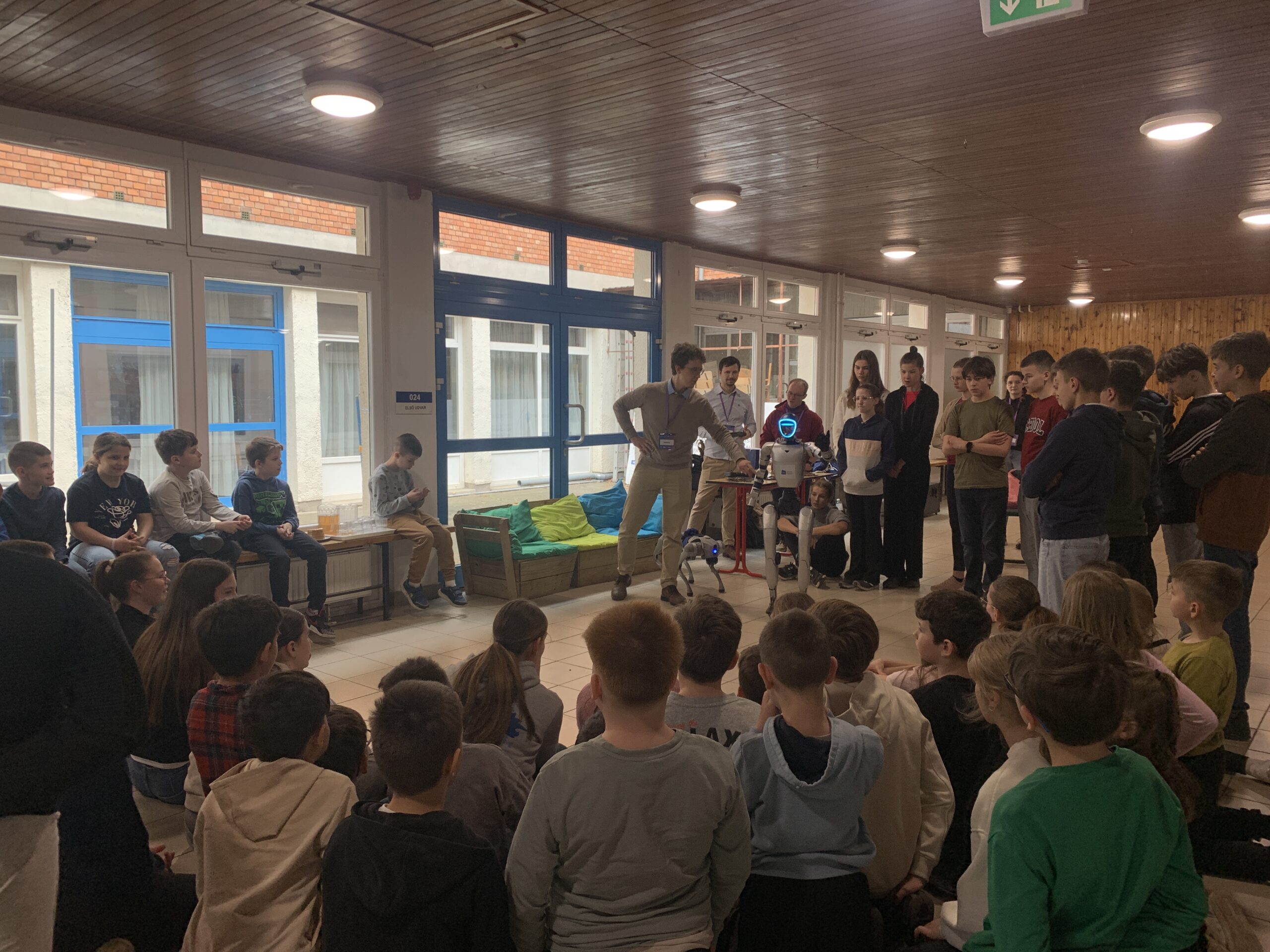
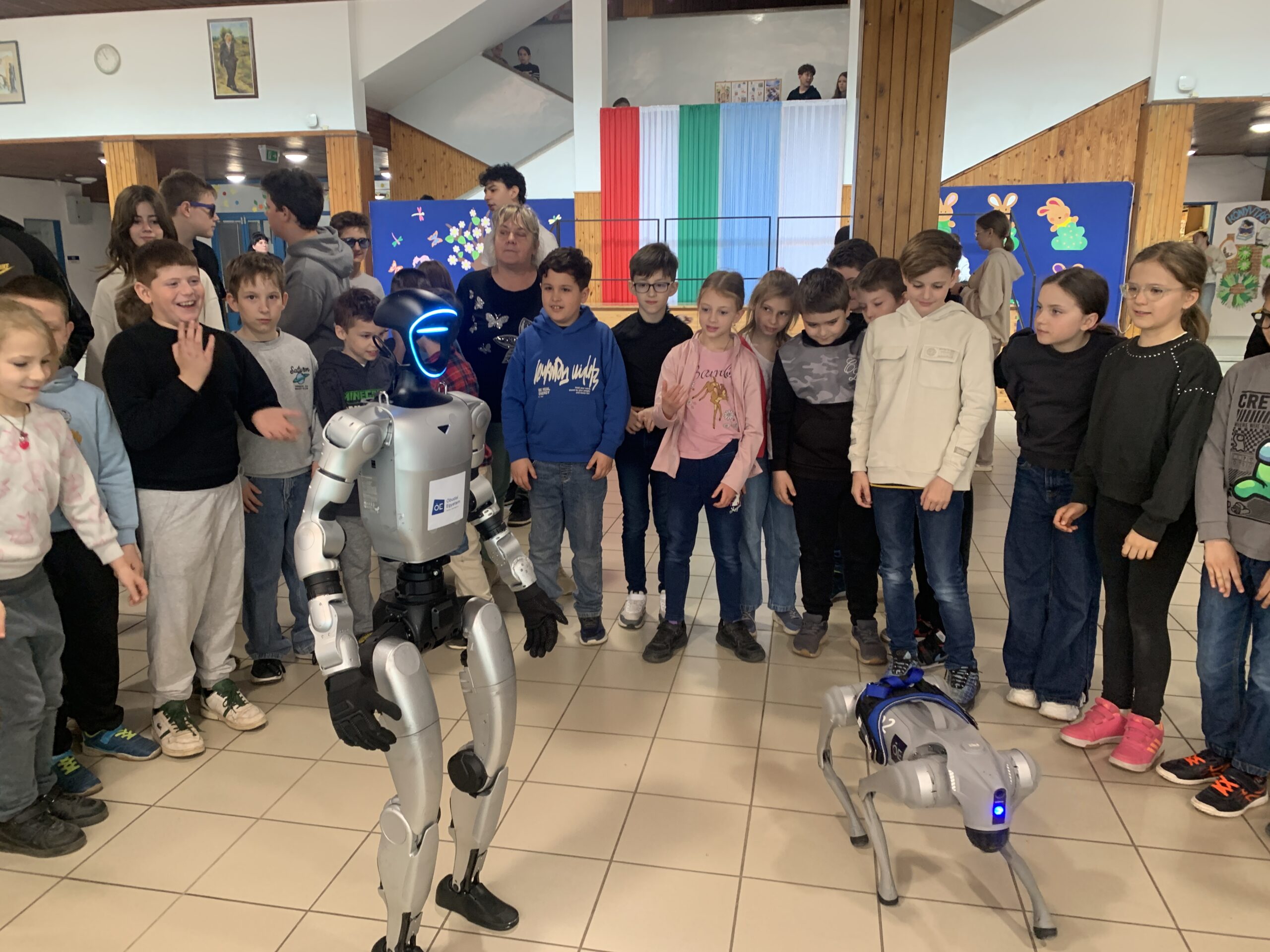
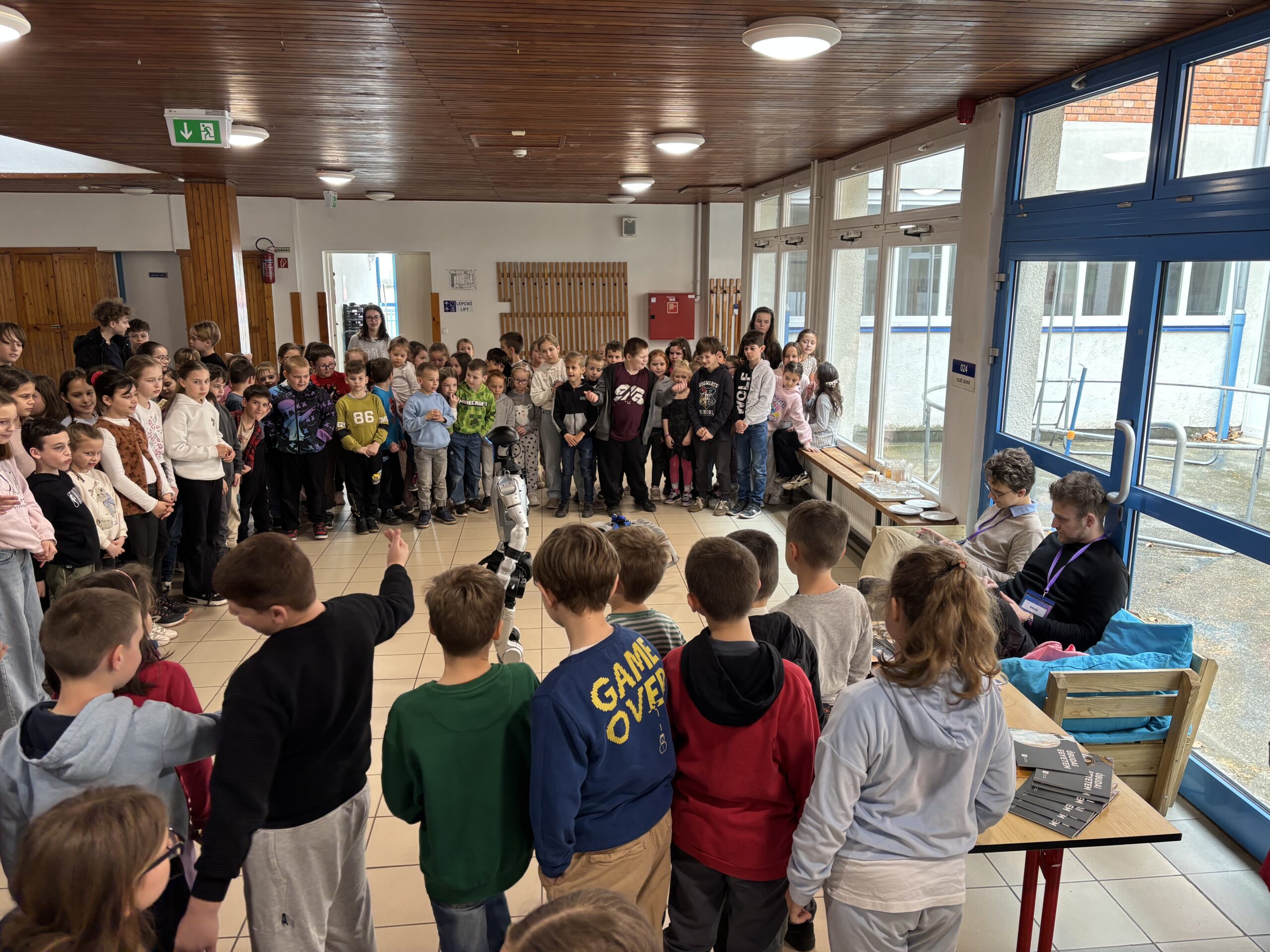
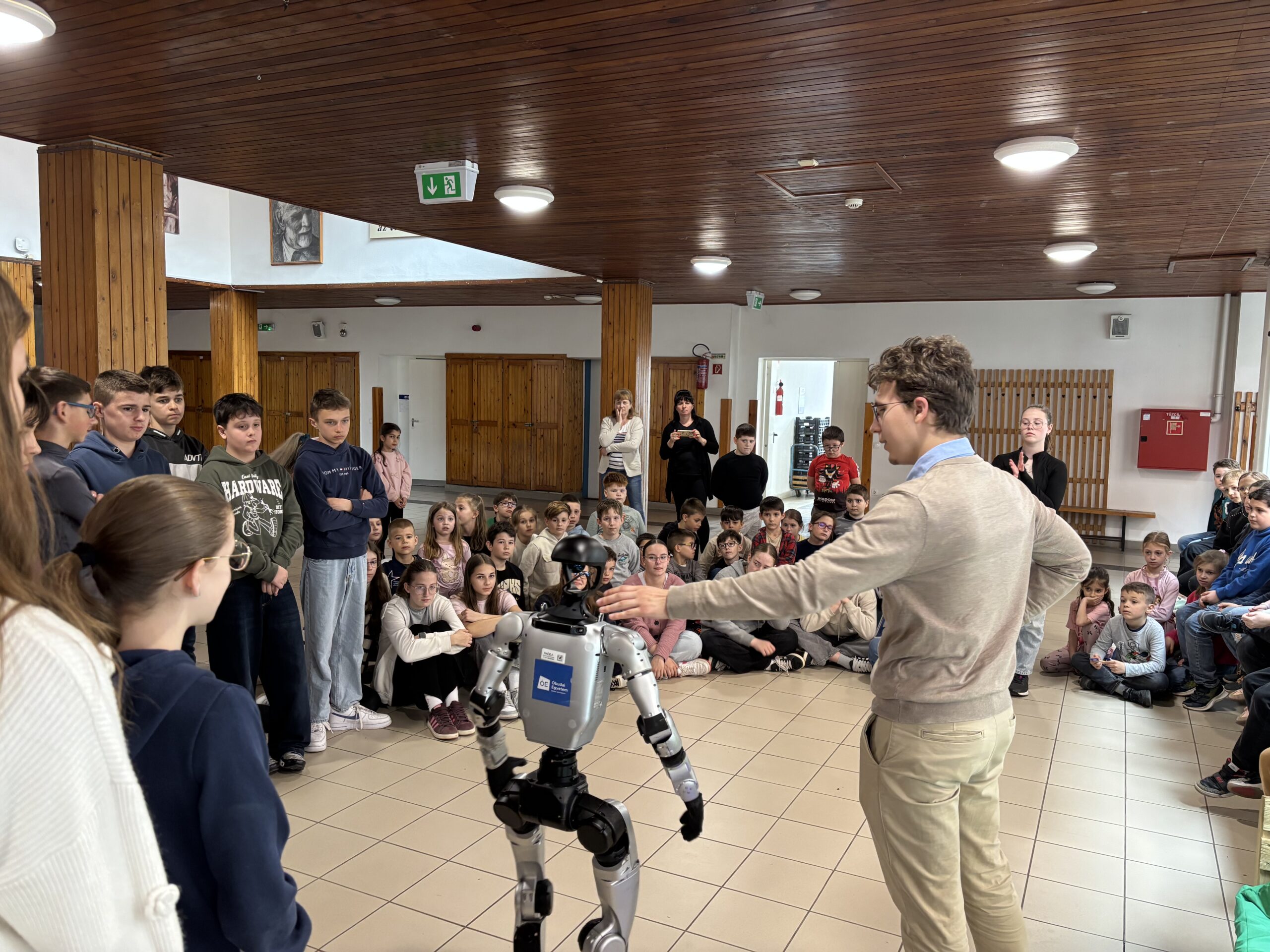
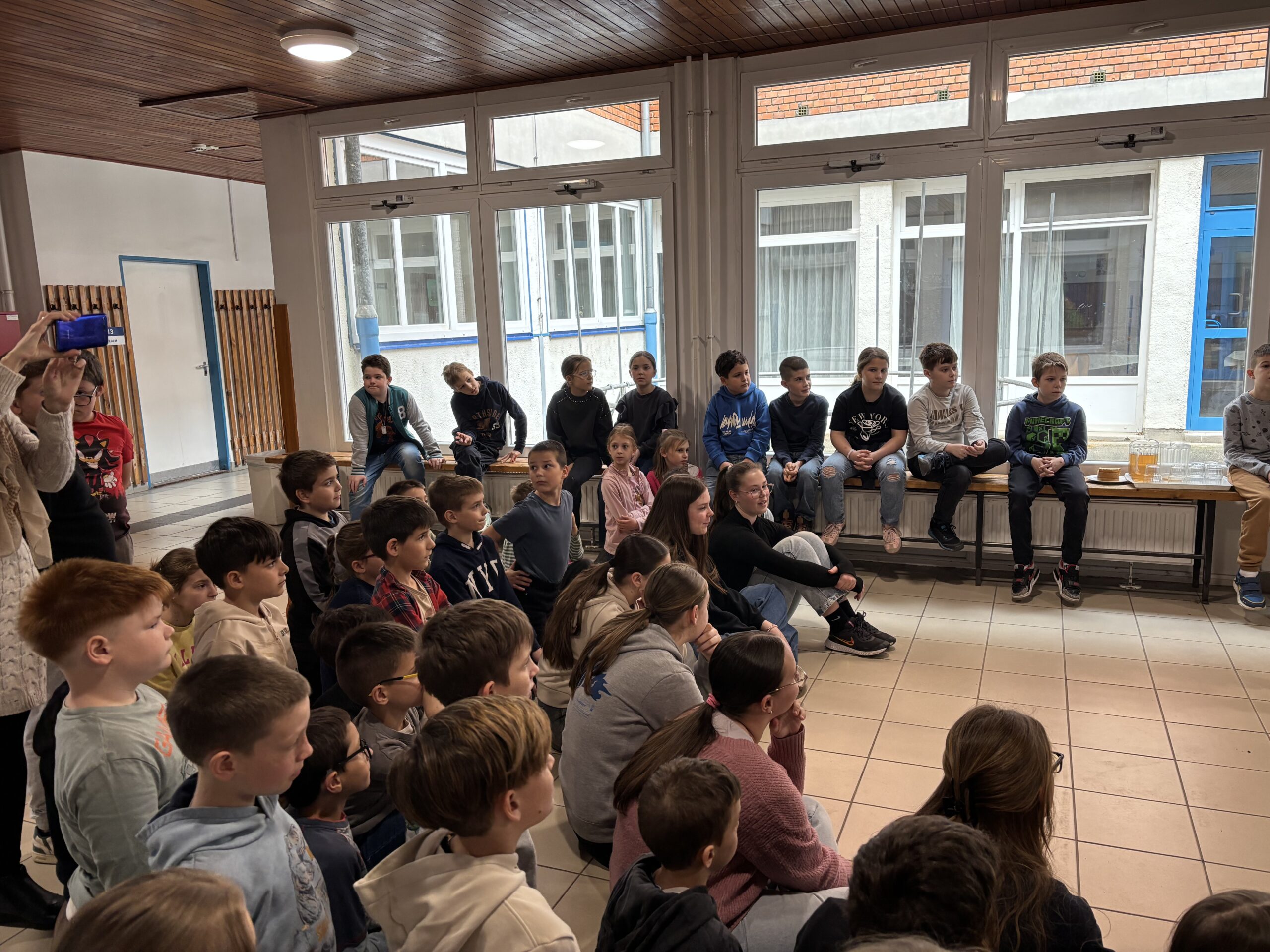
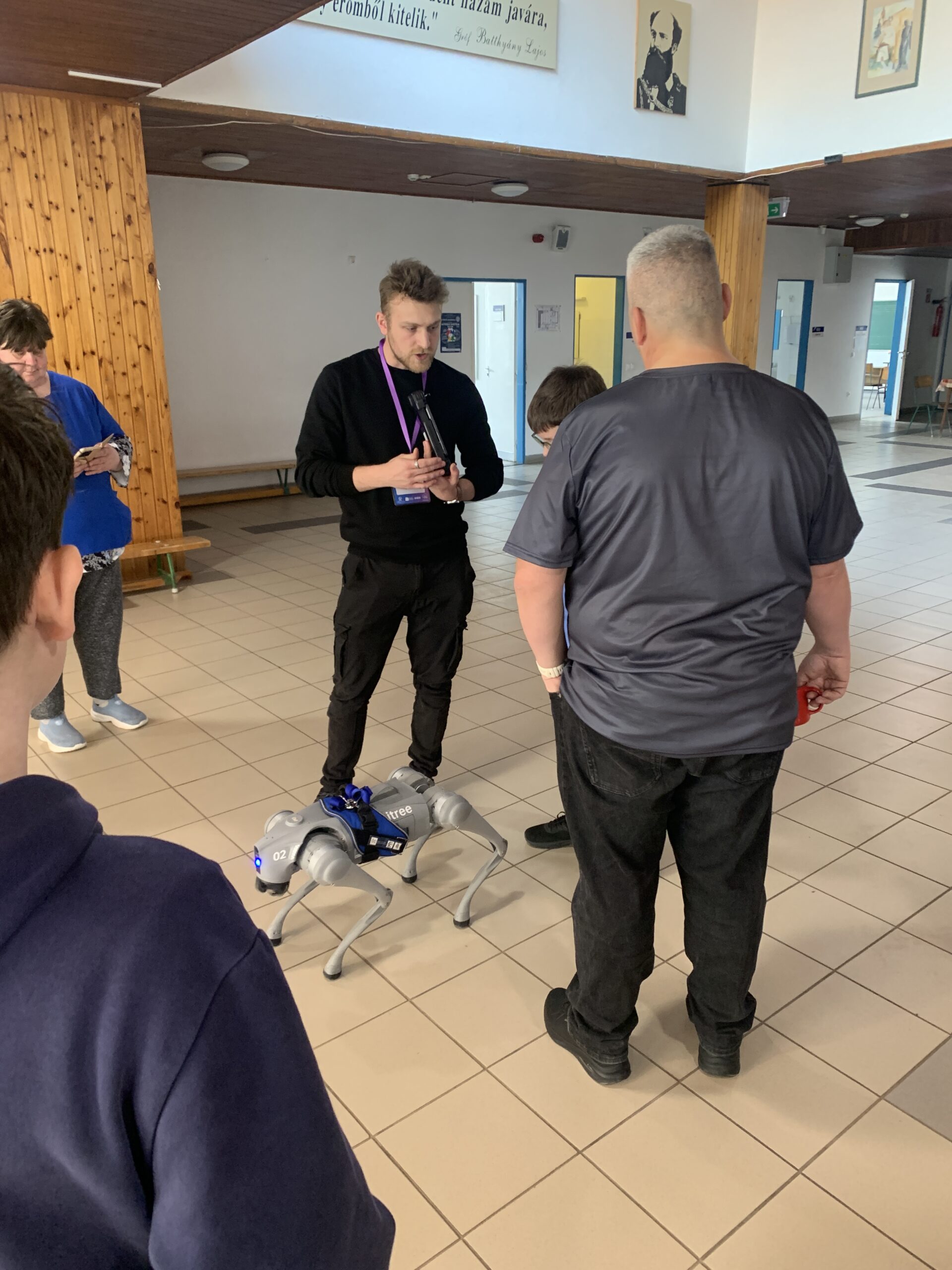
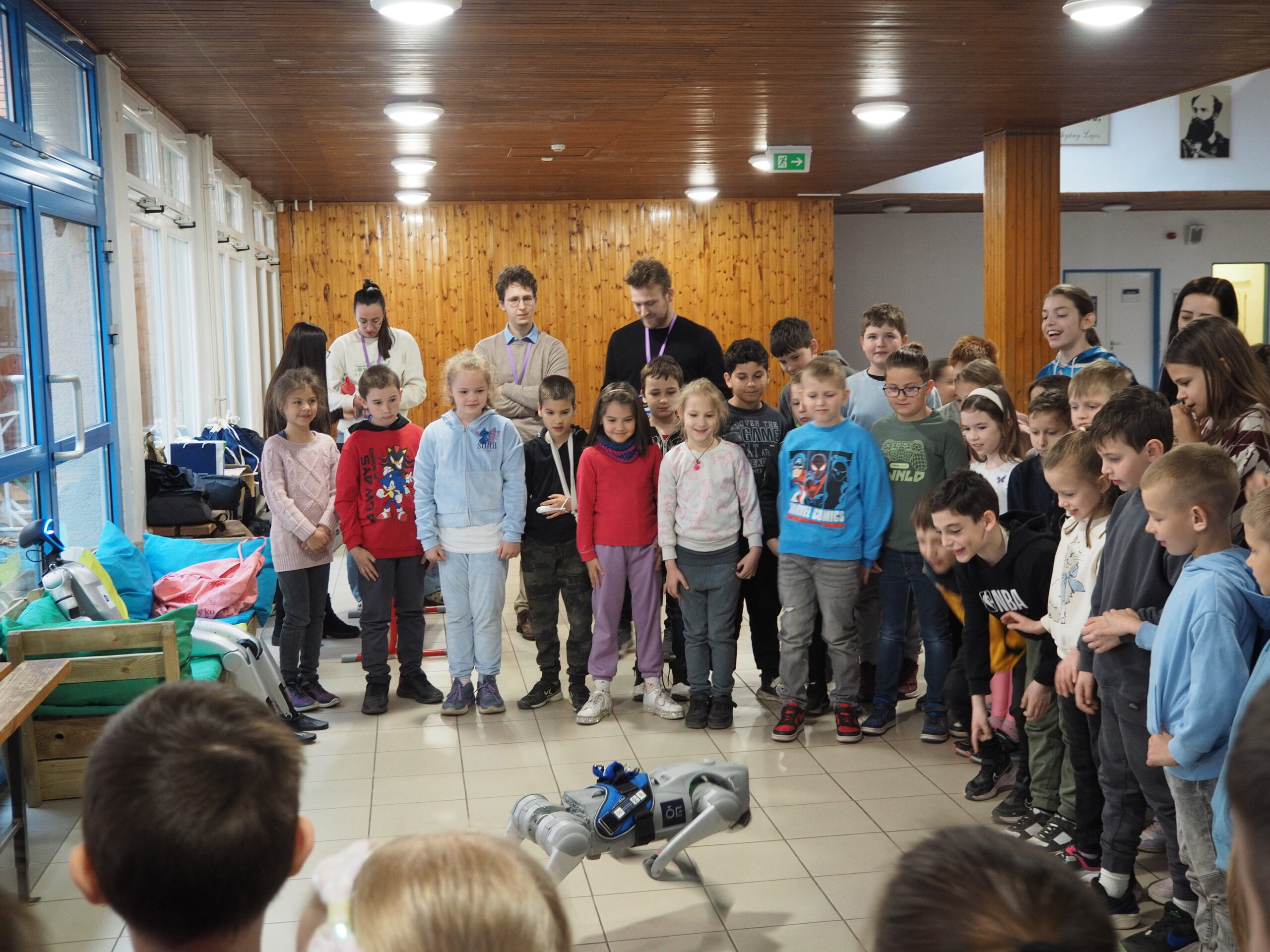
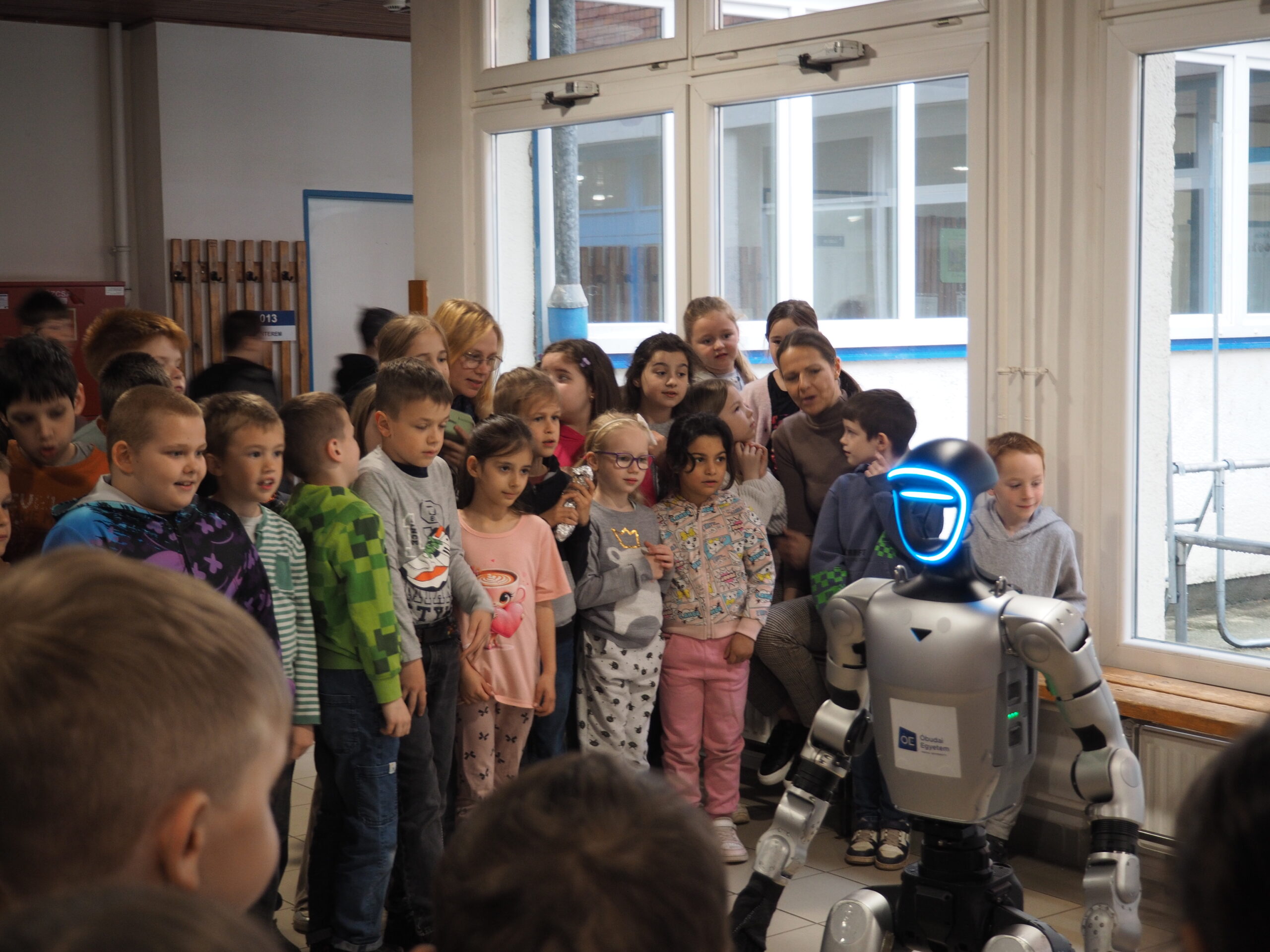
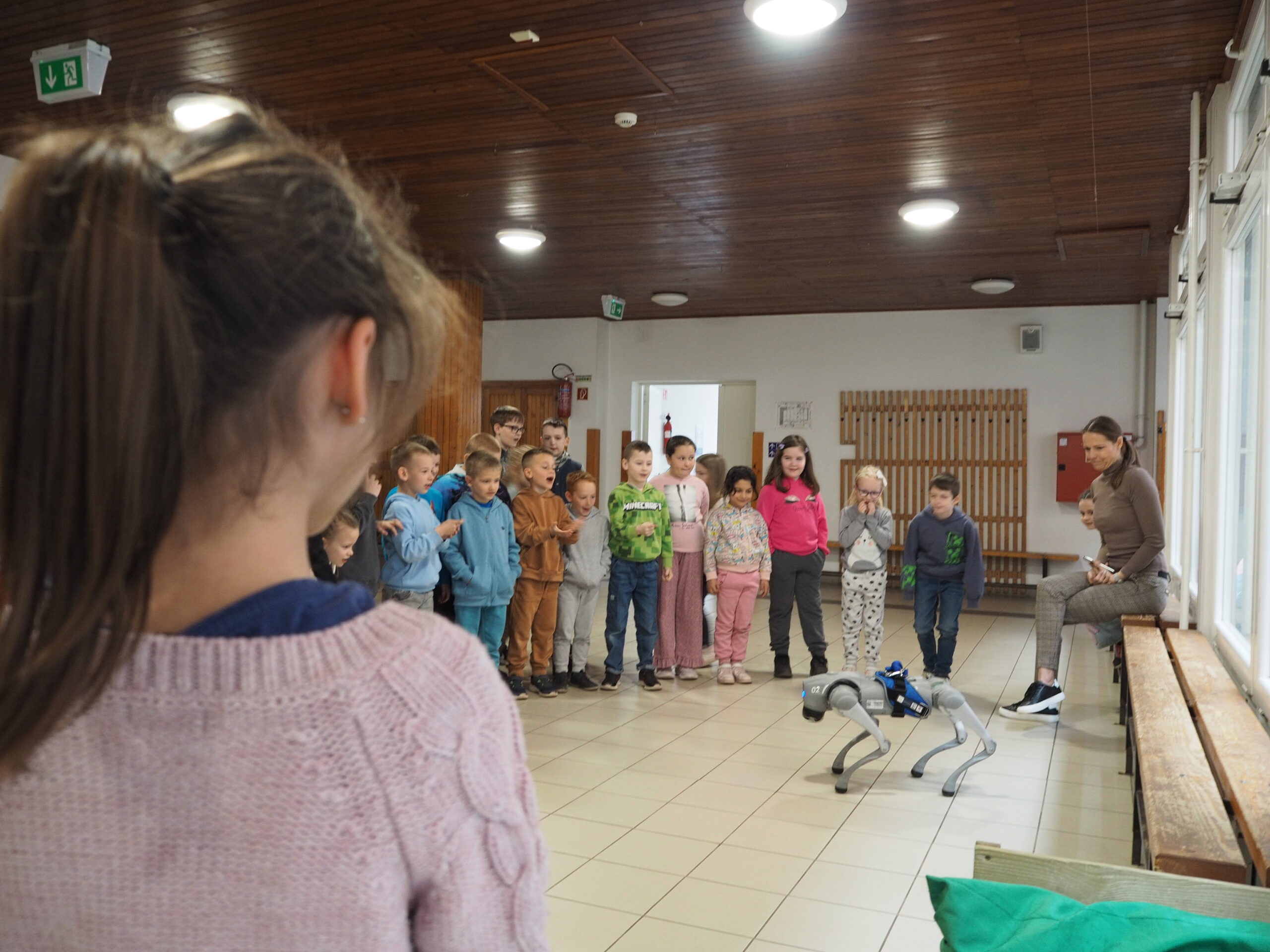
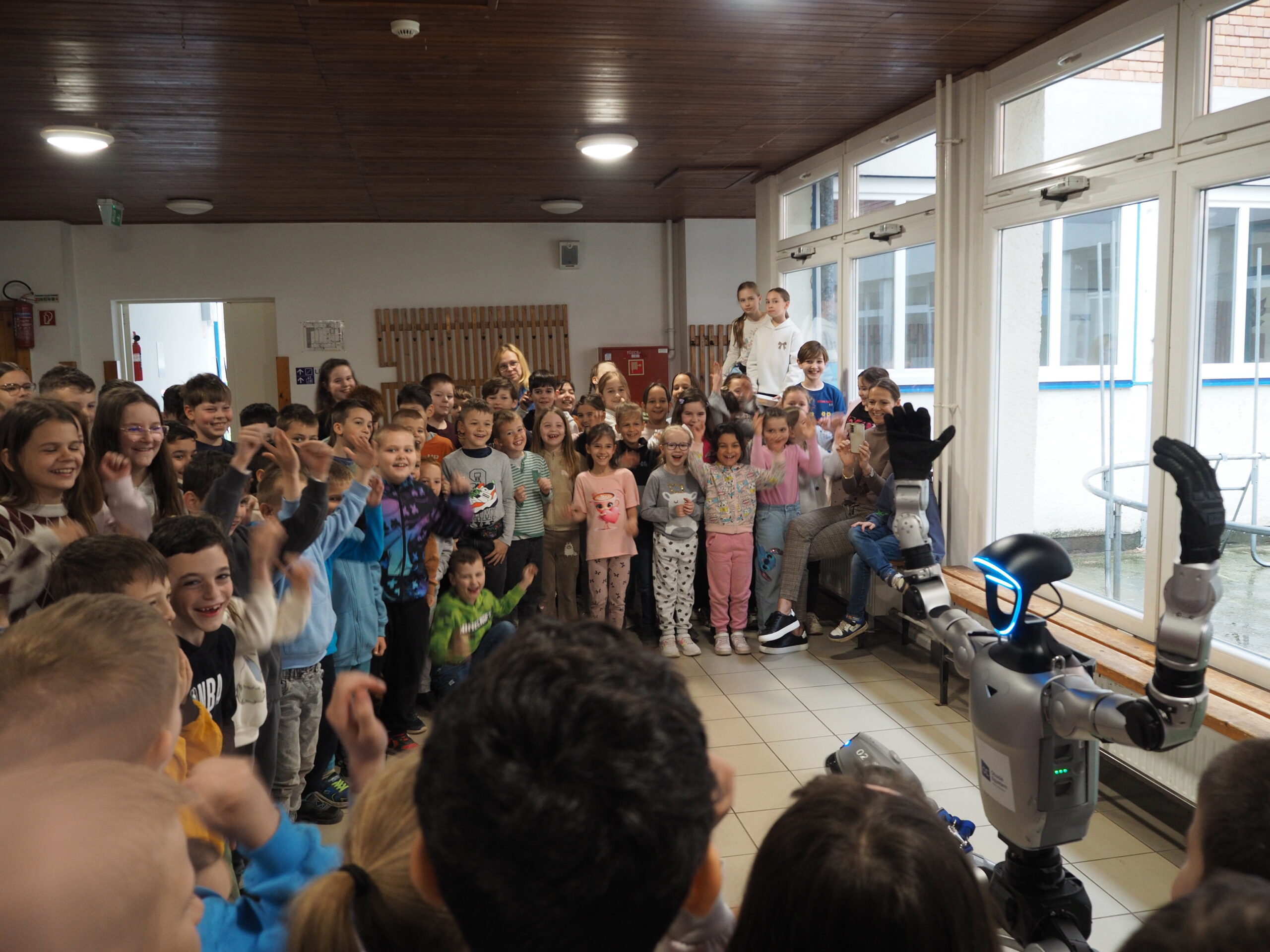
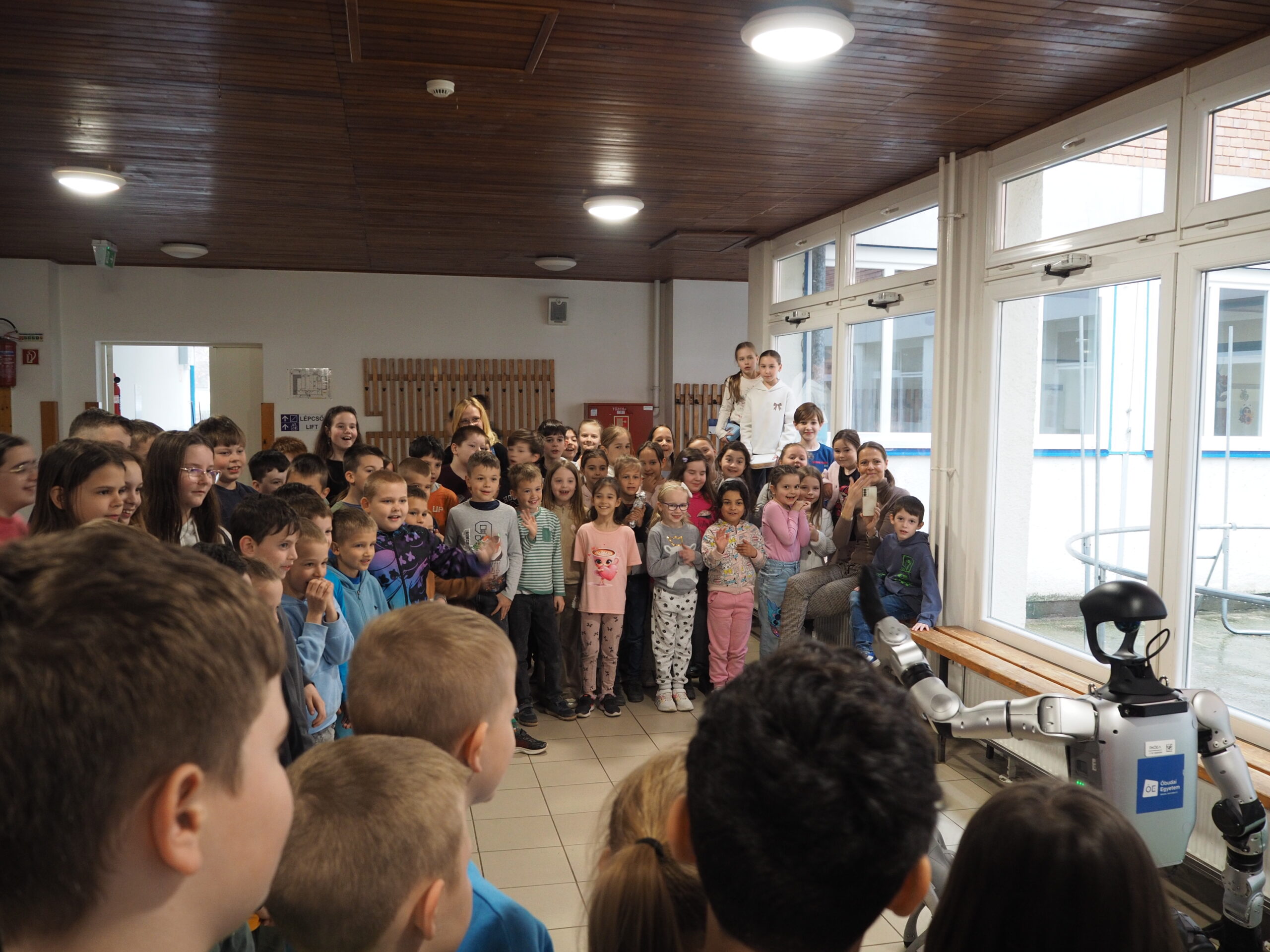
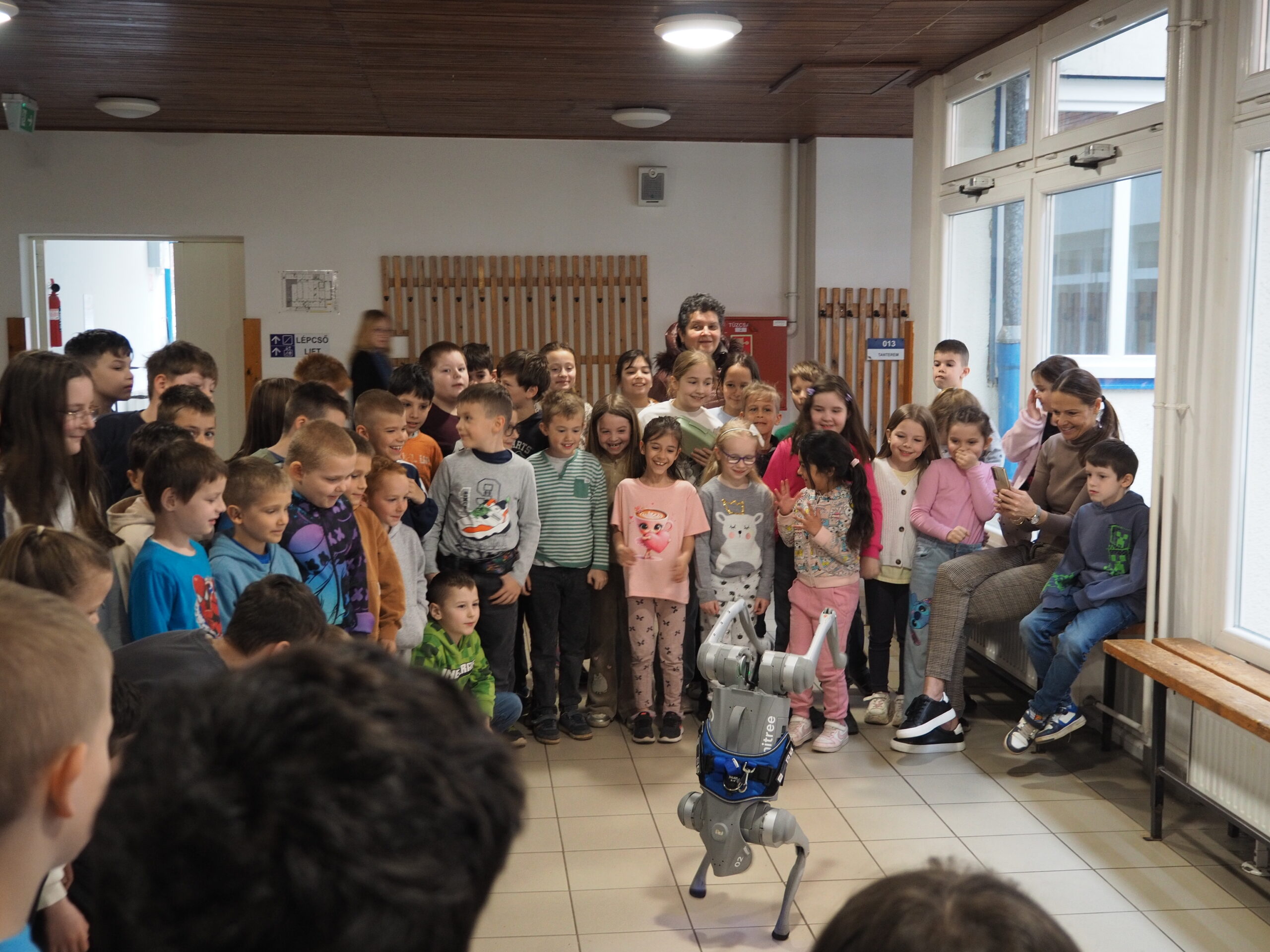
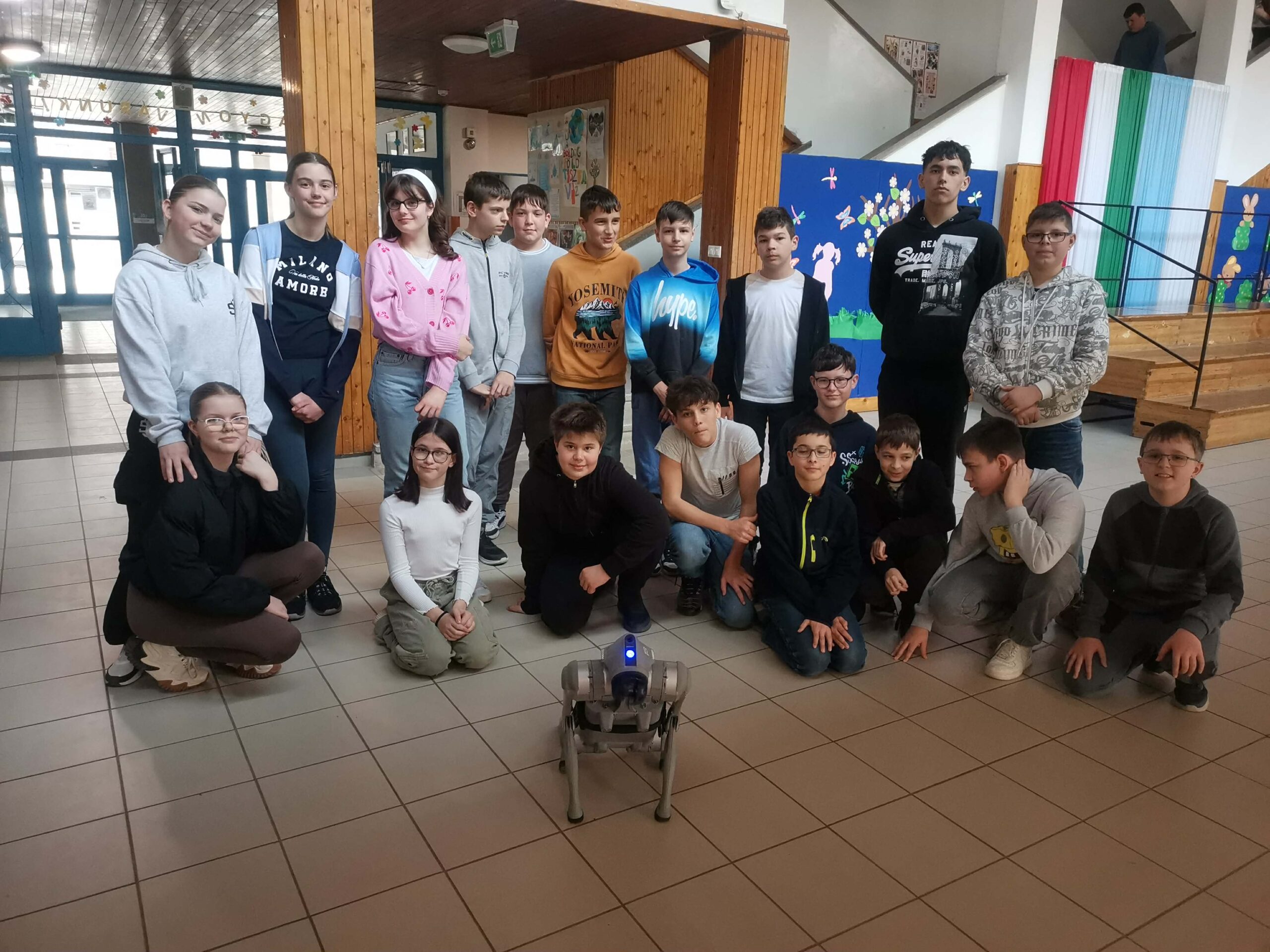
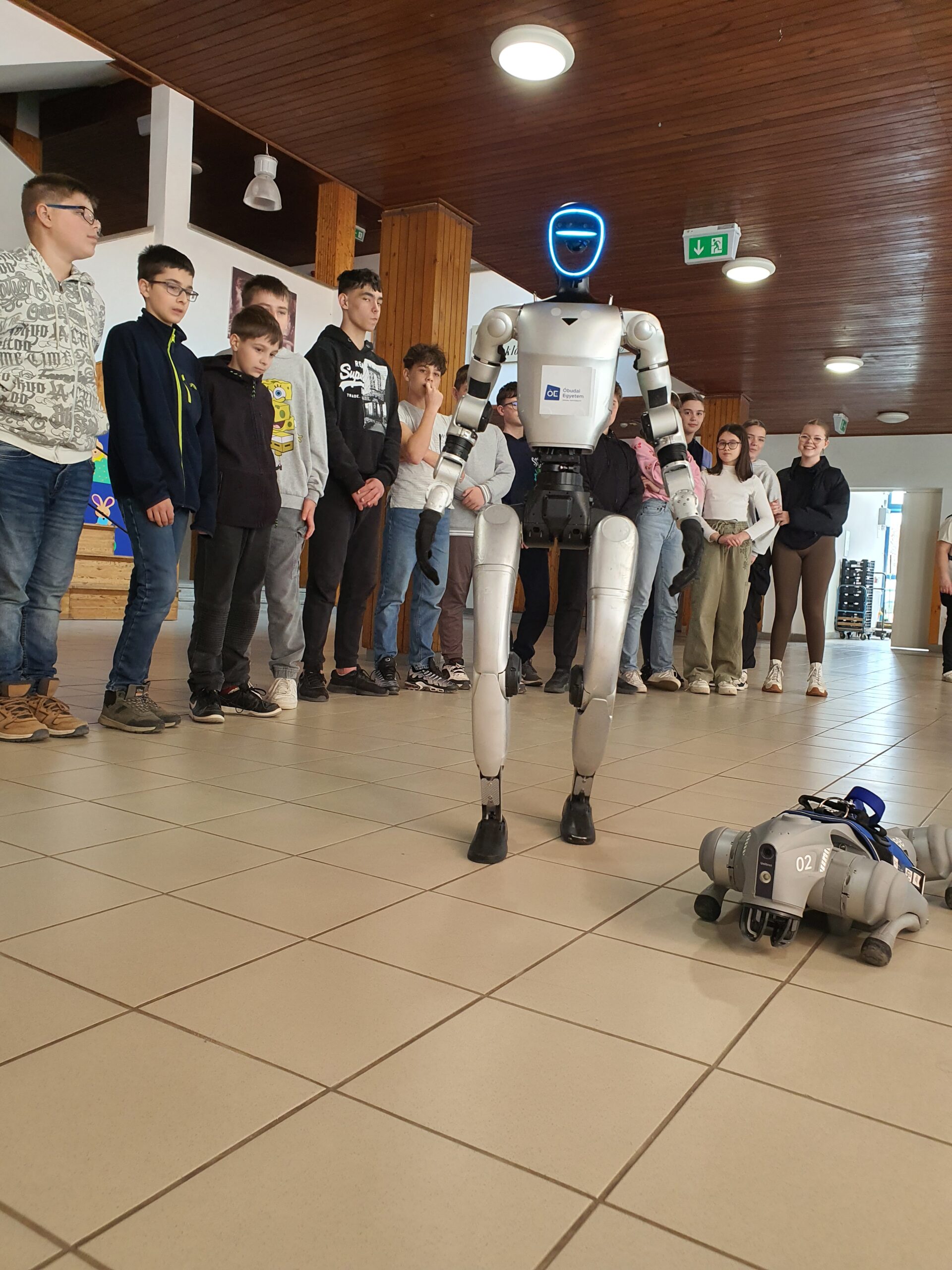
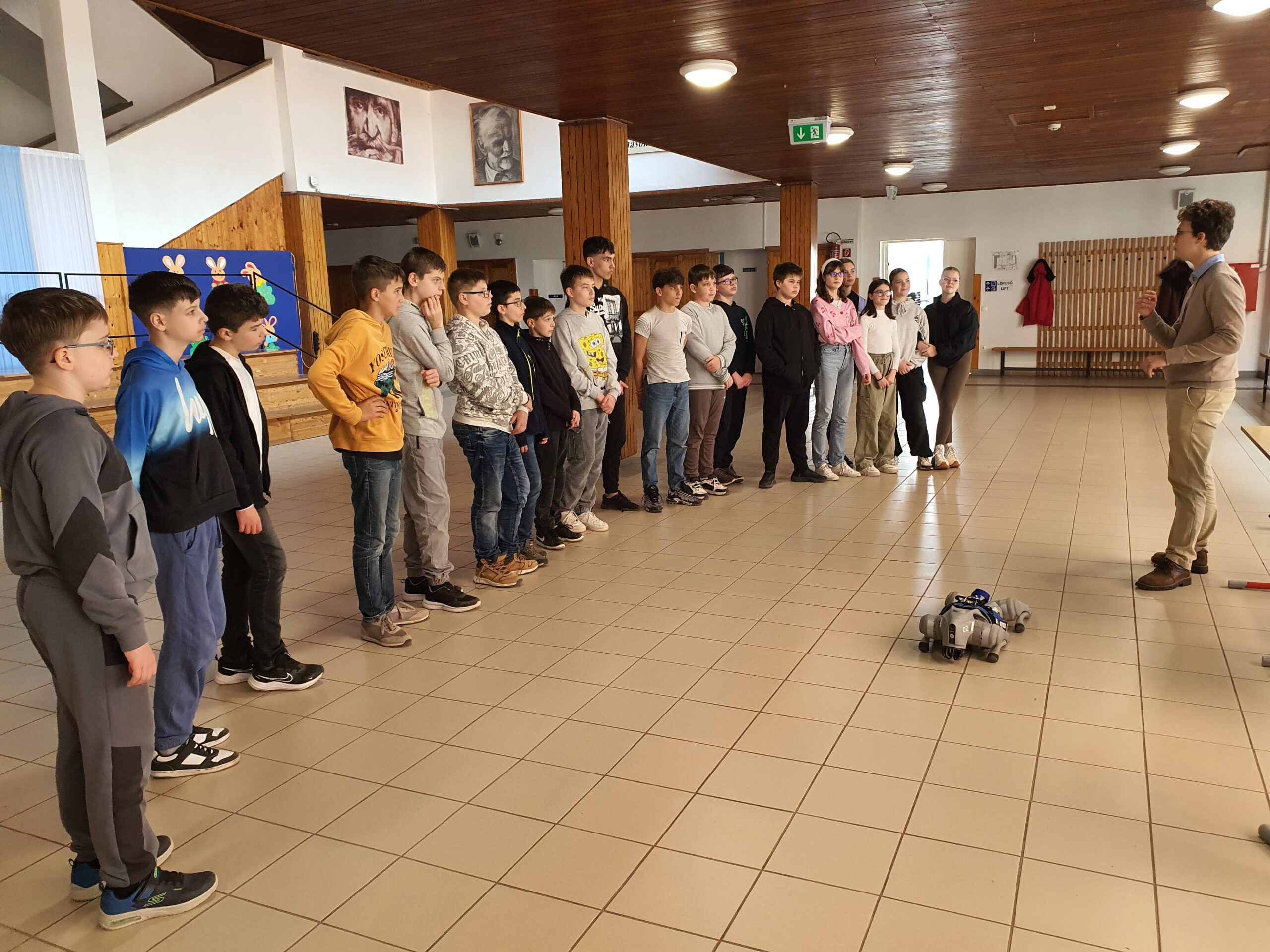
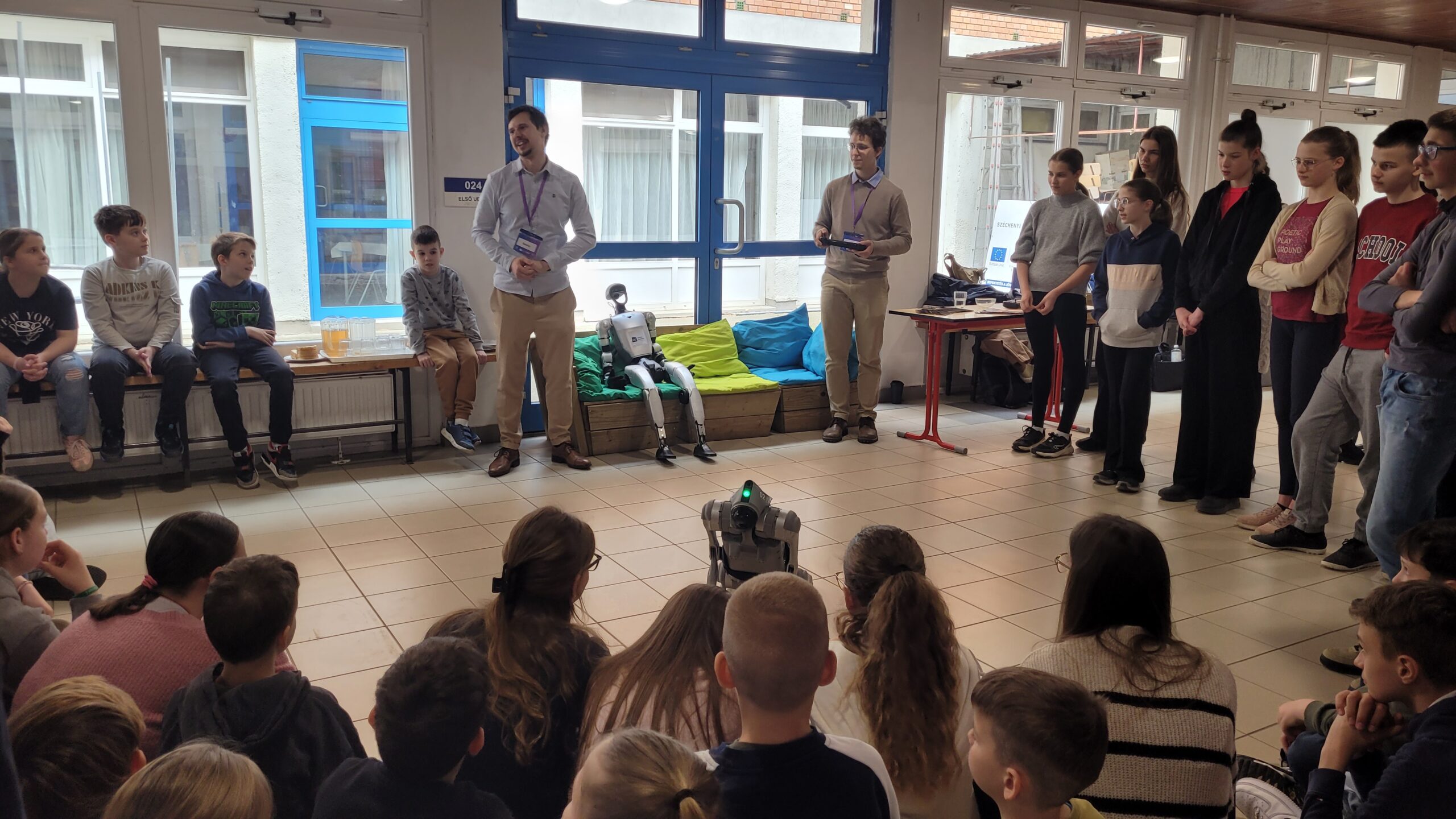
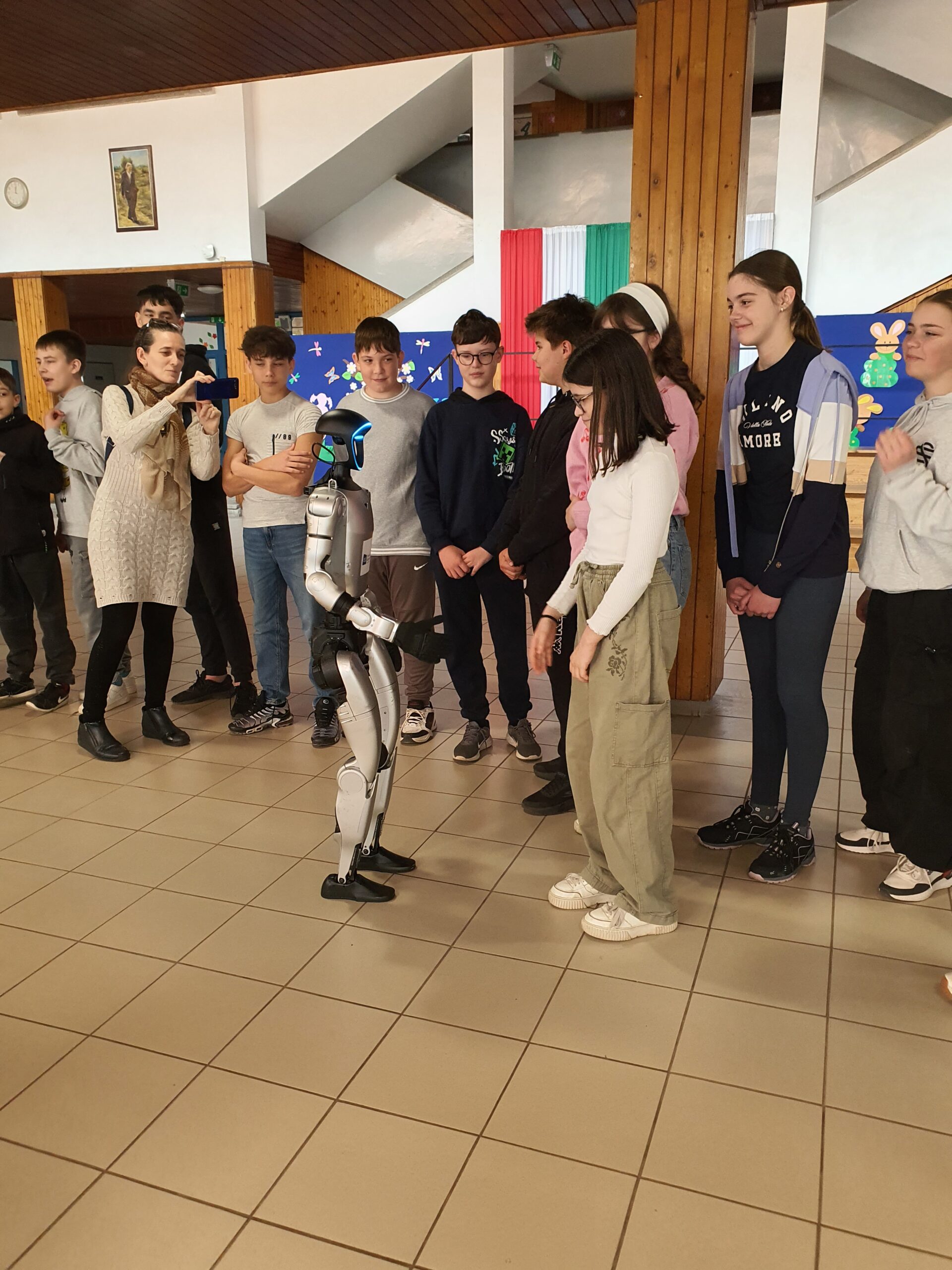
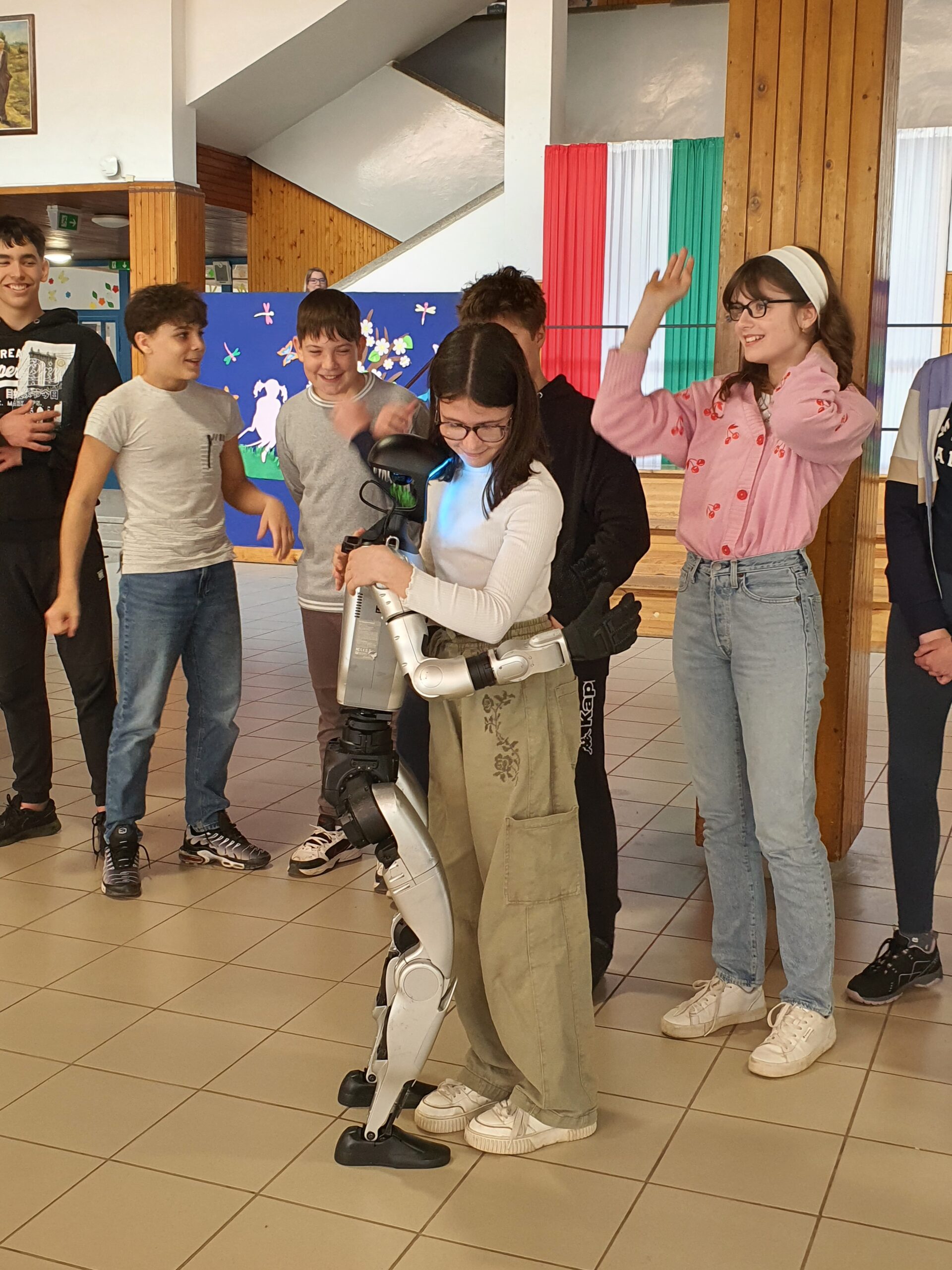
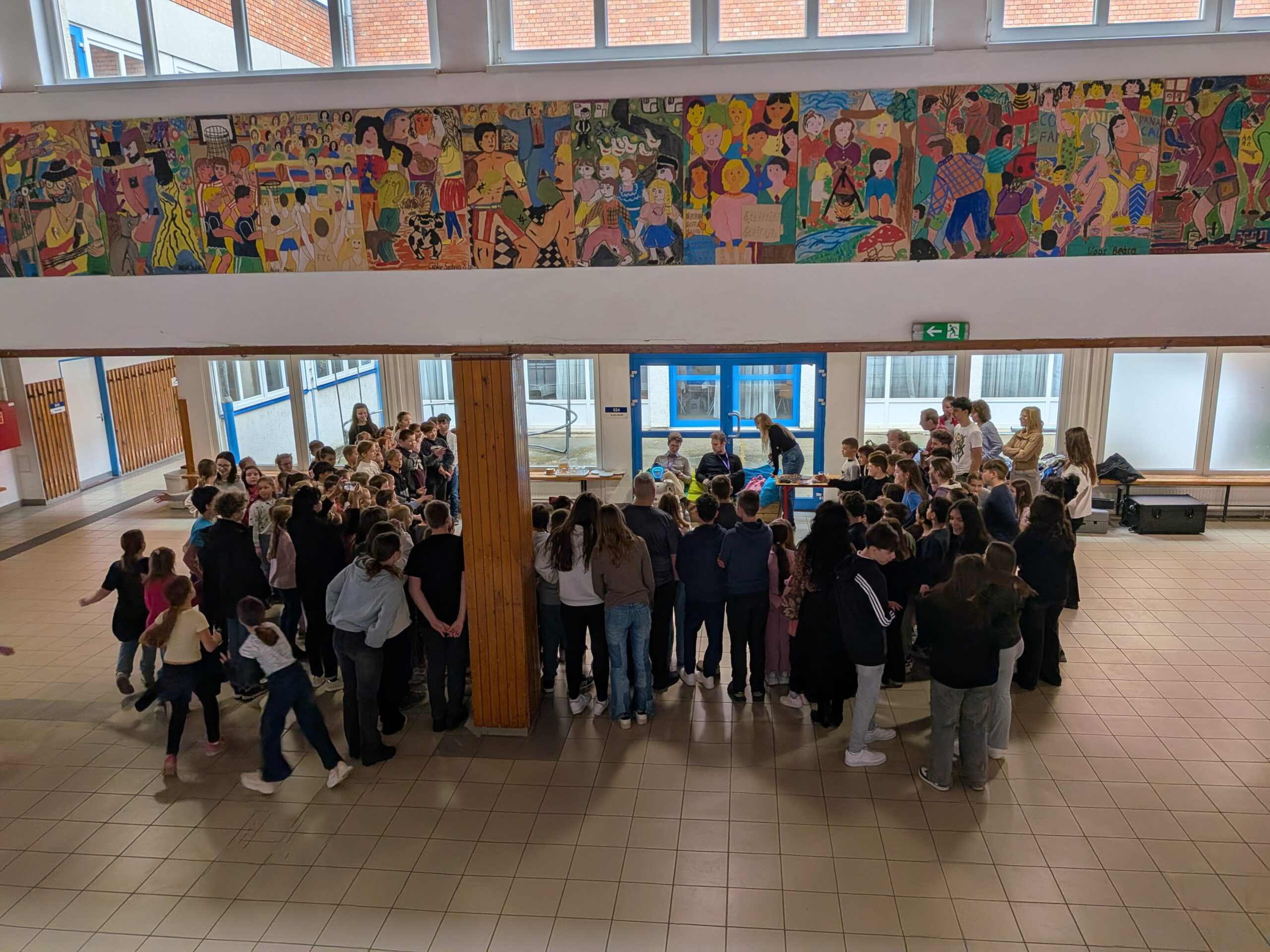
In parallel with the classroom presentations, robotics demonstrations took place in the school’s lobby, open to all students. They had the opportunity to experience two industrial-grade robots at close range: a robot dog and a humanoid robot. It was a joy to see the enthusiasm with which even the youngest students welcomed the robots.
Throughout the program, we conducted pre- and post-session surveys to see whether students viewed AI more as a “tool” or a “trap.” The results highlighted that by the end of the day, participants had adopted a much more conscious and cautious user perspective.
The “AI in Your Hands” program proved that alongside technological progress, fostering a mindful digital mindset is just as important, even at the primary school level.
Organizers and Contributors:
The success of the program was the result of a collaborative effort by PhD candidates and students from Obuda University, who worked together from the early preparations to the final implementation.
The team responsible for organization, presentations, robotics demonstrations, and implementation:
- Melánia Pamuki-Puskás (Chair, IEEE HS WIE AG; Researcher, OU-EKIK Physiological Controls Research Center)
- Panna Zsoldos (Director, OU-RRT; R&D associate, OU-EKIK Antal Bejczy Center for Intelligent Robotics (BARK); Secretary, IEEE HS WIE AG)
- Tamás Piricz (Chair, OE-RRT; Department Engineer, OU-EKIK Antal Bejczy Center for Intelligent Robotics (BARK))
- Borbála Gergics (Membership Development Officer, IEEE HS; Researcher, OU-EKIK Physiological Controls Research Center)
- András Makány (R&D associate, OU-EKIK Antal Bejczy Center for Intelligent Robotics (BARK))
- Dániel Horti (R&D associate, OU-EKIK Antal Bejczy Center for Intelligent Robotics (BARK))
- Zsófi Meisinger (Vice President, John von Neumann College for Advanced Studies (NJSZK))
- Dávid Baráz (Staff Member, Obuda University Nonprofit Kft.)
Additional support in preparations:
- Lilla Kisbenedek (Vice Chair, IEEE HS WIE AG; Researcher, OU-EKIK Physiological Controls Research Center)
- Martin Ferenc Dömény (Treasurer, IEEE HS WIE AG; Researcher, OU-EKIK Physiological Controls Research Center, Board member for Scientific Student Association Conference, John von Neumann College for Advanced Studies (NJSZK))
We would like to thank every member of the team for their persistent hard work, especially for their help with logistics and the coordination of more than 200 students. Our gratitude goes to the school in Kiskunfélegyháza for providing such a welcoming and supportive environment. Special thanks to Barbara Szederkényi (teacher of Mathematics and Informatics at the Batthyány Lajos Primary School in Kiskunfélegyháza) for the invitation, the outreach, and her excellent coordination within the school.
The program was implemented by the IEEE Hungary Section Women in Engineering (WIE) Affinity Group and the Obuda University Robotics Research Team (OU-RRT).